Toddler Hiking Shoes Built for Endless Adventures
Nothing ends a family hike faster than a toddler in the wrong shoes. One blister, one soggy sock, one slip on a wet rock — and the whole outing turns into a carry-everything back to the car situation. After years of hiking with my kids, I’ve learned that toddler hiking shoes aren’t really about “hiking” at all. They’re about keeping tiny feet dry, grippy, and comfortable enough that your little one actually wants to keep walking.
I’ve tested a lot of small boots and trail shoes on real trails with my own toddlers, in mud season, snow season, and everything in between. Below is everything I wish someone had told me before I bought our first pair: how to choose the right shoe, how to save money, how to keep them going season after season, and the four pairs that have earned a permanent spot in our gear closet.
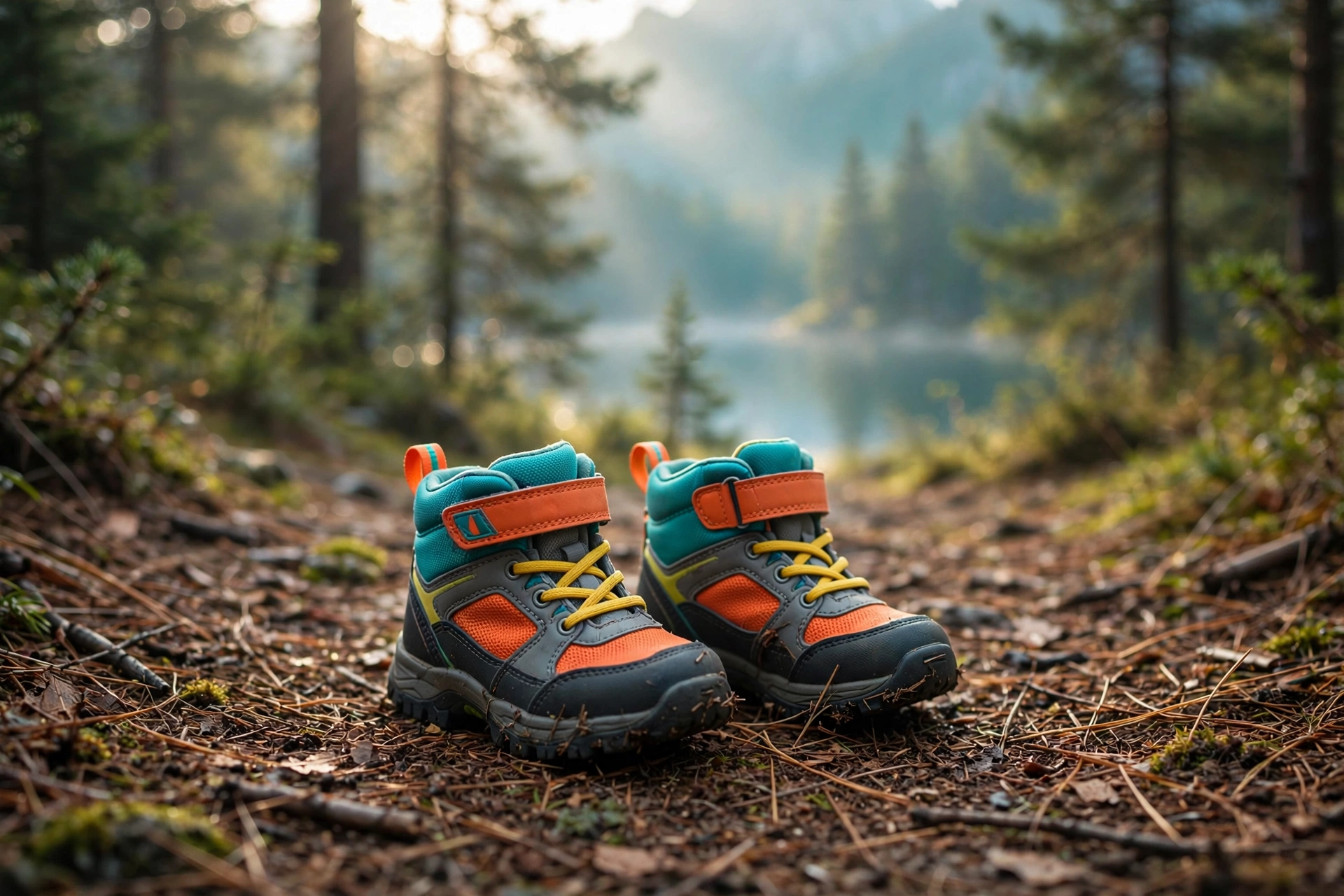
How to Choose Toddler Hiking Shoes: 2026 Buying Guide
Toddlers grow fast — roughly two shoe sizes a year between ages 2 and 4 — so the goal is a shoe that fits now, survives the season, and hands down in decent shape. Focus on fit first, grip second, and everything else third.
Prioritize Comfort and Fit for Growing Feet
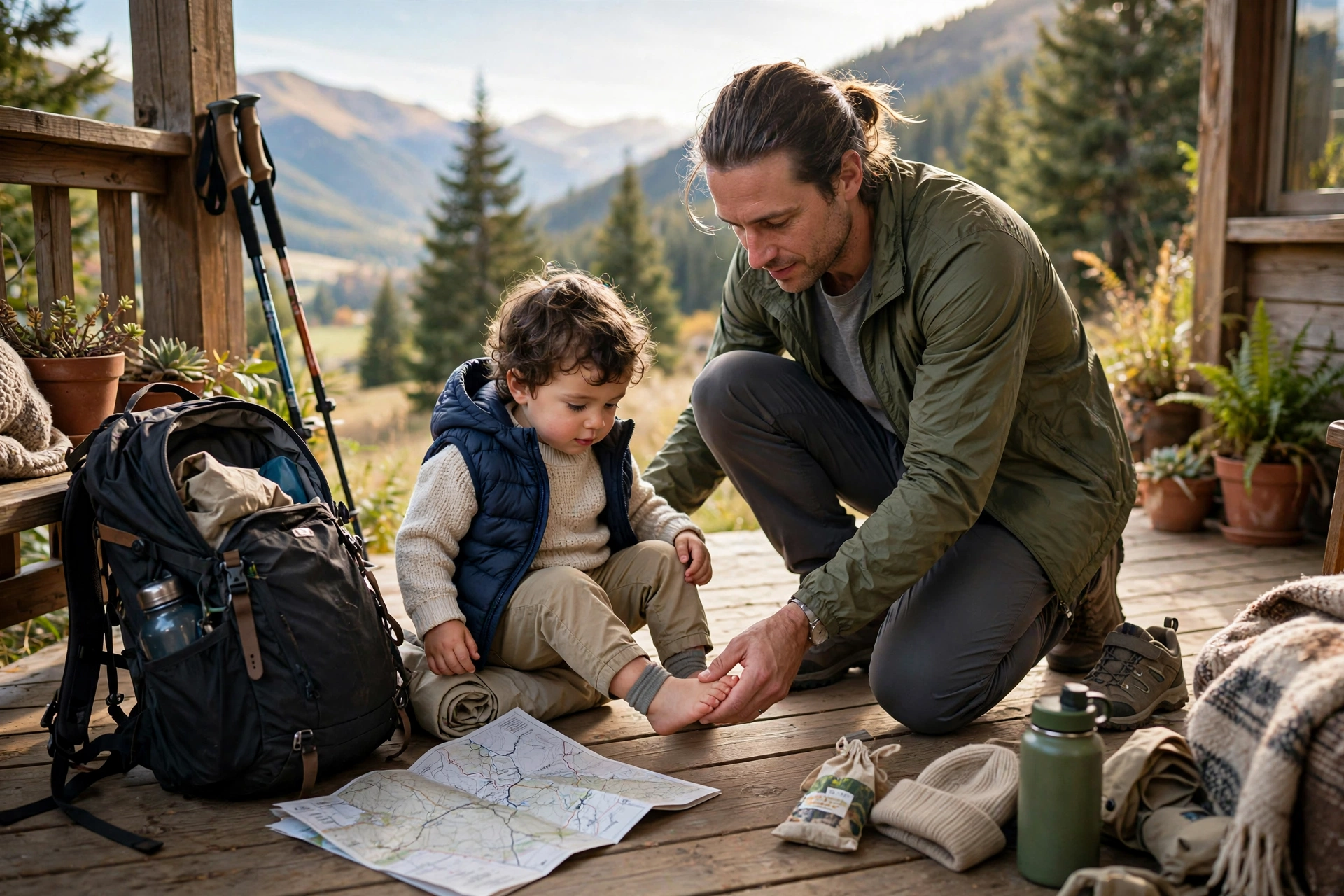
Little feet are still developing, so look for shoes with a wide toe box, flexible sole, and light cushioning rather than stiff, heavy boots. There should be about a thumb’s width (roughly half an inch) of space between your toddler’s longest toe and the front of the shoe — enough room for growth and thick hiking socks, but not so much that the heel slips.
Fastenings matter more than you’d think. Hook-and-loop straps or bungee laces let toddlers practice putting shoes on themselves, and they stay tight on the trail without constant retying. If you can, have your child try shoes on in the afternoon, when feet are slightly bigger, and walk around the store for a few minutes.
Ensure Traction and Durability for Safe Adventures
Trails are uneven, rooty, and often slippery — exactly the kind of terrain where a smooth sneaker sole fails. Look for lugged rubber outsoles with a visible tread pattern. A protective toe cap (rubber bumpers work well) saves little toes from rocks and roots, and it’s usually the first part of a toddler shoe to wear through.
Durability is a balancing act: kids outgrow shoes before they wear them out, so buy from reputable brands but don’t chase premium materials for a two-year-old. A mid-range pair from a trusted outdoor brand will typically last one full season of regular hiking — plenty.
Choose the Right Materials for Every Season
Match the shoe to the conditions you’ll actually hike in. For warm-weather hikes, breathable mesh keeps feet cool and dries fast after puddle encounters. For spring and fall — mud season — water-resistant uppers are worth it. For winter, look for insulated, waterproof boots with an adjustable snow guard so powder doesn’t sneak in at the ankle. For a deeper dive on keeping little feet warm, see my guide on how to keep kids warm while camping, which covers the layering system I use head to toe.
Do Toddlers Really Need Hiking Shoes — or Will Sneakers Do?
Honest answer: for most easy, dry trails, a pair of well-fitting sneakers is perfectly fine. They’re light, already broken in, and much less likely to cause blisters. We often hike in sneakers on flat, familiar paths.
Hiking-specific shoes earn their keep when the trail gets tricky: muddy sections, stream crossings, rocky descents, or winter conditions. The upgrade in grip and toe protection is real. My rule of thumb: sneakers for playground-adjacent paths and neighborhood nature walks, real hiking shoes for actual trail mileage. When we try new boots, I always strap the old sneakers to the pack for the first hike — just in case.
How to Save Money on Toddler Hiking Shoes: 5 Tips
Toddlers outgrow shoes at a breathtaking pace, so there’s no point overspending. Here’s what actually works in our family.
1. Buy one pair per year, timed to your hiking season
I buy hiking boots at the start of our main hiking season so they get maximum use before feet grow. In our family that’s late spring — early-season snow trails need boots, and by midsummer we switch to hiking sandals for water-friendly hikes anyway. One well-timed pair per child per year is the sweet spot.
2. Buy used when you can
Kids’ hiking boots see limited use before being outgrown, so secondhand pairs are often in excellent shape. Check Facebook Marketplace, local outdoor gear exchanges, and neighborhood buy-nothing groups. Choose gender-neutral colors when possible so boots can hand down between siblings.
3. Match the shoe to the terrain — not the brand
You don’t need the most technical boot for a toddler. Lightweight, flexible shoes are better for easy trails; save the sturdy boots for rocky or steep terrain. Avoiding unnecessary upgrades is the easiest money-saver of all. Before you shop, run through my family camping checklist to make sure you’re not buying gear you already own.
4. Wait until they’re walking real mileage
If your little hiker is still mostly riding in a carrier, invest in good boots for yourself first and put the toddler in soft, flexible shoes. We splurged on our kids’ first real hiking boots around age four, when they were actually hiking full trail distances. For more on those early adventures, read camping with a newborn: 9 safety rules that matter.
5. Shop end-of-season sales
Outdoor retailers clear inventory in late summer and early fall. Buy a half-size up and store them for next season — a pair bought on clearance in September can be the best value in your gear closet. Just double-check sizing against your child’s projected growth (kids’ feet grow roughly a quarter size every two to three months).
Keeping Toddler Hiking Shoes in Good Condition
A little care after each hike is what makes a pair last the full season and hand down in shape worth passing on.
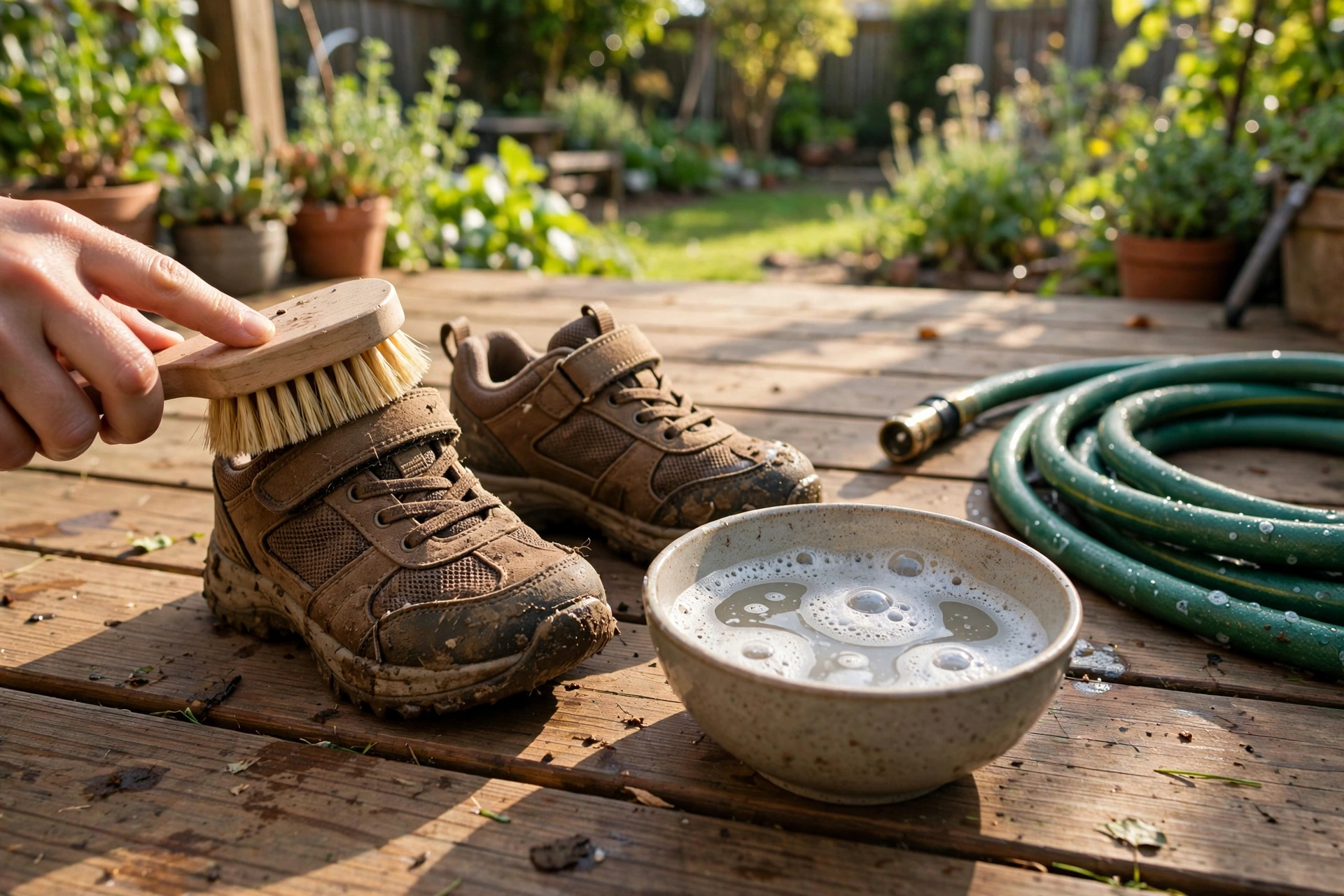
A Step-by-Step Cleaning Routine
- Waterproof first: as soon as I get a new pair, I spray them with a water-repellent treatment. It keeps dirt and light rain from soaking in and makes every future cleaning easier.
- Remove loose dirt: knock the shoes together, then scrub soles and uppers with a soft brush or old toothbrush.
- Wash insoles separately: pull them out, wash with mild soap and water, and let them air dry completely before reinserting.
- Clean the uppers: mix mild soap with warm water (a footwear cleaning gel works well) and gently scrub with a soft brush or cloth.
- Rinse and dry properly: rinse off soap residue, stuff shoes with newspaper to hold their shape, and air dry away from direct heat or sunlight — never the radiator.
- Re-treat: once fully dry, reapply water-repellent spray if needed.
This routine takes ten minutes and keeps shoes ready for the next adventure — or the next kid.
My 4 Favorite Toddler Hiking Shoes in 2026
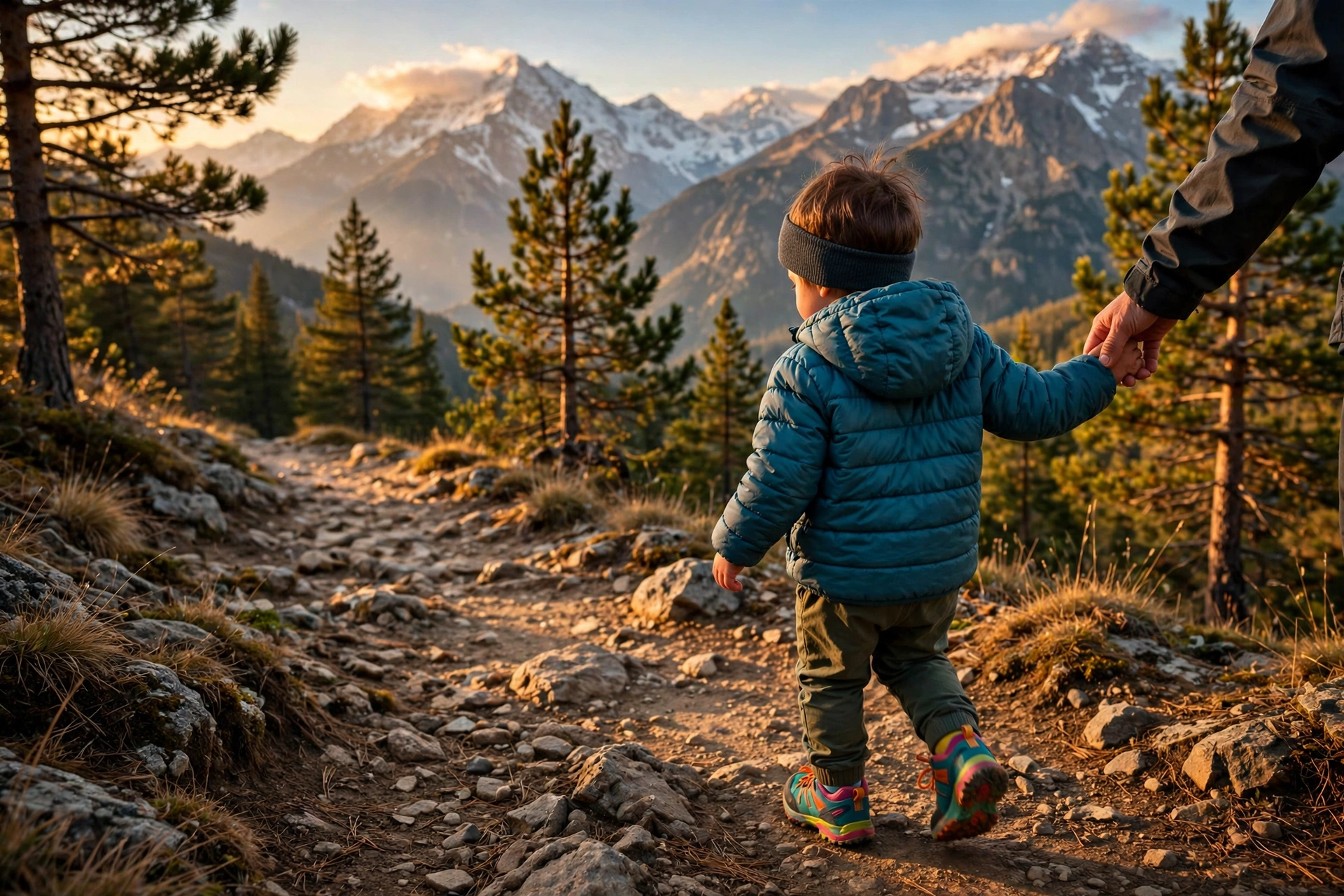
These are the pairs I’ve bought repeatedly for my own kids across seasons. They’re personal favorites, not sponsored picks — and all of them are still current models as of 2026.
1. KEEN Toddlers’ Newport H2 Sandals — best for summer and water trails
A family staple since my oldest was two. The quick-drying webbing handles stream crossings and lake splashing without staying soggy, and the adjustable hook-and-loop strap lets kids put them on themselves. Good traction, solid toe protection, and they’re machine washable. For dusty or rocky trails, I pair them with socks.
2. Merrell Trail Chaser Jr. — best all-rounder
The mix of suede and mesh is tough enough for regular trail use while staying breathable, and the cushioned footbed keeps feet comfortable all day. The hook-and-loop closure means no tying lessons required on the trailhead. I’ve bought multiple pairs over the years — the anti-stink lining is genuinely effective.
3. On CloudHero Mid — best for fall and spring
A mid-cut, water-repellent boot with great grip for shoulder-season mud and rain. The speed laces are the standout feature — my four-year-old gets them on and off with one pull. The toe cap, mudguard, and padded ankle collar add durability and support, and the upper uses recycled materials.
4. Winter insulated boots — best for snow
For true winter, I use fully waterproof boots with a thermoplastic rubber lower, warm padded upper, and an adjustable snow guard to keep powder out. Warm lining keeps feet cozy on frosty days, the reflective heel detail adds visibility on short winter afternoons, and both my two- and four-year-old can put them on themselves.
Toddler Hiking Shoes: Frequently Asked Questions
What size toddler hiking shoes should I buy?
Measure your child’s foot in the afternoon and leave about half an inch of space at the toe for growth and thick socks. Expect to size up roughly every 6–9 months between ages 2 and 4. If you’re between sizes, go up — a slightly roomy shoe with thick socks beats a tight one every time.
Can toddlers hike in regular sneakers?
Yes, for easy, dry trails. Sneakers are light and already broken in, which matters more than aggressive tread on flat terrain. Switch to hiking shoes when trails get muddy, rocky, or steep, or when stream crossings are involved.
Are waterproof toddler hiking shoes worth it?
In wet seasons, absolutely. Wet feet are the number one reason toddlers demand to be carried. Water-resistant or waterproof uppers plus a re-treat routine keep feet dry through puddles and light rain. In hot, dry weather, breathable mesh matters more than waterproofing.
How do I keep toddler hiking shoes from smelling?
Pull the insoles out to dry after every hike, and don’t store shoes in a sealed bag or hot car. Some models have anti-odor linings that genuinely help. A sprinkle of baking soda overnight works for stubborn cases.
When should I replace my toddler’s hiking shoes?
Check the fit every few months — if there’s less than a finger’s width of space at the toe, it’s time to size up. Also replace them if the tread is worn smooth, the toe cap is peeling, or your child starts complaining about discomfort mid-hike. Planning ahead? Check campsite reservation windows by state early so your gear is ready when your trip is.
Hiking with little kids is an investment in slow miles and big memories. The right shoes won’t make your toddler faster — but they will keep everyone on the trail longer, happier, and asking to go again next weekend. For our complete starter kit, see camping with toddlers essentials.

2 comments
[…] trail shoes or hiking boots with good ankle support are recommended. Pair the carrier with proper toddler hiking shoes for your little one once they’re walking portions of the […]
[…] proper gear first. Start with our guides to winter hiking clothes for women, toddler hiking gear, toddler hiking shoes, and the best child carrier backpacks of […]