Best Hiking Gear for Beginners: Complete Guide
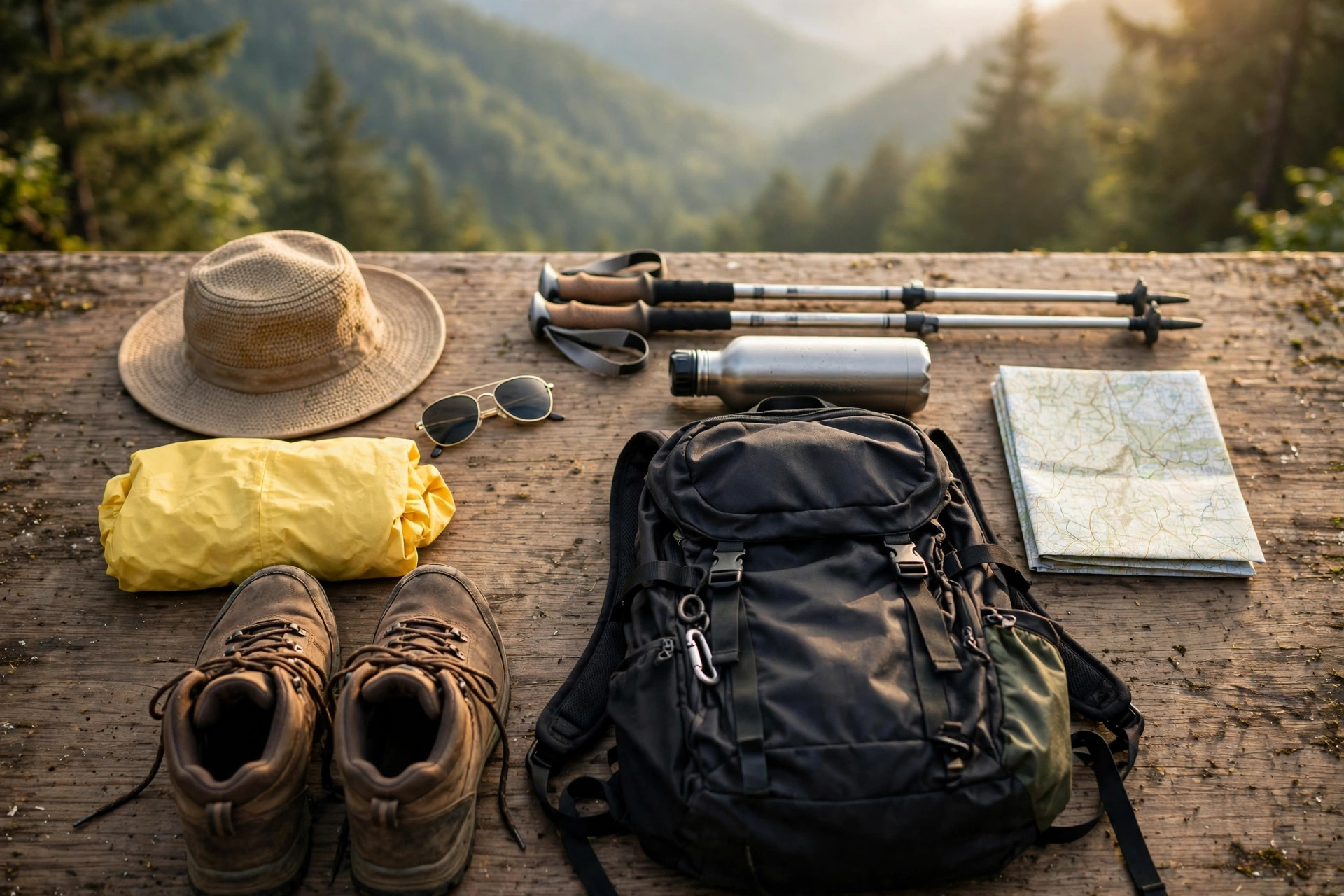
The best hiking gear for beginners does not have to be expensive or complicated. For most day hikes, you need comfortable footwear, enough water and food, suitable clothing, navigation, sun protection, and a few basic emergency items — and that is genuinely enough to start. You do not need a closet full of technical gear before your first trail.
This guide walks through each essential item one by one, with practical advice on what to buy, what to skip, and how much it typically costs. The right gear depends on the trail, the weather, the distance, the season, and whether you are out for a few hours or spending a night outdoors. The National Park Service recommends carrying the Ten Essentials on outdoor trips, because conditions can change and unexpected delays or minor injuries can happen — even on a short, popular trail.
If you are hiking with children, pair this guide with our tips on teaching kids trail safety by age and our list of the best easy hikes near national parks for families so your first outings are both safe and fun.
1. Hiking Shoes or Boots
Footwear should be one of the first things beginners consider, because sore feet end more hikes than any other gear problem. Choose shoes that fit comfortably and match the trail you plan to hike.
For maintained dirt and gravel trails, sturdy hiking shoes or boots with good soles provide useful protection and traction. Lightweight trail shoes also work well for easier terrain, and many beginners find them more comfortable than heavy boots. For paved paths, comfortable athletic shoes can be sufficient.
Fit matters more than brand. Shop in the afternoon, when your feet are slightly swollen, and try shoes on with the socks you will actually hike in. Your toes should not touch the front of the shoe on a downhill slope, and your heel should not lift with every step. Wear moisture-wicking hiking socks rather than cotton — they reduce blisters far more than any shoe feature.
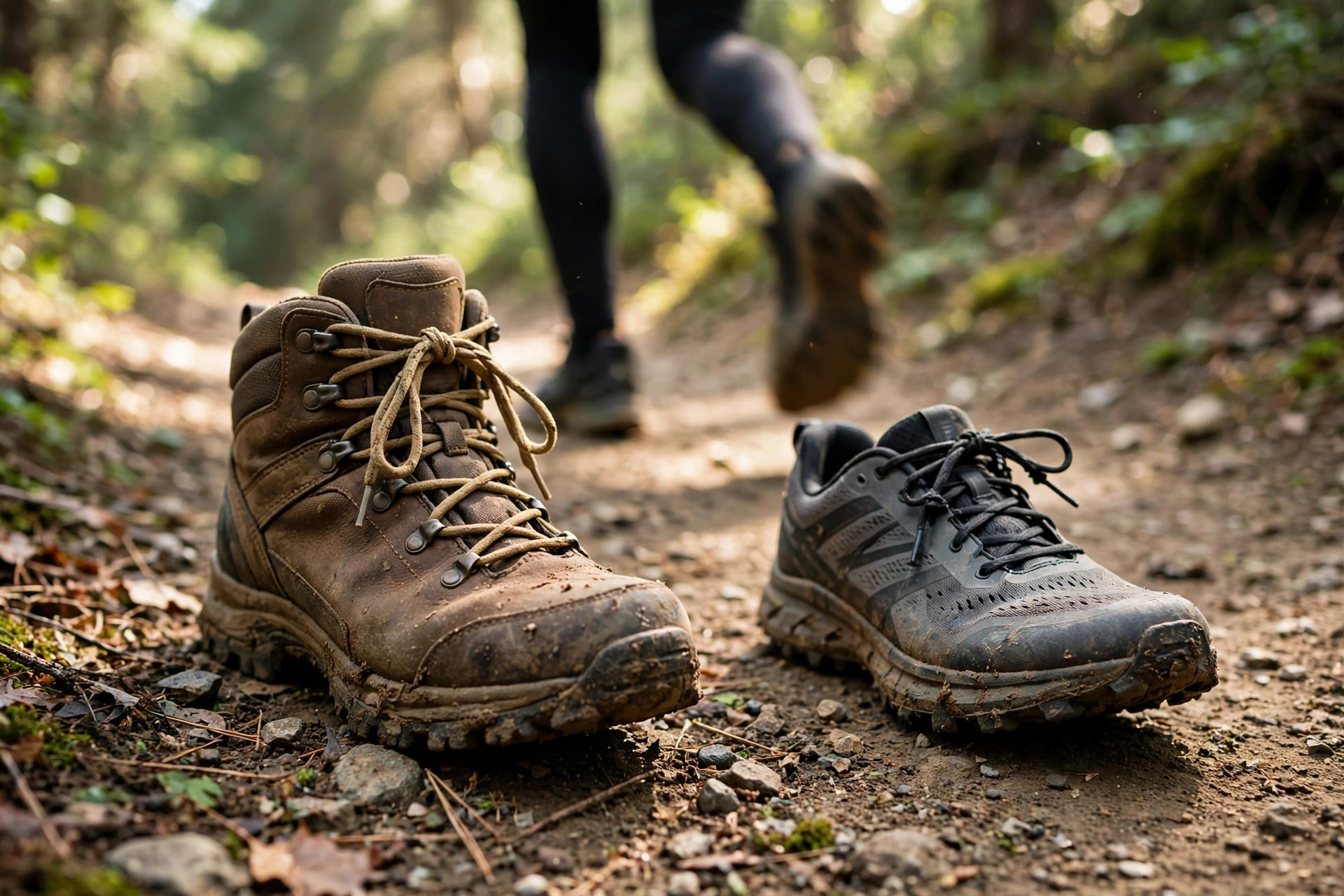
Avoid starting a long hike in brand-new footwear. Wear your shoes on shorter walks first — two or three walks of 30 to 60 minutes is usually enough to identify rubbing, pressure points, or other fit problems before a longer trip. The National Park Service specifically recommends choosing proper footwear and avoiding open-toed shoes or flip-flops for hiking.
2. A Comfortable Hiking Backpack
A small daypack is enough for most beginner day hikes. It should be large enough for water, food, an extra layer, first-aid supplies, navigation equipment, and other essentials without becoming unnecessarily heavy.
As a rough guide, a 10 to 20 litre daypack covers most day hikes, while 20 to 30 litres suits longer days or hikes where you carry gear for children. Look for comfortable, padded shoulder straps, a chest strap to keep the pack stable, and a hip belt if the pack is on the larger side. Try the pack on loaded before you buy — an empty pack always feels fine in the shop.
Beginners often make the mistake of carrying too much equipment. Pack for the actual route and weather instead of filling your backpack with items you are unlikely to use. For longer or overnight hikes, a larger backpack with better support becomes more important — see our backpacking sleeping setup guide if you are planning to sleep out.
3. Water and Hydration
Water is one of the most important things to carry. The amount you need depends on temperature, distance, elevation, pace, and access to reliable water sources.
A useful starting point is about half a litre per hour of moderate hiking, and more in heat, at altitude, or on steep climbs. A 1.5 to 2 litre capacity covers most half-day hikes; carry 3 litres or more for a full, hot day. If you are hiking with kids, they will need their own water — small bottles or a small hydration pack work well.
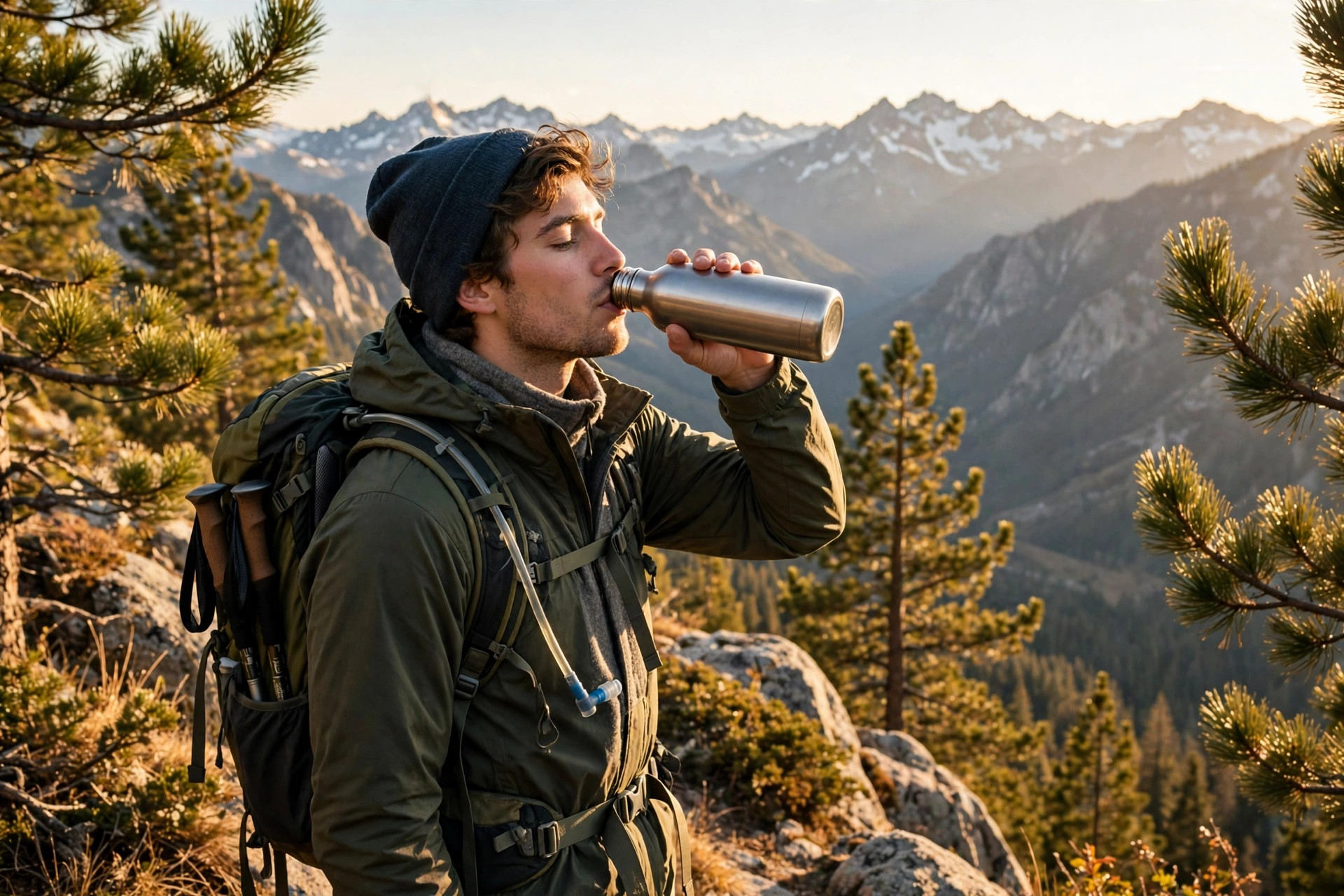
Do not assume that a trail will have safe drinking water. Some hikes have no reliable water source, while others may require water treatment before use. The National Park Service recommends planning your water needs before leaving and carrying water-treatment supplies when appropriate. A reusable water bottle or hydration reservoir can work well; on hot or longer hikes, carry enough water for the expected conditions and some extra for unexpected delays. Electrolyte packets are a cheap, light addition on sweaty summer hikes.
4. Hiking Clothing and Extra Layers
Good hiking clothing should match the weather rather than simply look like outdoor clothing. Lightweight, moisture-managing layers are useful because temperatures can change during a hike.
Think in three layers: a moisture-wicking base layer next to your skin, a warm mid-layer such as a fleece, and a windproof or waterproof outer shell. You can add or remove layers as the day warms up or the wind picks up, which is far more practical than one heavy jacket. A basic setup might include a comfortable shirt, hiking pants or shorts, socks suitable for walking, and a light outer layer.
The National Park Service recommends carrying extra clothing because weather can change unexpectedly. Depending on the destination, this may include a jacket, hat, gloves, or rain protection. Avoid cotton-heavy clothing for demanding or wet conditions because it stays damp, loses its warmth, and can leave you chilled.
5. Navigation Equipment
Beginners should not depend entirely on a mobile phone for navigation. Download an offline map before leaving and consider carrying a physical map and compass, particularly on less-developed trails.
The National Park Service includes navigation among the Ten Essentials and recommends knowing how to use a map, compass, or GPS system before heading out. It also recommends carrying a backup map because phone batteries can run out and cellular service may be unavailable. Before starting, understand the route, distance, expected hiking time, elevation changes, and important trail junctions.
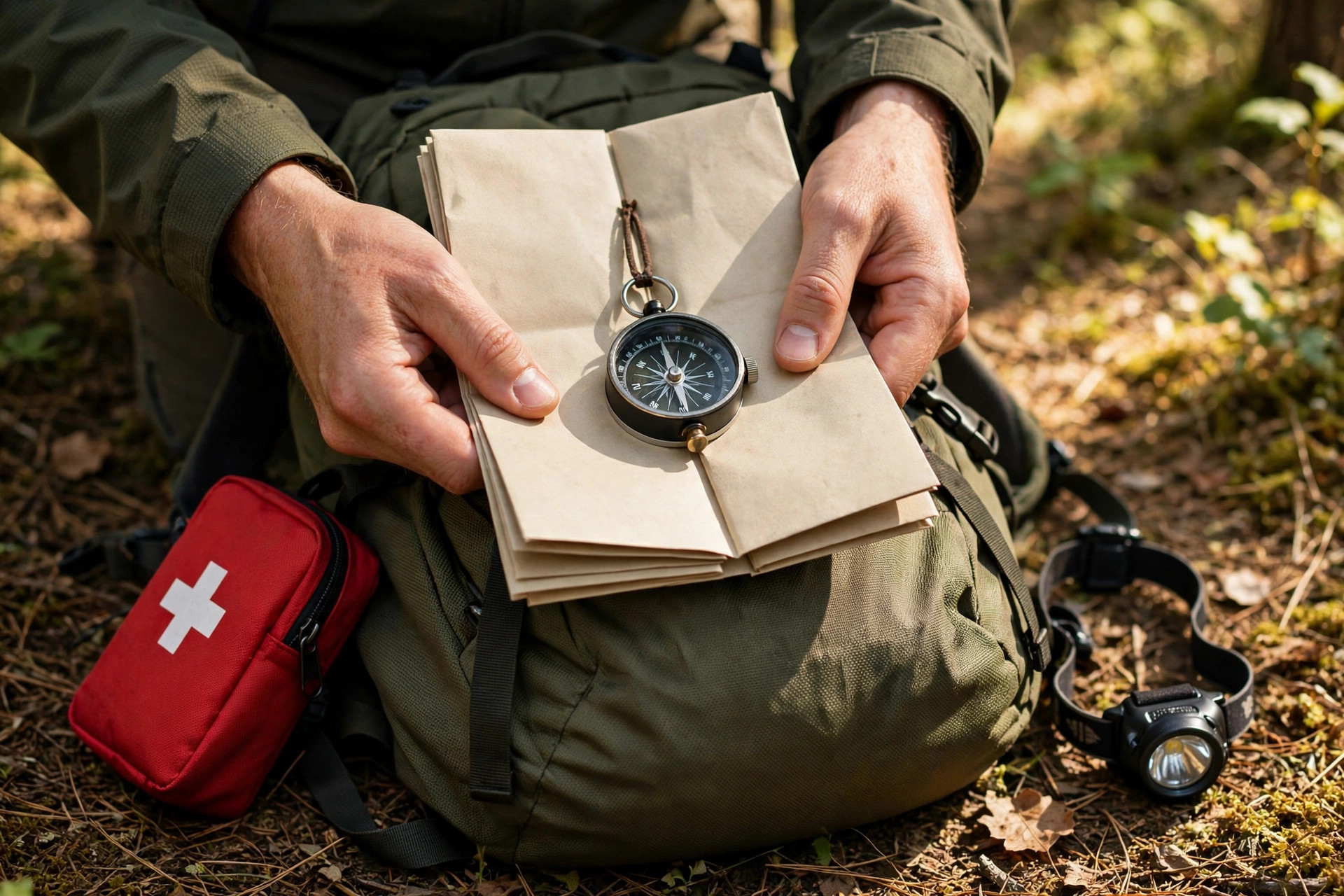
A simple routine helps: check the trailhead information board, take a photo of the trail map with your phone, and note the junction where you need to turn around. If you are hiking with children, this is also a good moment to agree on a simple rule — if anyone gets separated, stay put and blow a whistle three times.
6. First-Aid Kit
A small first-aid kit can handle common problems such as minor cuts, blisters, and scrapes. It should be appropriate for the length and location of your hike. A basic day-hike kit includes adhesive bandages in several sizes, blister patches, antiseptic wipes, medical tape, tweezers, pain relief tablets, any personal medication, and sunscreen.
Include items you personally need, such as regular medication, along with basic wound-care supplies. Check the contents periodically and replace anything expired or used — a kit that has sat in a pack for a year often has dried-out wipes and an empty bandage pocket.
For longer or more remote hikes, your first-aid supplies should be more comprehensive. The National Park Service recommends customizing a basic kit according to the trip and individual needs. Knowing a little basic first aid — how to treat a blister, stop minor bleeding, and recognise heat exhaustion — matters more than carrying a large kit you do not know how to use.
7. Sun and Weather Protection
Sunglasses, sunscreen, and a hat are simple pieces of gear that can make a long day outdoors far more comfortable. They are particularly useful on exposed trails where there is little shade. Apply sunscreen before you start and reapply every couple of hours, especially at altitude, where UV is stronger.
Weather protection is equally important. A lightweight rain jacket can be useful even when rain is not expected, particularly in areas where weather can change quickly. A cheap packable poncho also works for beginners and costs very little.
Check the local forecast before leaving and look at current trail or park conditions. The National Park Service recommends being prepared for sudden weather changes rather than relying only on the conditions when you leave home. If thunderstorms are forecast for the afternoon, start early and plan to be off exposed ridges by midday.
8. Headlamp or Flashlight
Even if you expect to finish before sunset, carrying a small headlamp or flashlight is a smart backup. A headlamp is especially useful because it leaves both hands free while walking. Carry spare batteries or make sure your rechargeable light has enough power for the trip.
The National Park Service considers illumination one of the Ten Essentials and recommends a flashlight or headlamp rather than depending on a phone for emergency lighting. A phone flashlight drains the battery you may need for navigation or an emergency call, and it is awkward to hold while walking on uneven ground.
9. Food and Snacks
Bring enough food to maintain your energy throughout the hike and keep some extra food available in case the trip takes longer than expected. Simple foods such as nuts, trail mix, energy bars, dried fruit, or sandwiches are convenient for day hikes. Choose foods that travel well and are easy to eat during breaks.
With children, snacks do double duty as motivation — plan a snack stop about every hour. Our list of family hiking snacks has 20 trail-tested ideas that kids will actually eat. The National Park Service recommends carrying extra food because an injury, wrong turn, weather change, or other delay can extend the time you spend outdoors.
10. Small Emergency and Repair Items
A few lightweight backup items can be extremely useful. A whistle, basic repair tape, a small multi-tool, an emergency blanket, and simple fire-starting equipment may have a place in your pack depending on the destination and local regulations.
For remote areas, a personal locator beacon or satellite communication device can provide an additional safety option because cellular service may not be available. These devices are more relevant for isolated hikes than ordinary short walks in busy parks — beginners on popular trails do not need to buy one for their first hike.
Do not carry specialized equipment simply because a checklist says so. Consider the trail, season, distance, and remoteness when deciding what additional gear you need. A whistle and a charged phone cover most emergencies on a well-travelled beginner trail.
How Much Does Beginner Hiking Gear Cost?
Beginners often wonder what a first hiking kit will cost. Prices vary by brand and season, but as a rough guide, a complete day-hike setup can be put together for around $150 to $300 if you shop sensibly, and much less if you already own suitable shoes and a small backpack.
Typical price ranges for the main items are roughly: hiking shoes or boots $60 to $150, a daypack $30 to $80, a reusable water bottle or hydration reservoir $15 to $40, a rain jacket $40 to $100, a headlamp $15 to $35, and a basic first-aid kit $10 to $25. Trekking poles, usually $25 to $60 for a pair, are optional for beginners but genuinely help knees on steep descents.
Sales at the end of each season are the best time to buy — last season’s boots and jackets are often heavily discounted. Second-hand gear is also a sensible option for items like packs and poles, but buy footwear and socks new, since fit and hygiene matter.
Beginner Hiking Gear Checklist
For a typical day hike, a practical starting checklist includes:
- Comfortable hiking shoes or boots, broken in before the trip
- Small daypack (10–20 litres for most day hikes)
- Water — about half a litre per hour, plus extra
- Snacks and extra food
- Map and offline navigation, plus a charged phone
- Extra clothing layer and rain protection when appropriate
- Sunscreen, sunglasses, and hat
- Small first-aid kit with blister patches
- Headlamp or flashlight with spare batteries
- Whistle
- Emergency shelter such as a space blanket
- Basic repair supplies (tape, multi-tool)
- Personal medications
- Trekking poles (optional, helpful on steep trails)
This list is based on the same basic safety principles behind the National Park Service Ten Essentials, but the exact equipment should be adjusted for the trail and conditions.
How to Choose Hiking Gear Without Overspending
Beginners do not need to buy the most expensive equipment. Start with the items that directly affect comfort and safety: footwear, a suitable backpack, water, weather protection, and navigation.
Buy gear according to the type of hiking you actually plan to do. A short local trail does not require the same equipment as a remote mountain hike. Once you gain experience, you can upgrade specific items based on what you find useful — most hikers replace their shoes first, then their pack.
Before every trip, test your gear. Wear your shoes, adjust your backpack, check your flashlight, and make sure your water system works properly. The National Park Service recommends testing equipment before heading out, particularly for people who are new to outdoor activities. A short practice walk close to home is the best way to find problems while they are still easy to fix.
Frequently Asked Questions
What hiking gear do I need for my first hike?
For a first day hike on a well-marked trail, you need comfortable shoes, a small daypack, water, snacks, sun protection, a rain layer, a map or offline navigation, a basic first-aid kit, and a headlamp. That covers the essentials — everything else can wait until you know you enjoy hiking.
Do beginners need hiking boots or are trail shoes enough?
Trail shoes are enough for most beginner hikes on maintained dirt or gravel paths. Boots are worth considering for rocky, muddy, or uneven terrain, or if you need extra ankle support. Comfort and fit matter far more than whether the shoe is labelled a boot or a trail shoe.
How much water should I carry on a day hike?
Plan on about half a litre per hour of moderate hiking, and more in hot weather, at altitude, or on steep climbs. For most half-day hikes, 1.5 to 2 litres is a good starting point; carry 3 litres or more for a full, hot day. Always carry a little extra for unexpected delays.
Can I hike in regular running shoes?
Yes, for easy, flat, well-maintained trails in dry weather, comfortable running shoes are fine. They are less suitable for rocky, muddy, or steep terrain, where hiking shoes with deeper tread and sturdier soles give better grip and protection. Never hike in sandals or flip-flops.
What should I pack for hiking with kids?
Children need their own water, snacks, sun protection, and a layer for changing weather, plus a whistle and a simple rule about what to do if they get separated. Keep the distance short, plan snack stops, and let them carry a tiny pack of their own — it makes them feel part of the adventure. See our guide to teaching kids trail safety by age for more.
When should I upgrade from beginner gear?
Upgrade when a specific item is limiting you — your shoes hurt on longer walks, your pack is too small, or you want to try overnight trips. Replace one item at a time, starting with whatever affects your comfort most, rather than buying a whole new kit at once.

2 comments
[…] and what to do when nothing off the rack quite works. If you are just getting your kit together, my complete beginner’s hiking gear guide is a good companion […]
[…] sleep temperature, and hiking style all shape what works. If you want to go deeper on kit, our complete hiking gear guide for beginners covers the […]