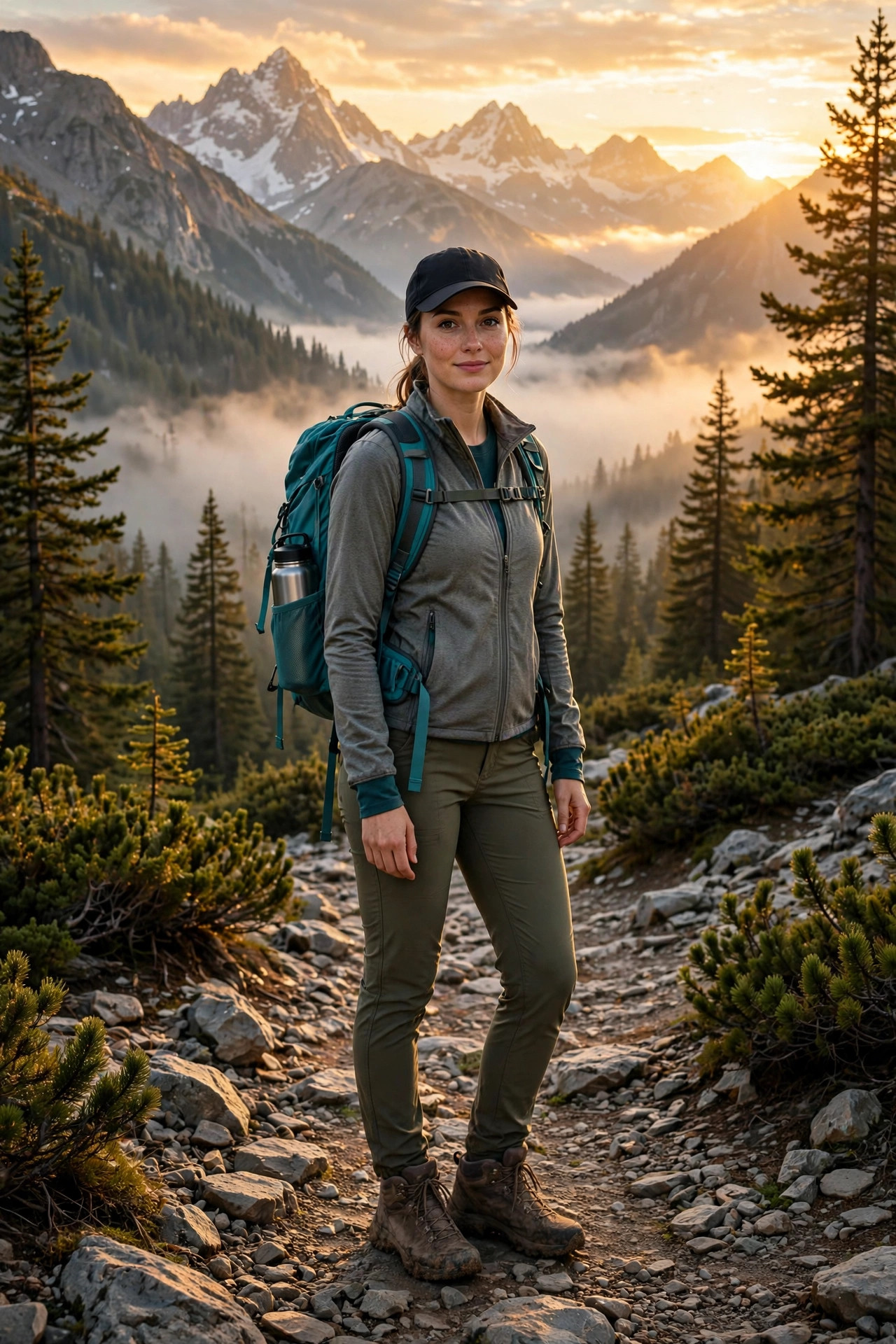
Halfway up a rocky scramble, my boot caught the extra three inches of fabric pooling around my ankles, and I went down hard — palms scraped, pride bruised, and a perfectly good hiking day nearly ruined by pants that were never cut for someone like me. At 5’3″, I have spent years wrestling with trousers designed for a taller, straighter frame. Finding hiking pants for petites should not feel like a treasure hunt, but for many of us short hikers, that is exactly what it feels like. This guide is the one I wish someone had handed me on day one: what petite fit actually means, how to shop for it, which pairs have earned a permanent spot in my pack, and what to do when nothing off the rack quite works. If you are just getting your kit together, my complete beginner’s hiking gear guide is a good companion read.
I am Emma — a mom, a trail regular, and a hiker who does most of her miles with a kid in tow. I have tested nearly every brand of hiking pants out there. Here is everything I have learned about dressing a petite frame for the trail.
The Petite-Fit Buying Guide: What Actually Matters
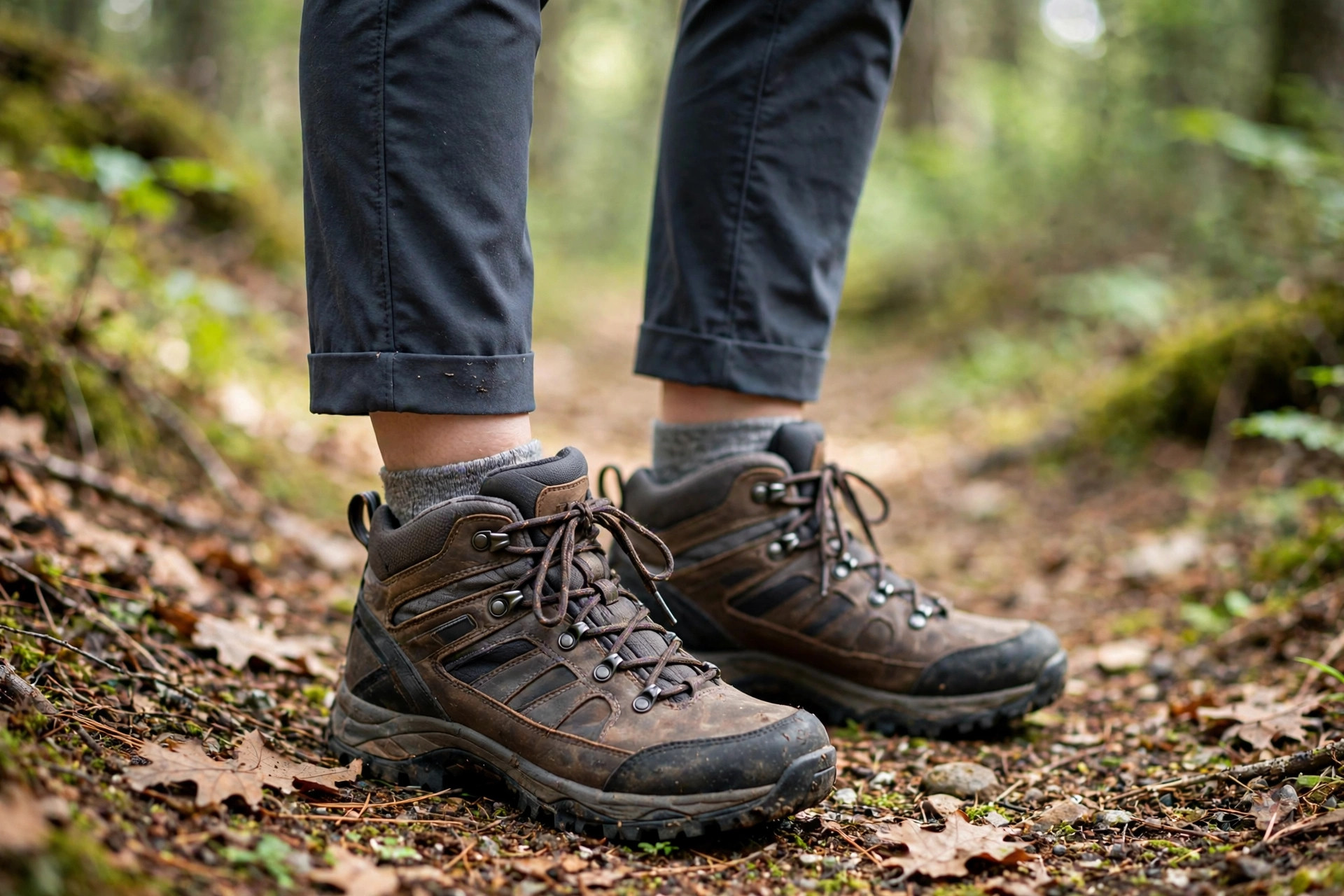
First, let us clear up a common misunderstanding: “petite” is not a synonym for “extra small.” Petite sizing is about proportions, not weight. A petite cut typically means a shorter inseam, a shorter rise, knee articulation placed higher on the leg, and sometimes a slightly narrower leg opening — the whole pattern is scaled for a shorter frame. You can be a size 2 or a size 16 and still need a petite inseam. Once I understood that, shopping got much easier.
The single most important number is your inseam — the measurement from your crotch to the floor, barefoot. Standard women’s hiking pants usually run a 31 to 33 inch inseam, which is why so many of us end up with fabric puddling over our boots. Petite and “short” inseams generally land around 27 to 30 inches. Here is the catch: there is no industry standard, and every brand defines “short” and “petite” differently. Measure yourself first (stand barefoot against a wall, slide a hardcover book up between your legs, measure from the book to the floor), then check the brand’s current sizing page — the chart on the product page is the only one that matters, because definitions change between seasons.
Next, pay attention to rise and waist. On the trail, your pants interact with your backpack’s hip belt, and a waistband in the wrong place will dig, bunch, or slide. Many petite hikers do well with a mid to high rise and a partially elastic or drawcord waistband, which flexes when you sit, scramble, or eat a big trail lunch. If you hike with a hip belt, try pants on with your pack loaded to make sure nothing rubs.
Fabric and stretch come next. Look for quick-drying nylon or polyester blends with a touch of elastane or spandex — usually 3 to 8 percent is enough for the fabric to move with you on high steps and scrambles. Built-in sun protection (UPF) and a water-repellent finish are bonuses worth having. One firm rule: avoid 100 percent cotton. Cotton soaks up sweat and rain, dries slowly, and can leave you cold and miserable on a breezy ridgeline.
Finally, know your hemming and length hacks. Even the best petite inseam may not be perfect, and that is fine. A straight hem is one of the easiest alterations in existence — any tailor can do it cheaply, and iron-on hem tape works in a pinch. Jogger-style cuffs and drawcord ankles are a petite hiker’s secret weapon: they gather extra length neatly instead of letting it drag. And if a brand you love skips short inseams, rolling the cuffs once or twice looks intentional and keeps fabric out of the mud.
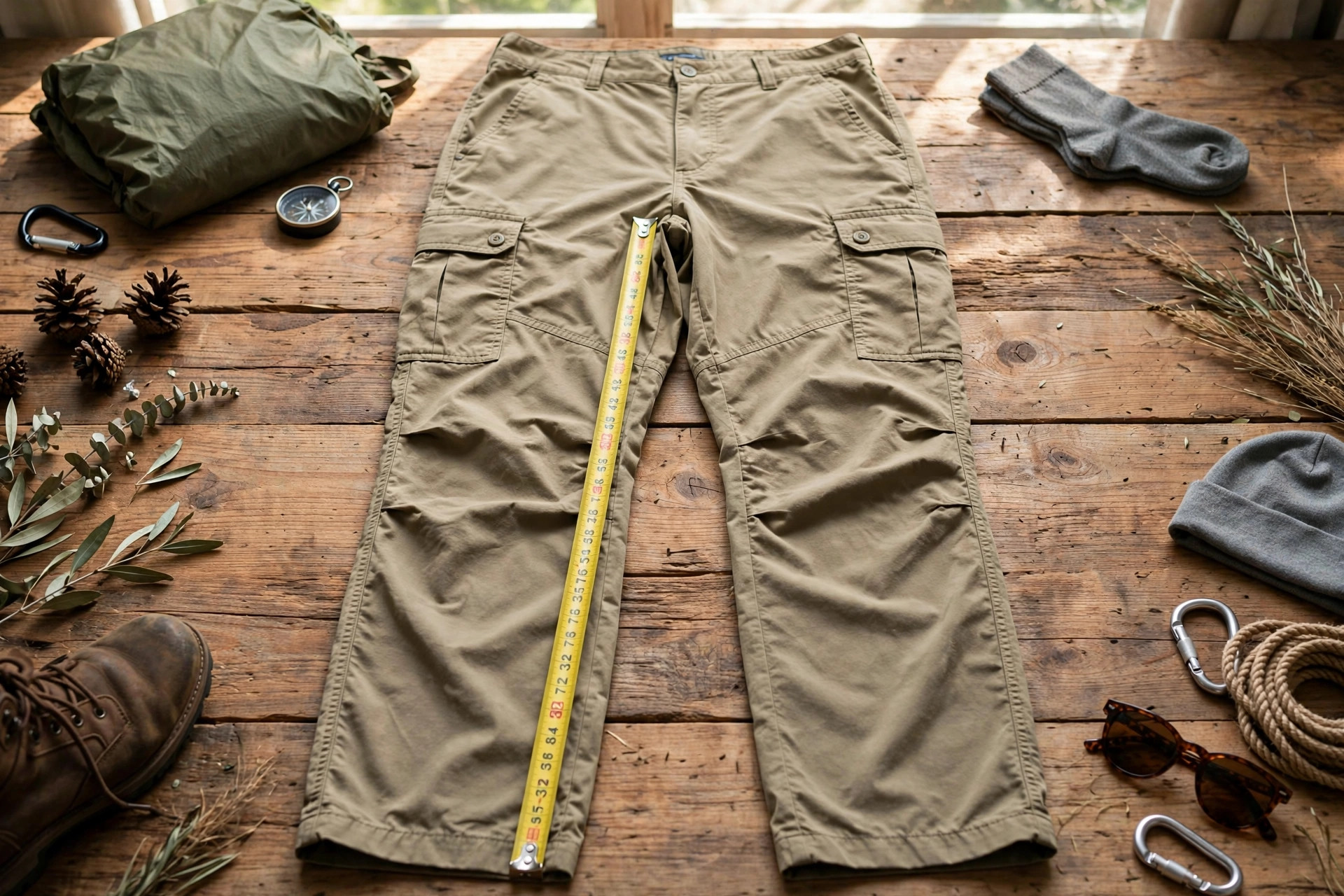
Use this checklist every time you shop:
- Inseam: know your number; look for 27–30″ short/petite options and verify against the brand’s current chart.
- Rise and waist: mid-to-high rise with elastic, drawcord, or adjustable waistband; test with your pack’s hip belt.
- Stretch: a few percent elastane for scrambling and high steps; articulated knees placed correctly for your leg length.
- Fabric: quick-dry synthetic, UPF rating, water-repellent finish; no cotton for serious hikes.
- Length plan B: jogger cuffs, ankle drawcords, or a hemming plan if the inseam runs long.
- Pockets: at least one zippered pocket for keys, ID, and lip balm — non-negotiable on my list.
- Versatility: convertible zip-off legs or roll-up cuffs earn their place on variable-weather days.
For a deeper dive into evaluating outdoor clothing, REI’s hiking pants buying advice is a solid, brand-neutral reference I send to friends.
My Trail-Tested Picks: The Best Hiking Pants for Petites
These are the pairs I reach for most, from brands that offer short or petite inseams rather than just small waist sizes. Independent roundups like GearJunkie’s best women’s hiking pants list are worth browsing too, since lineups change every season. Quick comparison first, details below:
| Pick | Best For | Short Inseam Options | Standout Feature |
|---|---|---|---|
| Columbia Silver Ridge Utility Convertible | Changeable weather, travel | Yes — short inseam available | Zip-off legs convert to shorts |
| Baleaf Quick-Dry Cargo / Jogger | Everyday day hikes on a budget | Yes — 27″ cargo inseam; ~25.5″ jogger | Elastic waist, tons of pockets |
| KUHL Stretch Pants | Rugged trails, durability | Select short styles | Excellent stretch and abrasion resistance |
| REI Convertible Pants | One pair for everything | Yes — petite/short inseams offered | Side-zip legs, backpack-friendly fit |
Columbia Silver Ridge Utility Convertible Pants
My long-time top pick is the Columbia Silver Ridge Utility Convertible Pants, which have survived more miles with me than any other pair. The zip-off legs are the headline feature: start a chilly morning in full pants, and when the sun climbs, zip the lower legs off and stash them in your pack.
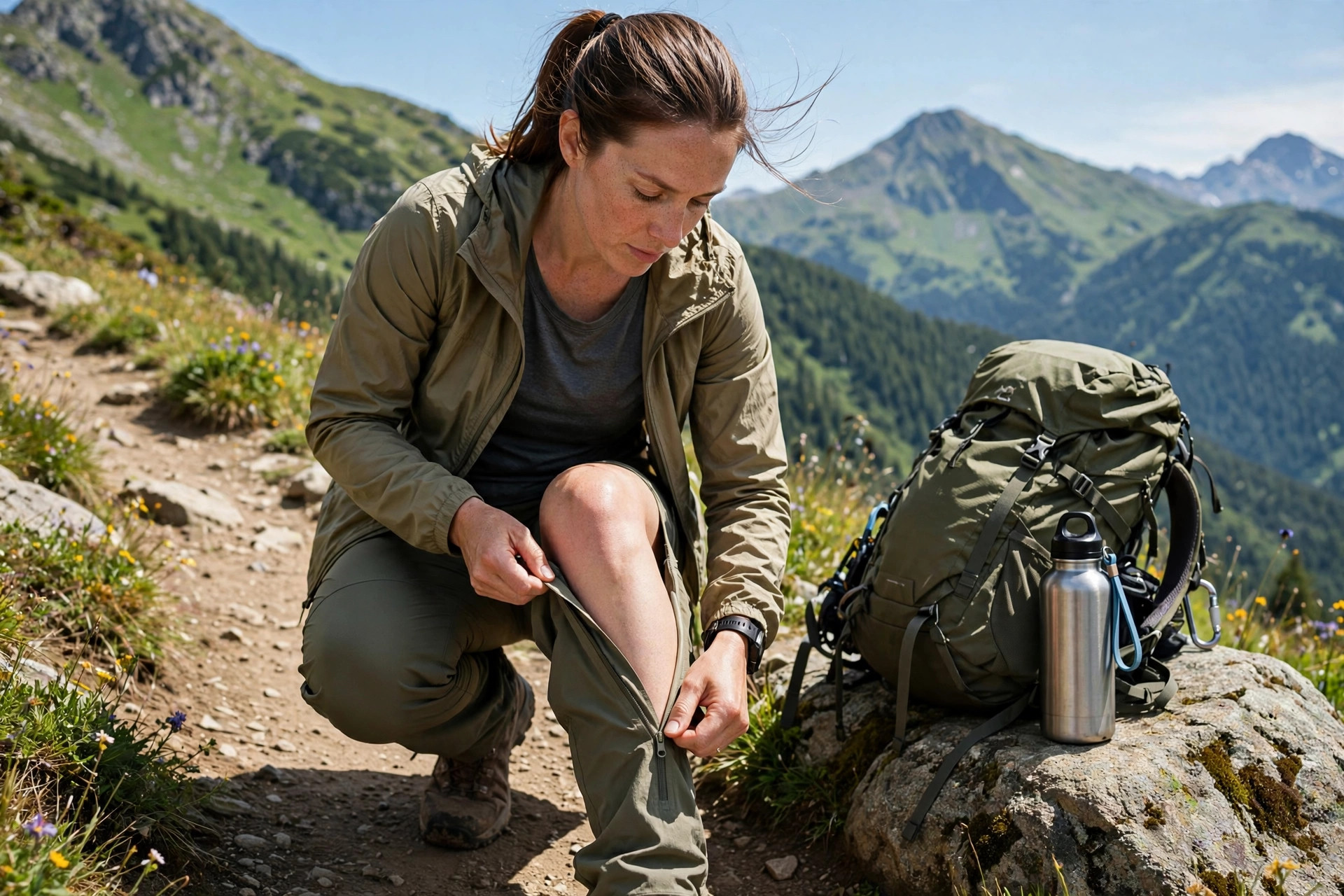
For petite hikers, the key detail is that Columbia offers these in a short inseam — order your usual size in the short length and check the current size chart before buying, since fit notes change. The nylon fabric is water- and stain-repellent with built-in sun protection, and a touch of stretch keeps them comfortable on scrambles. The zippered security pocket swallows a car key and ID, and the articulated knees actually land near my knees, which is rarer than it should be. If you are between sizes, try the larger one first — a waistband with a little room layers better than one that is skin-tight.
Baleaf Quick-Dry Cargo and Jogger Hiking Pants
When friends ask for a solid pair that does not require a big investment, I point them to Baleaf. The cargo style comes in a 27-inch inseam option that fits many petite hikers right out of the bag, and the jogger version runs even shorter at around 25.5 inches, with elastic cuffs that neatly contain any extra length. The elastic waistband is forgiving through long hiking days, and the relaxed cargo cut leaves room for base layers underneath.
These are lightweight, quick-drying, and water-resistant — ideal for fair-weather day hikes on established trails. The multiple pockets (including zippered ones) hold trail snacks, a phone, and keys. They come in a wide range of colors and sizes, which makes them easy to recommend to hiking partners of all shapes. Save the premium abrasion-resistant pairs for off-trail bushwhacking, and let these handle your regular trail miles.
KUHL Hiking Pants
KUHL has been outfitting hikers for decades, and their women’s pants earn their reputation for durability. The stretch-woven fabrics move beautifully on steep, uneven terrain, and several styles convert between capri and full length — genuinely useful when the forecast cannot make up its mind or when bugs come out at dusk. I like them for rockier, rougher trails where I want fabric that will not snag or wear thin.
Petite-specific lengths vary by style, so check the current product page for inseam options before ordering. The trade-off for the durability is a slightly heavier feel than the ultralight options above, but on scrambles and brushy trails, that sturdiness is a feature, not a bug.
REI Convertible Hiking Pants
REI’s house-brand convertible pants deserve a spot because they solve two petite problems at once: they come in short and petite inseams, and the full-length side zips let you pull them on or off without removing your boots. That is a bigger deal than it sounds — try peeling off rain-soaked pants while balancing on a wet log and you will understand.
The fit tends to run a little roomier than Columbia’s, with an adjustable waistband that accommodates extra layers. Articulated knees keep mobility reasonable for a pant designed to layer. As with any big retailer’s house brand, model names get refreshed regularly, so use my description as a guide to what to look for (side zips, short inseam, adjustable waist) rather than hunting for one exact model name.
Rain Pants for Petite Hikers
Real rain needs real rain pants. A good pair pulls on over your hiking pants with an elastic and drawcord waist that seals out drafts and fits over extra layers. Look for sealed seams — that is what actually keeps water from seeping through — and articulated knees so you can still move.
Be realistic about mobility: rain pants are designed to go over another pair of pants, so they will never move like your favorite hiking trousers. That said, I have worn mine solo for snowshoeing and stayed comfortable. Prioritize a short inseam or petite-specific sizing, full or three-quarter side zips for easy on-off over boots, and a fit that does not balloon in the wind. A pair that fits well is the difference between rain gear you actually bring and rain gear that lives in your closet.
Hiking Skirts, Skorts, and Trail Dresses: The Fit-Free Alternative
Here is my honest backup plan: when pants shopping gets exhausting, try a hiking skirt or skort. Inseam anxiety disappears completely, airflow on hot climbs is unbeatable, and bathroom breaks on the trail get dramatically simpler. Many of us petite hikers keep one in the rotation for summer.
A few guidelines make the difference between loving and hating them. In warm weather, choose a shorter skirt or a skort with built-in shorts. In cool weather, pair a longer skirt with leggings underneath. Check the fabric: some skirts include cotton, which is fine for a dry stroll but a poor choice for wet conditions. And do not overlook trail dresses — many come in moisture-wicking synthetics with built-in shorts and pockets, and they pack down to nothing.
Care Tips to Keep Your Hiking Pants Trail-Ready
Good hiking pants are an investment, and a little care stretches their life by years. Wash cold with gentle detergent, and skip fabric softener — it coats the fibers and kills the water-repellent finish. Reapply a DWR spray when water stops beading, usually once a season. Air-dry when you can; high heat breaks down elastic and stretch fibers. Patch small snags early with iron-on repair tape before they become tears.
One more tip from the mom-hiking trenches: treat your hiking pants as part of a layering system rather than a standalone item. The right base layer underneath and the right shell over the top matter as much as the pants themselves — especially when little hikers are along. My guide to hiking with an infant carrier covers how I dress for those carry-everything miles.
Frequently Asked Questions About Hiking Pants for Petites
What inseam length should petite hikers look for?
Most petite hikers do best with inseams between 27 and 30 inches, but measure your own inseam first and compare it to each brand’s current size chart — “short” and “petite” mean different things at different companies.
Are petite hiking pants just smaller sizes?
No. Petite sizing adjusts proportions — shorter inseam, shorter rise, higher knee placement — not just overall smallness.
What if my favorite brand does not offer a short inseam?
You still have options: jogger cuffs and ankle drawcords gather extra length neatly, rolling the cuffs works for casual hikes, and a tailor can hem straight-leg synthetics inexpensively.
Are convertible zip-off pants worth it for petite hikers?
For variable weather, absolutely — one pair covers cold mornings and hot afternoons. Just make sure the short version zips off at a comfortable point; on very short frames, some convertible shorts land mid-shin rather than at the knee.
Can I wear hiking skirts instead of pants?
Yes, especially in warm, dry conditions. Skorts with built-in shorts offer coverage and airflow, and a longer skirt over leggings works for cooler weather. Avoid cotton blends in the wet.
How do I keep hiking pants from sliding down under a backpack hip belt?
Choose a mid-to-high rise with an adjustable, drawcord, or partially elastic waistband, and try the pants on with your loaded pack. The hip belt should sit on your hip bones, not on the waistband itself.
