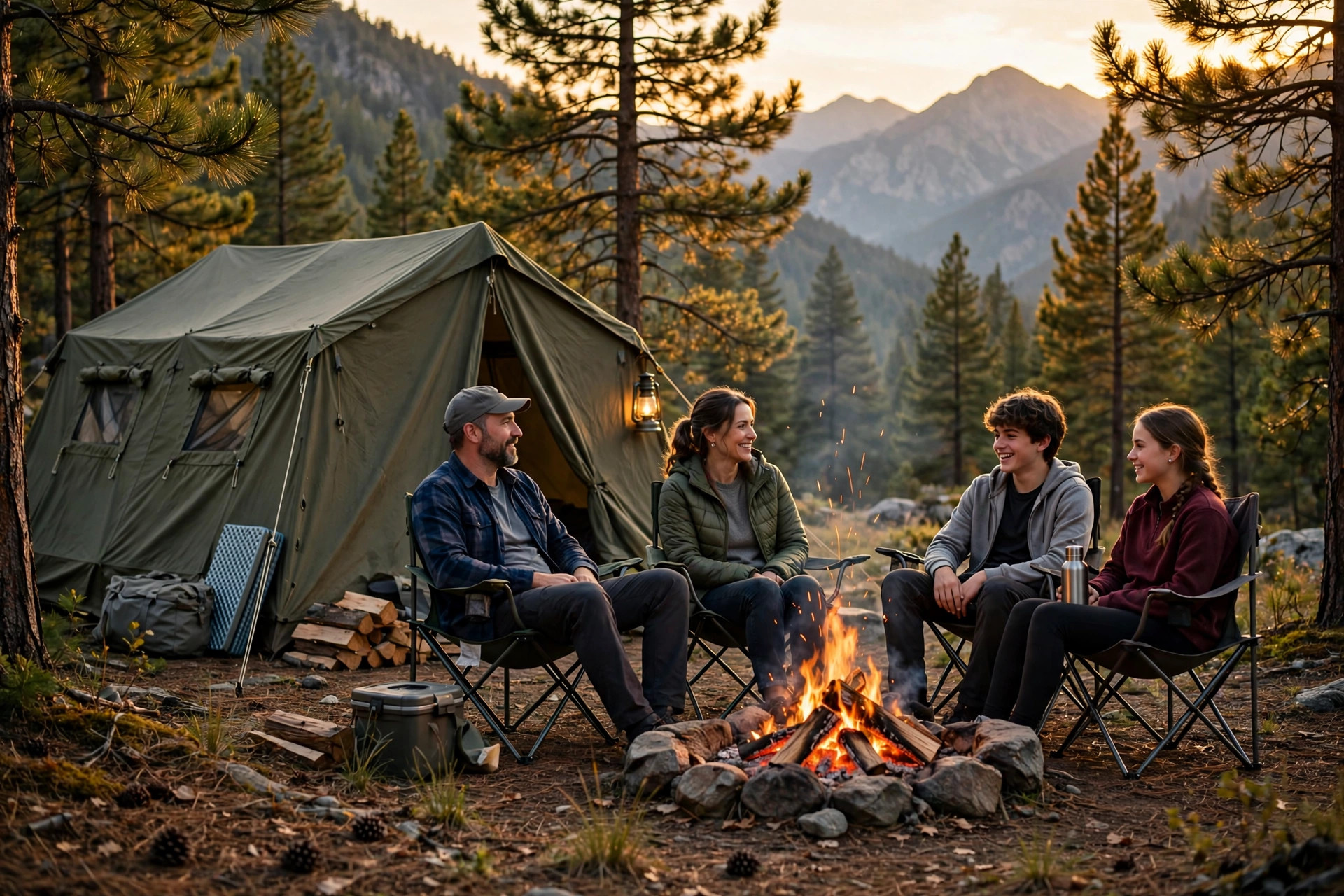
The family camping trip that thrilled your seven-year-old can leave your fifteen-year-old slumped in the back seat, muttering “this is boring” before you’ve even unpacked. Camping with teens is a different sport: they need more independence, more privacy, real challenges, and a thoughtful approach to screen time — not just s’mores and shadow puppets. These 18 parent-tested tips help families with teenagers plan trips teens genuinely look forward to, instead of trips they just endure.
Why Teens Check Out (and How to Win Them Back)
A teenager who was dragged to a toddler-friendly campground with no wifi, no friends, and a 2-mile nature walk will remember the trip as punishment. But teens are actually at a great camping age: they’re strong enough for real hikes, capable of handling real responsibility, and old enough to appreciate a great view. The problem is almost never the teenager — it’s a trip designed for little kids. Start your planning by treating them like junior partners, not passengers.
Before the Trip: Planning Together
1. Let them co-plan the trip
Teens engage with plans they helped make. Give them real choices: let them research and pitch two or three campgrounds, pick the route’s lunch stop, or own the camp menu for one full day. A teen who chose the destination defends it. When they suggest something unrealistic (a 14-hour drive to a campsite with a water park), treat it as a starting point and negotiate — the conversation itself builds buy-in. Our weekend action plan for first-time family campers works well as a framework teens can help fill in.
2. Choose a campsite built for older kids
The quietest tent-only loop with pit toilets will bore a teen in hours. Look for campgrounds with a swimming lake, kayak or SUP rentals, mountain bike trails, a fishing dock, or climbing nearby. Campgrounds near state parks with trailheads work especially well. Browse reservable sites on Recreation.gov, which lists amenities per site — filter for the activities your teen actually likes before you book.
3. Solve the sleeping situation honestly
Privacy is the number-one complaint from teen campers. If you can, give them their own tent or a separate sleeping area — even a simple two-person tent pitched ten feet from yours counts as a palace. Sleeping bags matter too: a teen-sized bag rated for the actual night temperatures keeps them comfortable and quiet. Run through the 47-essentials family camping checklist together and let them tick off their own gear.
4. Set the screen-time rules together, not on the drive there
The worst mistake is announcing “no phones!” as you roll through the campground gate. Instead, negotiate a tech plan a week before the trip. What works for many families: phones allowed for photos, music, and stargazing apps, but social media off during daylight hours; charging once a day at the picnic table; and one fully unplugged “adventure block” (usually the main hike) where everyone — parents included — pockets their phone. When the rule applies to you too, teens respect it.
5. Invite a friend (the secret weapon)
One approved friend multiplies a teen’s enjoyment of camping by roughly a hundred. Yes, it adds food and logistics, and yes, you should confirm with the friend’s parents. But a trip with a buddy turns into shared adventures instead of tolerated chores. Many veteran camping parents say this single move ended their teen’s camping resistance permanently.
At Camp: Engagement That Works
6. Hand them real responsibility
Teens switch off when every task is “help mom with the dishes.” Instead, give them genuine ownership: they’re the navigator with the map app, the fire-builder, the dinner chef for one night, or the photographer documenting the trip. Real jobs build competence and pride — and a teen who built the fire watches it like it’s their job, because it is.
7. Match activities to their actual interests
Don’t fight their personality; use it. The table below pairs common teen interests with campsite activities that scratch the same itch.
| If your teen loves… | Try this at camp | What it builds |
|---|---|---|
| Gaming / strategy | Orienteering with map and compass, night navigation course | Problem-solving, real-world navigation |
| Social media / photography | Golden-hour photo challenge, sunrise-to-sunset timelapse | Creativity, patience |
| Sports / competition | Kayak races, climbing wall nearby, frisbee golf course | Endurance, teamwork |
| Music | Evening jam session around the fire, road-trip playlist battles | Confidence, shared memories |
| Science / nature | Wildlife tracking, water-quality testing at the lake, astronomy | Curiosity, real knowledge |
8. Plan one “adventure day” with a bigger challenge
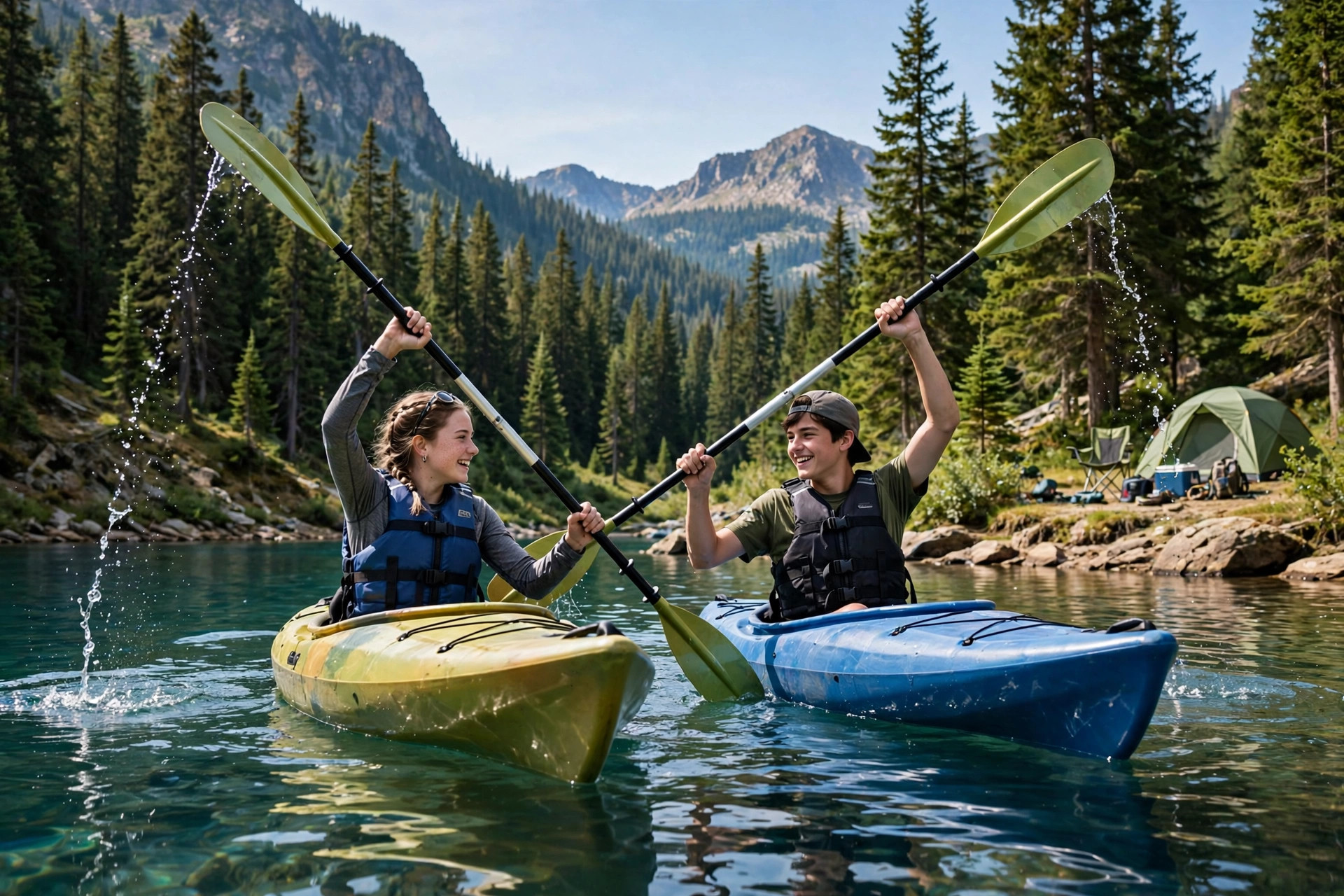
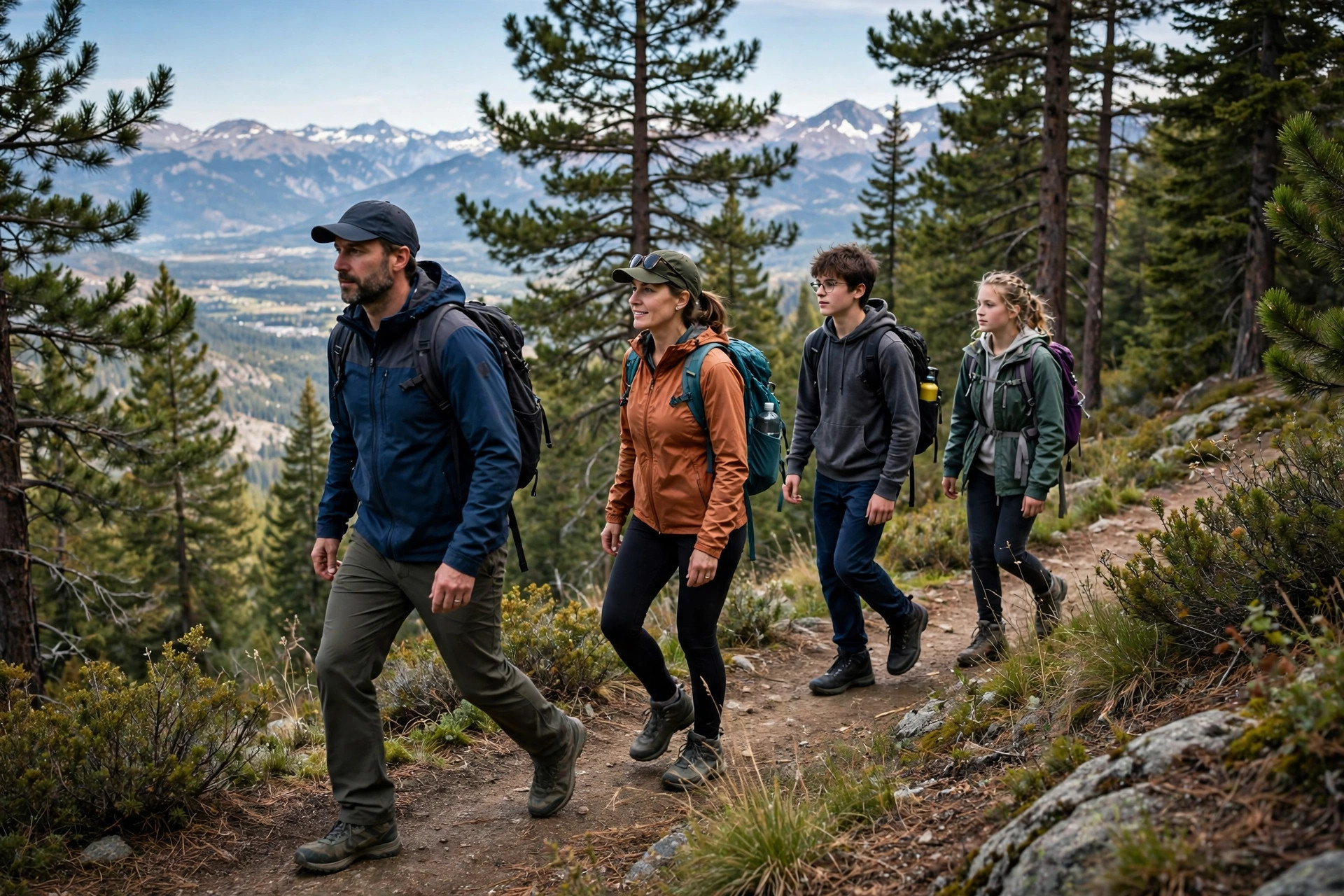
Teens are wired to test themselves. Build the trip around one bigger day: a longer hike with a summit payoff, a full day of kayaking, a guided rock-climbing session, or a sunrise mission. The bragging-rights value of conquering something hard is the antidote to “this is boring.” Pack enough food for it — consult these trail-tested snack ideas for kids and teens before the big day.
9. Protect their downtime
Constant group activity exhausts teens faster than adults. Build in 1–2 hours of genuine free time each afternoon: hammock time, journaling, reading, listening to music, wandering with the camera. This isn’t lost family time — it’s the recovery period that makes the rest of the day pleasant for everyone.
10. Make nights magical
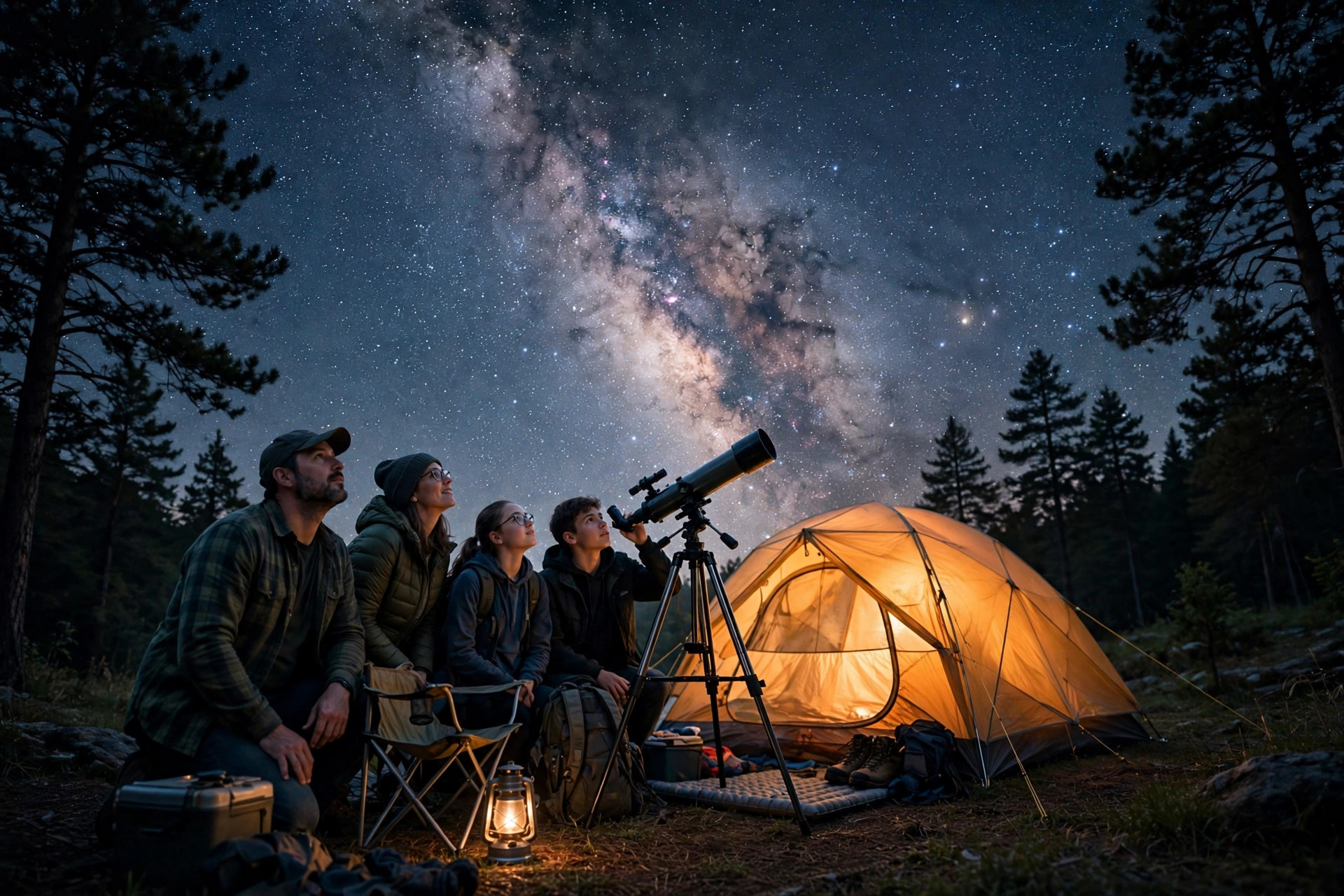
Evening is when camp comes alive for teens: the fire, the dark, the stars. Learn three constellations before the trip and point them out after dark with a free stargazing app (phone screens in night mode won’t wreck night vision much). Our constellation guide for families gives you the stories behind the stars — teens remember the mythology better than the astronomy.
Food, Comfort, and Sibling Peace
11. Feed them like athletes
Teens eat enormous quantities and get cranky when they don’t. Budget roughly 1.5x the food you’d plan for an adult, and stock easy grab-and-go snacks. Involve them in camp cooking: foil-pack dinners, Dutch oven pizza, and build-your-own taco nights let everyone eat what they like. A teen who cooked dinner complains far less about eating it.
12. Bring the comfort items that prevent complaints
A comfortable sleeping setup is worth more than any activity upgrade. A proper sleeping pad (not the thin foam mat from 2012), a warm-enough bag, a real pillow, and dry clothes waiting at camp eliminate 90% of grumbling. Cold teens are miserable teens — and warm ones are shockingly cheerful.
13. Manage the sibling dynamic
If you camp with mixed ages, give the teen a defined role with their younger sibling rather than leaving it vague. “Lead the scavenger hunt for your sister” works; “watch your brother” breeds resentment. Also protect the teen’s space: little siblings shouldn’t be allowed to raid the teen’s tent. Boundaries cut both ways.
Safety Without the Lecture
14. Cover the serious stuff early and briefly
Teens tune out lectures, so deliver safety info fast: campfire rules (keep a 10-foot kid-zone around the fire, never leave it unattended), what to do if they get separated on a trail (stop, stay put, blow a whistle), and wildlife rules for your area. Walk through these campfire safety rules for families together on the first evening — teens comply when they understand the why.
15. Talk through the “what ifs” before they’re needed
Agree in advance on simple protocols: check-in times when they wander, a whistle signal, and what to do if someone gets hurt. In bear country, teach them the food-storage rules as their own responsibility — the National Park Service camping page has solid guidance on safe campsite practices. Frame safety as competence (“here’s how experienced campers do it”) rather than fear.
Mindset Shifts That Change Everything
16. Treat them like adults on the trail
Nothing earns a teen’s respect faster than being treated as capable. Let them carry a share of the group’s gear, choose the route at a trail junction, and make decisions you can both live with. When they see you’re trusting them with real choices, the eye-rolling drops — being taken seriously is exactly what they want most.
17. Lower your expectations for year one
The first teen-era trip is a calibration run, not the dream vacation. Aim for “pleasant and survivable” rather than perfect. Trip two and three are where the magic happens, once they know what to expect and you’ve tuned the logistics. Many families report the turning point came around trip three — keep going.
18. Debrief and let them rate the trip
On the drive home, ask genuinely: what was the best part, the worst part, and what should change next time? Write it down. Teens who see their feedback shape the next trip start looking forward to it — and your planning gets sharper every year. This habit turns a one-off trip into a family tradition they’ll want to keep.
The Bottom Line
Camping with teenagers works when the trip respects who they are now: almost-adults who need privacy, challenge, real responsibility, and a say in the plan. Co-plan the trip, pick a campsite with activities they care about, negotiate screen rules in advance, give them genuine jobs, and protect their downtime. Do that, and you won’t just get them through the trip — you’ll get a teen who asks when the next one is. The US Forest Service camping guide is another solid resource for planning national forest trips with teens, covering reservations, bear safety, and campground etiquette.
Frequently Asked Questions
At what age do kids start enjoying camping again as teenagers?
Most parents report the sweet spot starts around ages 12–13, when kids can handle longer hikes and real responsibility. The transition years (11–14) are the hardest, since they’re outgrowing little-kid camping but not yet capable of full teen-style trips. Planning around their capabilities — as these tips describe — is what bridges the gap.
Should I let my teenager bring their phone camping?
Yes, but with agreed limits. Complete phone confiscation usually backfires and makes the trip feel like punishment. Better: allow the phone for photos, music, maps, and stargazing apps, set social-media-off windows during the day, and model the same behavior yourself. Negotiate the plan together before the trip, not at the campsite.
What if my teen refuses to go camping at all?
Start with leverage you already have: let them choose the destination, bring a friend, or tie the trip to something they care about (a concert city, a national park they’ve seen in videos, fishing or climbing). Keep the first trip short — one weekend, not a week. A short, well-planned trip that ends with “that wasn’t terrible” is a win you can build on.
How do I keep a teenager entertained at a campsite with no activities?
Avoid those campsites if you can. But if you’re committed to a quiet spot, bring the entertainment: a telescope or binoculars, a good hammock, a card game they like, fishing gear, and a planned adventure day (long hike, paddling trip) that becomes the trip’s centerpiece. One standout day carries a quiet trip.
Is glamping a better option for camping with teens?
For some families, absolutely — teens who balk at tents often love a cabin, yurt, or glamping tent with real beds. It removes the comfort complaints and lets everyone focus on the activities. The trade-off is cost and availability, so book early. The tips in this guide still apply: teens in glamping tents want independence, activity choices, and fair screen rules just the same.

1 comment
[…] Best for: Teens and tweens (9+) who want a more grown-up radio for bigger campgrounds and trail days. Not for: Young kids — the smaller buttons and menu display are harder for little hands. For more ideas on keeping older kids engaged outdoors, see our guide to camping with teens. […]