It’s Thursday evening. You’ve been daydreaming about s’mores all week, the kids are already packed, and the campground you wanted shows the dreaded two words: sold out. Before you cancel the trip, take a breath — finding last-minute campsite cancellations is easier than most families realize. People change plans, weather forecasts shift, and coveted sites pop back open every single day. You just need to know where to look, when to check, and how to grab a site before someone else does.
This guide walks you through the exact strategies seasoned campers use to score cancelled reservations at national parks, state parks, and popular campgrounds — even on summer weekends. With a little persistence and the right alerts in place, your family can still spend Friday night under the stars.
Why “Sold Out” Usually Isn’t Full
Here’s a secret campground hosts won’t advertise: reservation systems are designed to fill up fast, but human plans fall apart just as fast. Studies of recreation booking behavior consistently show that a meaningful share of reservations — often cited as 10 to 20 percent at popular parks — are cancelled or changed before the trip date.
Cancellations happen for all kinds of reasons:
- Weather worries: A 30% chance of rain is enough to make many campers bail.
- Group shrinkage: A family books three sites for a reunion, then Uncle Mark drops out and they release one.
- Double bookings: Overeager planners reserve two campgrounds for the same weekend and cancel the loser at the last minute.
- Schedule conflicts: Work trips, kids’ games, and sick toddlers wreck plans with zero notice.
The takeaway? A “sold out” campground on Monday can have open sites by Thursday. Your job is to be watching when they appear.
The Best Places to Find Last-Minute Campsite Cancellations
1. Recreation.gov and Its Free Availability Alerts
For federally managed campgrounds — national parks, national forests, and Army Corps of Engineers sites — Recreation.gov is the starting point. Most families search, see red “Unavailable” dots, and give up. Don’t be most families.
Click on any campground, then use the availability alert feature (the bell icon) to set notifications for your exact dates. The free built-in alerts email you when a site opens up. They won’t cover every scenario — alerts typically only fire when a site becomes available for the full duration you searched — so combine them with manual checks for the best results.
Pro move: search for partial dates too. If your three-night window shows nothing, search night-by-night. Grabbing two nights at one site and a third at another is still a weekend of camping, and switching sites mid-trip is far less painful than it sounds.
2. State Park Reservation Systems
State parks run on their own booking platforms — ReserveAmerica, Reserve California, ReserveAmerica-style state portals, and regional systems like those in Texas, Florida, and Washington. These are cancellation goldmines because they get less traffic than Recreation.gov, and their policies vary.
Many state systems show a waitlist or notify-me option. California’s ReserveCalifornia, for example, lets you sign up for notifications on specific parks. Florida State Parks releases new inventory on a predictable schedule — booking windows open 11 months out, and cancellations spike about 2 to 4 weeks before popular dates.
Book a state park you’ve never visited? Check nps.gov and the park’s official state page for the exact booking rules, because cancellation policies and alert features differ from park to park.
3. Cancellation-Alert Services and Apps
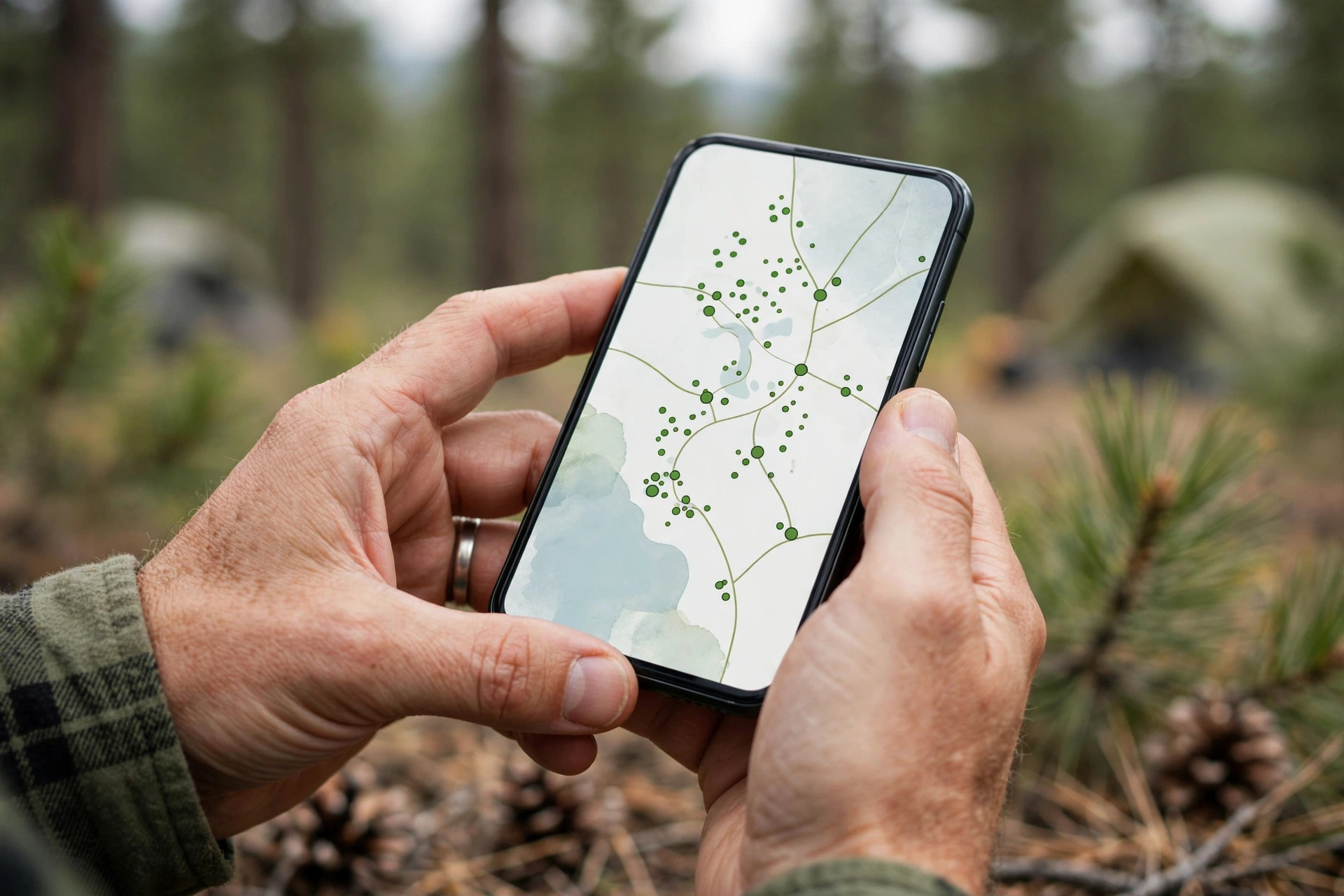
Several third-party tools monitor Recreation.gov and state systems around the clock, texting or emailing you the moment a site opens. The best-known is Campnab, which scans for cancellations at thousands of parks and sends instant notifications. Others include the Dyrt’s availability alerts, Hipcamp’s notifications for private land camping, and RoverPass for RV-specific sites.
These services are especially worth it for hard-to-get parks like Yosemite, Yellowstone, or Acadia, where a Friday-night site might be available for minutes — not hours. Set your alerts for the widest date range you can accept, and keep your phone notifications loud. When the text arrives, book first and celebrate second.
4. First-Come, First-Served Campgrounds
Don’t overlook the old-school option. Many national forests and parks still hold a portion of campsites as first-come, first-served (FCFS). No reservations, no alerts — just show up. Families with flexible schedules have a real advantage here: arrive Thursday evening or Friday morning, and you can often claim a site before the weekend rush.
Check the campground’s page for the FCFS policy and typical fill times. A good rule of thumb for popular FCFS loops: sites fill by noon on Fridays in summer, but midweek arrivals almost always find something. Keep a printed list of two or three backup FCFS campgrounds near your destination, so one full loop doesn’t end the trip.
When Cancellations Appear: Timing Matters
Cancellations aren’t random — they follow patterns. Knowing when to check dramatically improves your odds. Here’s what experienced campers report:
| Timeframe | Why cancellations spike | Your move |
|---|---|---|
| 7–14 days before the date | Planners lock in alternate plans and release the losing reservation | Set alerts early and check twice daily |
| 48–72 hours before | Cancellation policies often allow full refunds up to 48 hours out | Check morning and evening — this is peak season |
| The day before / day of | Weather flips, illnesses strike, cars break down | Refresh frequently; call the campground directly |
| Seasonal deadlines | Some parks auto-cancel unconfirmed or unpaid reservations | Watch for waves right after payment or check-in deadlines |
The golden window is early morning. Most people who cancelled overnight did so before bed, which means inventory updates while you’re asleep. A 6 a.m. check with a hot cup of coffee beats a noon scroll every time.
Your Weekend Game Plan: 9 Steps to Snag a Cancelled Site
Ready to put it all together? Here’s the exact routine to follow when you need a site this weekend:
- Pick your target parks. List 3–5 campgrounds within driving distance, ranked by preference. Flexibility doubles your odds.
- Check cancellation policies. Note the refund cutoff for each park — that’s when release waves happen.
- Set alerts everywhere. Turn on Recreation.gov notifications, state park notify-me features, and one third-party alert service.
- Search night-by-night. Don’t just search your full trip window; check individual nights too.
- Check at peak times. Early morning, lunch hour, and late evening are when new inventory typically posts.
- Call the campground directly. Hosts sometimes know about pending cancellations or no-shows that aren’t in the system yet. Be polite — they’re doing you a favor.
- Have your account ready. Be logged in to Recreation.gov and your state park portal with payment info saved. A 90-second delay can lose the site.
- Book fast, decide later. If a good site opens, reserve it immediately. Most systems allow free cancellation within a short window, so you can always reconsider.
- Keep checking after you book. If you grabbed a so-so site, keep your alerts live — a better one often opens closer to the date.
Tips for Families Booking Last-Minute Sites
Families have unique advantages when hunting cancellations — and a few extra things to watch for:
- Be flexible on site type. A tent-only walk-in site, a group site shared with another family, or an RV site you use for tents all work. Kids care about the campfire, not the site number.
- Watch the site details. Last-minute bookings are fast — but glance at the site’s notes for slope, shade, and proximity to restrooms before you commit. A steep site with toddlers is no bargain.
- Pack as if it’s happening. Keep your camp gear half-packed during the search. When a site opens Thursday night for Friday departure, you’ll be ready. Our camp kitchen setup guide makes packing day painless.
- Build the trip around the site. If you score a cancellation at a park you hadn’t considered, lean into it. Our free things to do at national parks guide will fill the days without spending a dime.
- Know the booking windows. Understanding when campsites open for reservations by state helps you set alerts at exactly the right moment next time.
What to Do When Nothing Opens Up
Sometimes the stars don’t align. Before you give up, try these backup plans:
- Dispersed camping: National forests and BLM land allow free camping outside developed campgrounds in many areas. Check the Recreation.gov page or call the ranger district for rules and maps.
- Private campgrounds and Hipcamp: Private land hosts on Hipcamp and similar platforms often have availability when public campgrounds don’t — and many are wonderfully kid-friendly, with animals, ponds, and play areas.
- Nearby gateway towns: A motel or cabin night on Friday, then pounce on Saturday-night cancellations. Weekend trips are often saved by a single opened site.
- Shift the trip: Sunday through Thursday nights are dramatically easier to book than Friday and Saturday. One midweek night of camping beats zero.
- Keep road trip costs in check: Chasing cancellations sometimes means extra driving. Our 2026 family road trip cost breakdown helps you budget the detour.
And remember: every “failed” search teaches you the system. Save your alerts, note which parks release the most inventory, and next time you’ll be faster than everyone else.
FAQs: Last-Minute Campsite Cancellations
How do I get notified of campsite cancellations?
Use Recreation.gov’s free availability alerts (the bell icon on any campground page), your state park system’s notify-me feature, and a third-party service like Campnab for round-the-clock monitoring. For the fastest results, combine all three and check manually in the mornings.
What time of day do campsite cancellations usually appear?
Early morning is the best time to check — overnight cancellations post while most people sleep. Cancellation waves also cluster 7–14 days before popular dates and again 48–72 hours out, when refund deadlines kick in.
Can I really get a campsite the same weekend at a popular national park?
Yes — it happens regularly. Cancellations spike in the 48 hours before arrival because of weather changes, illness, and schedule conflicts. Be flexible on the exact site and check frequently, especially in the morning, and your odds are surprisingly good.
Are cancellation-alert services worth paying for?
For high-demand parks like Yosemite, Yellowstone, or Acadia, yes — sites there can disappear within minutes, and a paid scanner texts you instantly. For less competitive state parks, the free built-in alerts on Recreation.gov and state portals are usually enough.
What should families check before booking a last-minute site?
Glance at the site notes for slope, shade, tent pad size, and distance to restrooms — speed matters, but a site that’s wrong for toddlers isn’t a win. Also confirm the maximum stay and check-in time so you don’t arrive to a locked gate.
Is first-come, first-served camping still a thing?
Absolutely. Many national forest and park campgrounds keep FCFS sites, especially outside the most famous parks. Arrive Thursday evening or early Friday for the best selection, and always have a backup campground in mind. Check REI’s camping resources for FCFS strategies and gear checklists.
