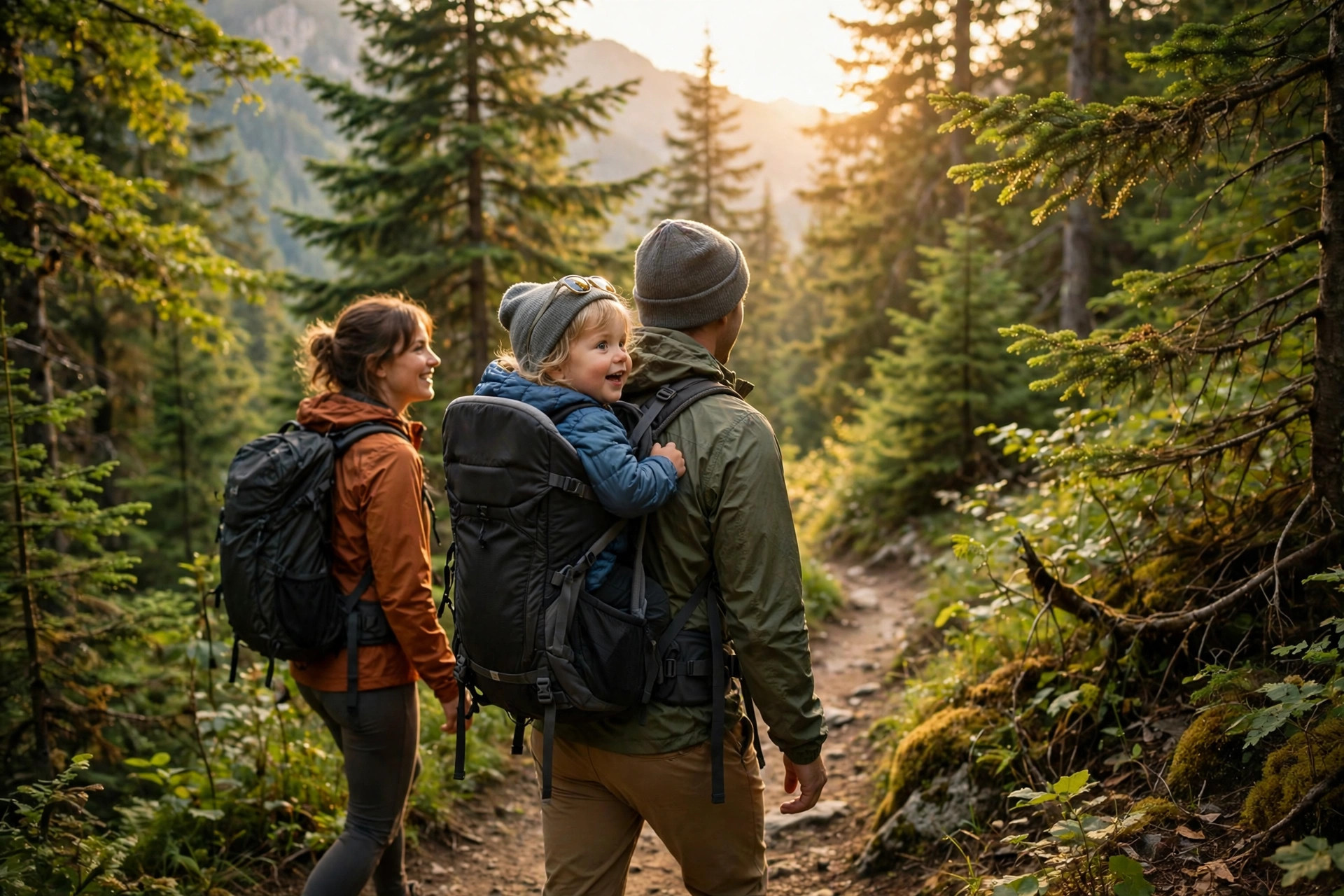
If you have ever tried hiking with toddlers, you already know the truth that no glossy trail magazine will tell you: the child sets the pace, the weather, the schedule, and the emotional tone of the entire trip. One minute you are dreaming of a five-mile ridge walk, and the next you are negotiating with a 26-month-old over a pinecone while the summit of your ambitions shrinks to a single switchback.
That is exactly why this guide exists. Instead of vague advice like “keep it short,” you are getting realistic trail distances by age — a chart built from pediatric activity guidelines, trail-running-family experience, and a healthy respect for how far little legs can actually go. Use it to plan hikes that end with smiles instead of meltdowns.
Why “Realistic” Is the Most Important Word in Hiking with Toddlers
Most hiking advice assumes an adult engine. Toddlers are not small adults. Between the ages of 1 and 4, children are still developing balance, endurance, thermoregulation, and — most importantly — attention span. A toddler who happily runs circles around the living room for an hour will often hit a wall 20 minutes into a hike, because a trail is stimulating, uneven, and full of novel distractions.
Over-ambitious mileage is the number one reason family hikes go sideways. The good news: when you plan within realistic limits, hiking with toddlers is genuinely joyful. Toddlers notice things adults walk right past — the beetle under the leaf, the way the creek sounds different at the bend, the perfect stick. Keep the distance honest, and the trail becomes a playground instead of an endurance test.
Trail Distance by Age: The Realistic Chart
The chart below assumes a healthy, typically developing child on a relatively easy, well-maintained trail with minimal elevation gain. Two numbers are given for each age: independent walking distance (the child’s own legs) and carrier distance (total trail miles with a structured hiking carrier, including ride breaks). These are one-way round-trip targets — in other words, plan the total hike to land at or under the number shown.
| Age | Walking distance (own legs) | Carrier distance (total trail) | Typical trail time |
|---|---|---|---|
| 12–18 months | 0.1–0.25 miles (in bursts) | 2–3 miles | 45–90 min |
| 18–24 months | 0.25–0.5 miles | 3–4 miles | 1–1.5 hrs |
| 2–3 years | 0.5–1 mile | 4–5 miles | 1.5–2.5 hrs |
| 3–4 years | 1–2 miles | 5–7 miles | 2–3.5 hrs |
| 4–5 years | 2–3 miles | 7–10 miles | 3–5 hrs |
12–18 Months: The Wobbler Phase
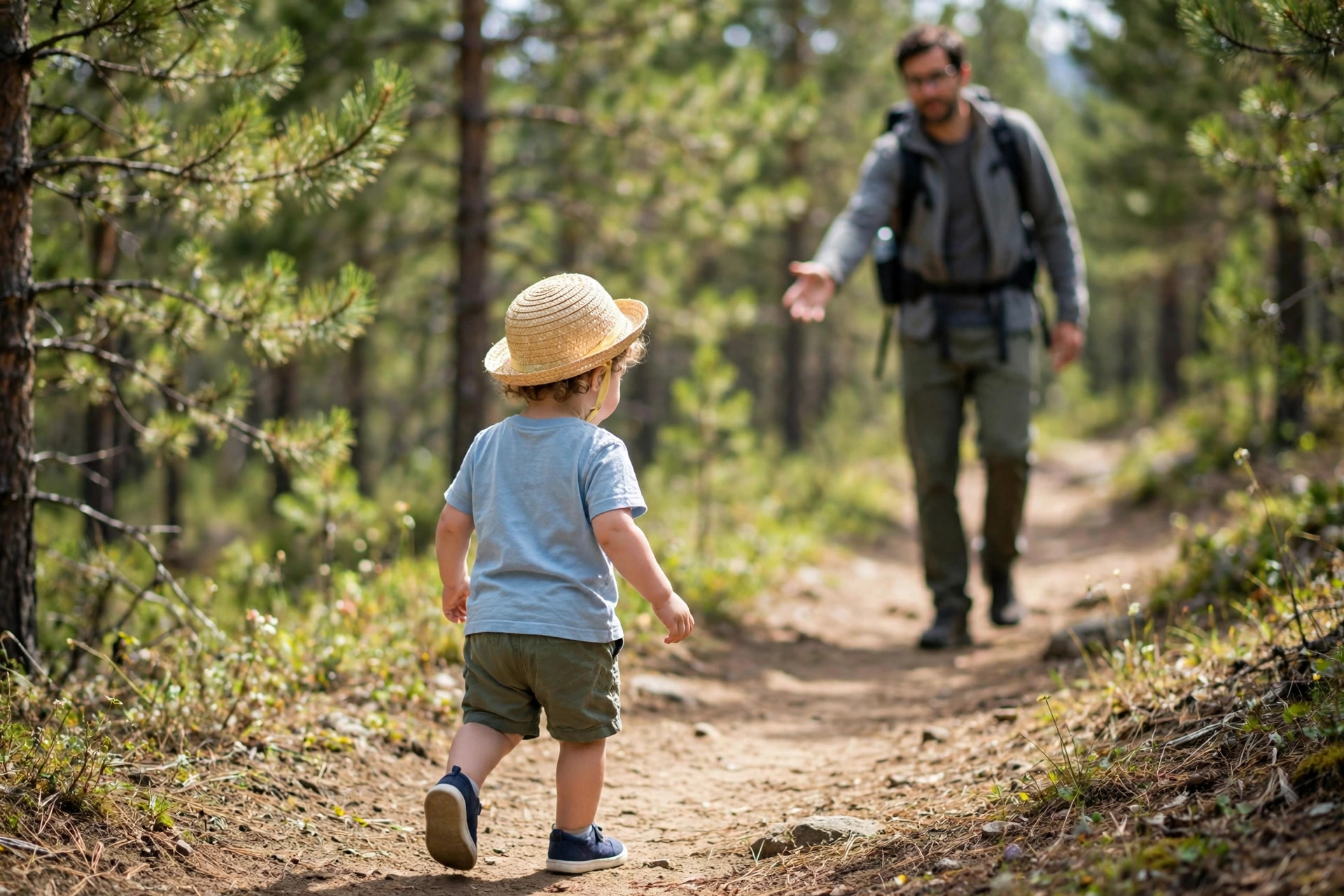
Newly walking toddlers cover ground in short, wobbly bursts of a few dozen yards at a time. They will walk, stop, crouch, pick something up, and sit down without warning. Plan on covering the trail almost entirely in a structured carrier, and treat walking segments as bonus entertainment rather than mileage. Bring the child out for 5–10 minute “walk breaks” at wide, flat spots on the trail, then reload into the carrier before frustration sets in.
18–24 Months: The Explorer Phase
Balance improves dramatically in this window, and many toddlers will insist on walking “myself!” — a request that should be celebrated, not corrected. Their range is typically a quarter to half a mile of total walking, broken into 5–15 minute segments. At this age, a toddler who refuses to ride anymore is a toddler who is about to get very tired; keep the carrier accessible and non-negotiable for the return leg.
Ages 2–3: The Big Leap
This is the golden age of toddler hiking. Walking endurance can jump from half a mile to a full mile or more over the course of a few months. Many two-year-olds will walk a full mile-long nature loop happily if it has a destination — a waterfall, a big rock, a bridge — to motivate them. Keep expectations flexible from week to week, though: a growth spurt, a skipped nap, or a new shoe can all reset the odometer overnight.
Ages 3–4: The Preschool Power Phase
Three-year-olds can surprise you. On a good day, with snacks and a buddy or sibling, many preschoolers will cover 1.5–2 miles of easy trail with minimal complaining. This is also the age when hiking games start to work: scavenger hunts, “find five red things,” and trail-bingo cards can extend attention span far beyond the legs themselves.
Ages 4–5: Almost Ready for Real Trails
By four and a half, many kids can handle 2–3 miles of moderate trail, including some elevation gain. This is the age to start introducing the idea of “destination hikes” — a lake, a lookout, a waterfall — and letting the child choose the trail from two parent-approved options. Ownership of the decision goes a long way toward morale.
Carrier Miles vs. Walking Miles: How to Read the Chart
The most useful way to use this chart is as a blended formula. A typical hike with a 2.5-year-old might look like this: 0.3 miles of enthusiastic walking, 1.5 miles riding comfortably in the carrier, a 20-minute snack break at the turn-around point, and another 0.3 miles of walking on the way back. Total trail distance: 2.1 miles. Total walking: 0.6 miles. Everyone happy.
Two factors change the numbers more than anything else:
- Elevation gain. Cut the chart’s walking distances roughly in half for trails with more than 500 feet of climbing per mile. Little legs burn out fast on sustained uphill.
- Heat. Above about 80°F (27°C), toddlers overheat much faster than adults because they have a higher surface-area-to-body-mass ratio. Shorten everything, double the water, and schedule for early morning.
For more on dressing kids for changing trail conditions, see our guide on how to keep kids warm while camping with a layering system that actually works — the same layering logic applies on chilly morning hikes.
7 Rules That Make Toddler Hikes Actually Work
Distance is only half the equation. These seven rules separate the hikes families remember fondly from the ones they remember as a cautionary tale.
- Start 60 minutes earlier than you think you should. Toddlers are at their best in the morning, and trail parking lots fill up fast. An 8:00 AM start buys you cool air, empty trails, and a child who is still fresh.
- Snack every 30–45 minutes, like clockwork. Do not wait for hunger cues. Toddlers bonk suddenly and dramatically. A steady rotation of snacks prevents the blood-sugar crash that ends hikes early.
- Build the hike around a destination, not a distance. A one-mile trail to a waterfall beats a two-mile trail to nowhere. Announce the destination and celebrate it loudly when you arrive.
- Let the toddler lead the pace — and the detours. Plan on covering one mile in roughly the time it takes an adult to cover three. The detour to inspect the mushroom is the point of the hike.
- Set a firm turn-around time, not just a turn-around point. If you are not at the destination by your predetermined time, head back. Afternoon naps and weather both wait for no one. The National Park Service’s Hike Smart guidance makes the same point for all hikers, and it applies doubly to families.
- Carry one more layer than you think you need — for you and for them. Weather changes, kids get sweaty then stop moving, and a chilled child ends hikes fast.
- Have a bailout plan for every hike. Know where the shortcuts are. An out-and-back trail is inherently bail-out friendly; a loop is not. Choose accordingly.

The Toddler Hiking Packing List
Our full family camping checklist covers overnight trips in detail; this is the day-hike version, tuned for little legs and short attention spans:
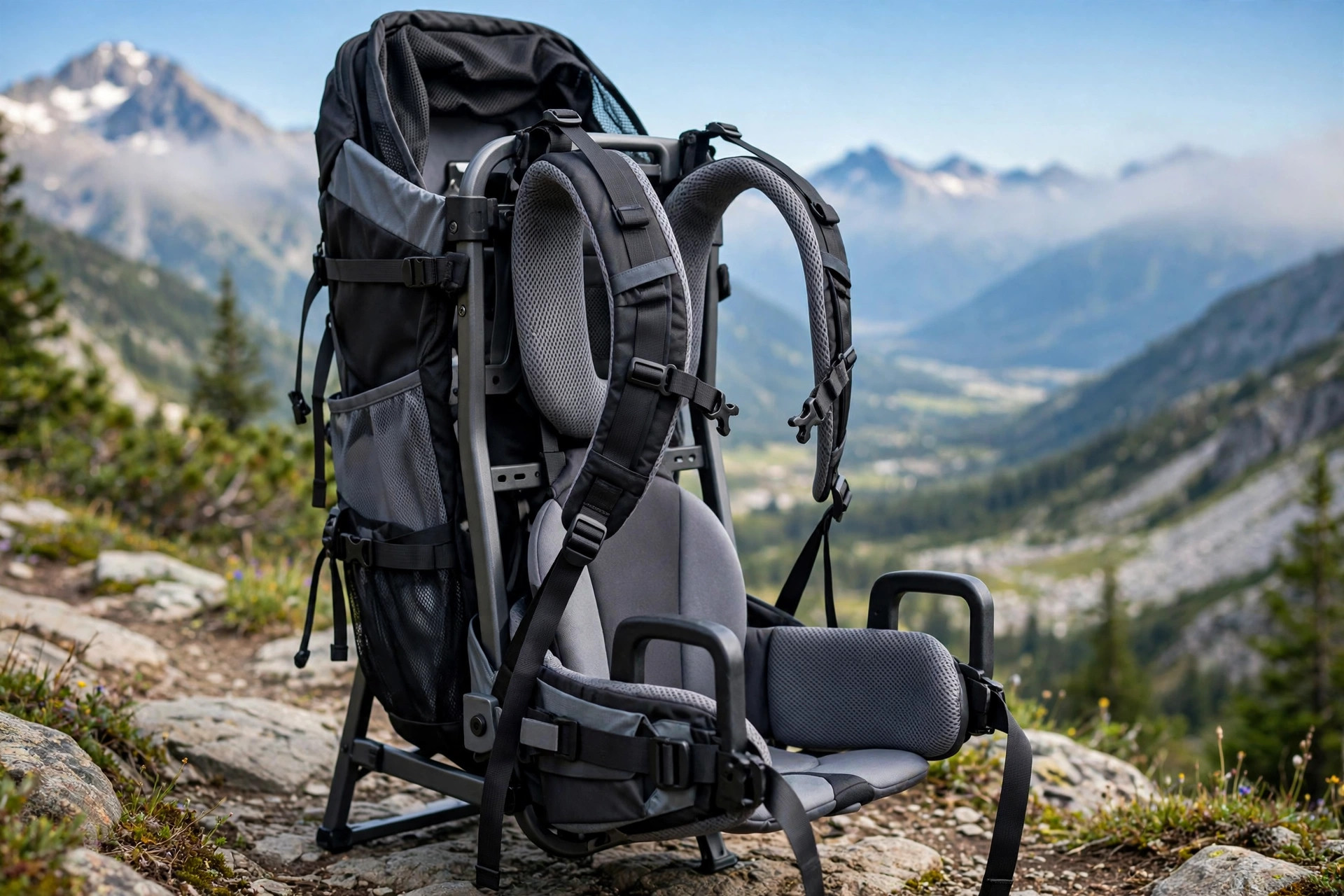
- Structured hiking carrier — for ages under 3.5, this is non-negotiable. Frame carriers distribute weight to your hips and give the child a shaded seat with a view.
- Water: 2 liters for the adult + 500ml per toddler. Add a hydration reservoir with a bite valve for yourself; toddlers do better with a spill-proof sippy bottle or soft flask they can manage.
- Snacks, layered: an immediate reward (fruit pouches), a morale snack (crackers, cheese), and an emergency bribe (something novel you saved on purpose). This is where a smart camp-kitchen mindset helps even on day hikes — organized food stations beat a chaotic bag.
- Sun protection: kid-sized hat, sunscreen, sunglasses if they will keep them on (most will not — bring them anyway).
- Spare clothes + 2 diapers (or a full change for potty-trainers). Pack them in a dry bag. Someone will sit in something.
- First-aid basics: bandages, antiseptic wipes, tweezers (splinters), children’s antihistamine, and any prescription meds. Tick checks after every hike in wooded areas.
- A small “treasure bag.” A zip-top bag where your toddler collects interesting rocks and leaves. It weighs nothing and buys you at least twenty minutes of trail cooperation.
How to Choose a Toddler-Friendly Trail
Not every trail deserves your toddler. Run candidates through this filter:
- Wide and well-maintained. Single-track cliff edges and scrambles are out. Look for former rail beds, nature-center loops, and lakeshore paths.
- Obvious destinations at the 0.5–1 mile mark. Waterfalls, overlooks, bridges, big trees — something worth announcing.
- Shade. Forested trails are dramatically better for toddlers than exposed ridgelines, especially midday.
- No serious water hazards at trail level. Toddlers are drawn to water like magnets. Choose trails where the creek is fenced, bridged, or well below the path.
- Cell service or a ranger station nearby. For your first few outings, stay within easy help range while you learn your child’s patterns.
Trail-finding resources like Recreation.gov list official trail details, closures, and permit requirements for national parks and federal lands — always check conditions before you drive out, since trail status changes with the seasons.
What to Do When the Hike Falls Apart
It will happen. A tantrum at mile 0.6. A refused carrier. A sudden downpour. Here is the honest playbook:
Rule one: never turn a tantrum into a power struggle on the trail
Sit down with them. Offer water and a snack. Wait it out. Most trail meltdowns are tiredness or hunger wearing a disguise, and ten minutes of calm rest fixes what thirty minutes of cajoling cannot.
Rule two: the carrier is a tool, not a punishment
If you framed the carrier all morning as “the baby seat,” a proud three-year-old will fight it. Instead, frame it early as the comfy rest option: “When your legs need a break, the magic chair is ready.” Keep one special carrier-only toy or snack in the pack so getting in feels like a reward.
Rule three: bail early and call it a win
Ending a hike at the 40-minute mark with a happy toddler beats finishing the loop with a screaming one. Every short, successful outing builds the positive association that makes the next hike longer. Families who hike with toddlers regularly — not heroically — are the ones whose kids still love the trail at age seven.
FAQs: Hiking with Toddlers
How far can a 2-year-old hike?
A typical 2-year-old can walk about 0.5 to 1 mile on easy, flat terrain, broken into several short segments with rests and snacks. With a structured hiking carrier for the riding portions, a total trail distance of 4–5 miles is realistic for a family outing.
Is hiking safe for a 1-year-old?
Yes, with precautions: use a properly fitted structured carrier (never a backpack-style carrier before the child can sit unassisted), stick to smooth, wide trails, protect against sun and insects, and keep outings under about 90 minutes. If you are combining hiking with overnight camping, review our newborn camping safety rules — many of the same principles apply to very young toddlers.
What age can a child hike without a carrier?
Most children can leave the carrier behind around age 3.5–4 for hikes under 2–3 miles, though many families keep a carrier in the car as backup until age 5. The transition depends more on the child’s stamina and temperament than on a birthday — let successful short hikes be your guide.
How do I keep a toddler entertained on the trail?
Turn the hike into a game: scavenger hunts (“find something smooth”), counting games, “I spy,” silly walking (stomping like a bear), and a treasure bag for collected finds. Singing trail songs and narrating the walk as an adventure (“we’re crossing the troll bridge now!”) work remarkably well for ages 2–4.
What should a toddler wear hiking?
The same layering system adults use, in miniature: a moisture-wicking base layer, an insulating mid-layer, and a weatherproof outer shell. Avoid cotton in cool weather. Sturdy closed-toe shoes with real tread beat sandals or sneakers on anything but paved paths.
Should I bring a stroller instead of a carrier?
Only on paved, wide, relatively flat paths — think park loops and lakefront promenades. All-terrain jogging strollers handle gravel paths, but anything with roots, rocks, steps, or narrow bridges requires a carrier. When in doubt, bring the carrier.
The Bottom Line
Hiking with toddlers works best when you trade ambition for honesty. Use the chart, plan for the child’s worst day instead of their best, start early, snack often, and pick trails with a destination worth celebrating.

1 comment
[…] you’re hiking with little ones, our guide to realistic trail distances by age for hiking with toddlers will help you pick a route that matches their stamina — and […]