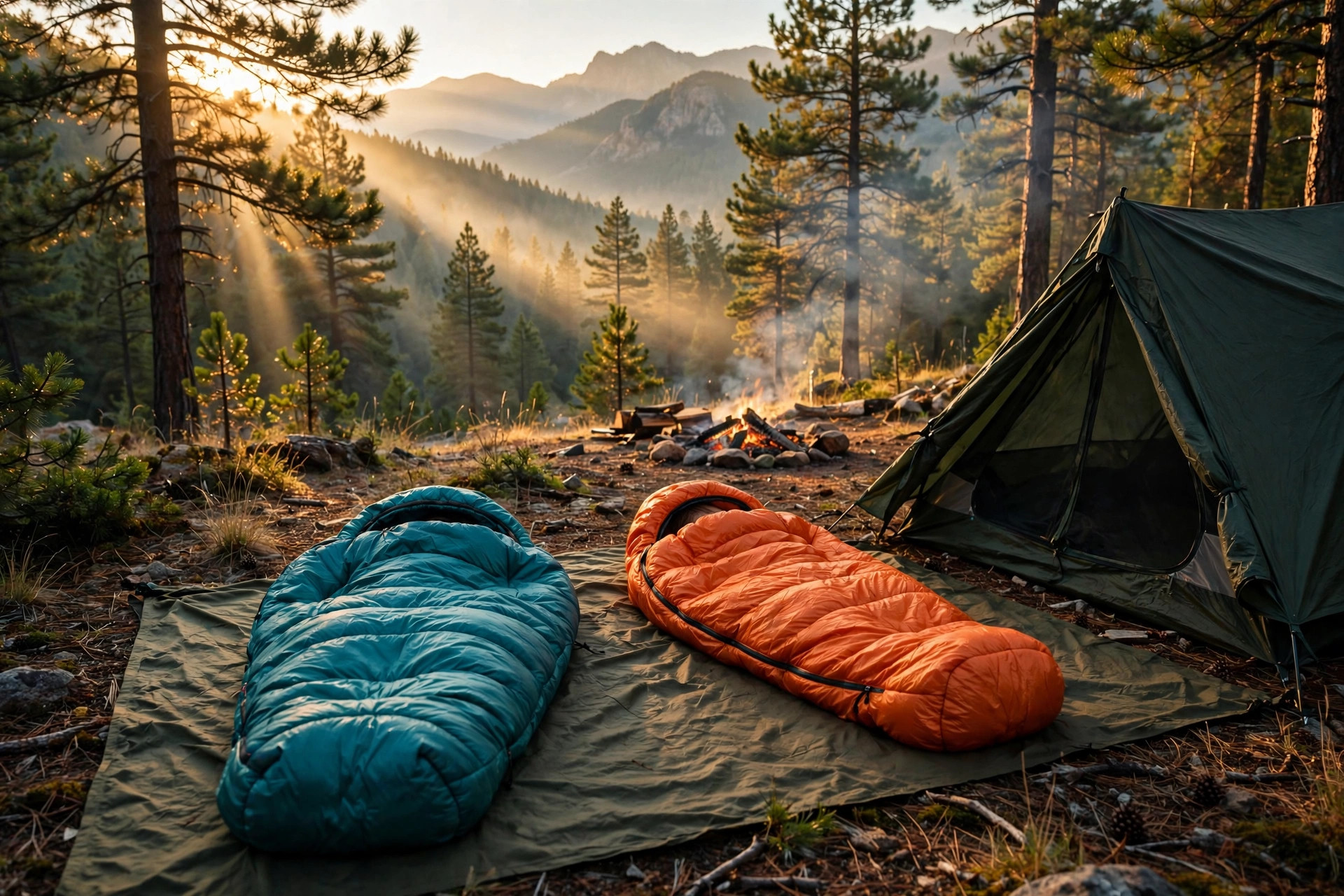
Picking the right kids’ sleeping bag is one of the most confusing gear decisions for camping families. A bag labeled “30°F” can feel fine on a 45°F night — or leave your child shivering at 50°F. The problem isn’t your child; it’s how sleeping bag temperature ratings are calculated, and the fact that those numbers were designed for an average adult man, not a 7-year-old. This guide breaks down exactly what temperature ratings mean, how to adjust them for kids, and how to choose a bag your child will actually sleep warm in.
If you’re building your full gear setup, our family camping checklist covers everything else you’ll need, and our family tent buying guide pairs perfectly with the sleeping advice below.
Why Kids’ Temperature Ratings Aren’t Just Small Adult Ratings
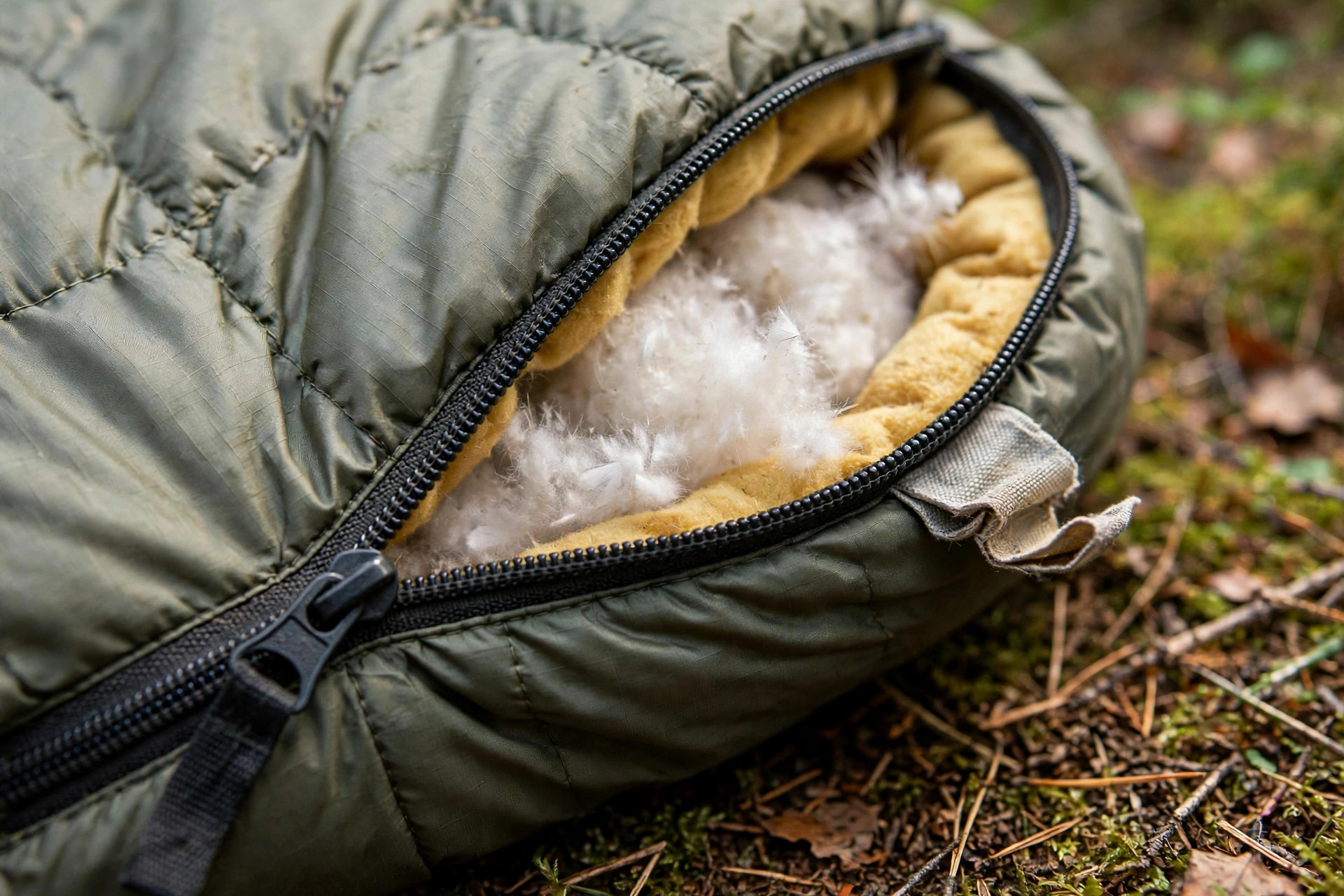
Almost every kids’ sleeping bag on the market carries a temperature rating printed on its stuff sack or tag. But here’s what most parents don’t realize: the vast majority of children’s bags have never been through independent lab testing. The EN 13537 / ISO 23537 test that produces the “comfort” and “limit” ratings on adult bags requires an expensive heated manikin procedure that many kids’ bags skip entirely.
That means a 30°F rating on a budget kids’ bag is often an estimate from the manufacturer, not a measured result. Add in the fact that children have a higher surface-area-to-mass ratio (they lose heat faster than adults) and lower overall body mass generating heat, and those printed numbers deserve a healthy dose of skepticism. The sections below show you exactly how to interpret them anyway.
What the Temperature Rating Actually Means
The EN/ISO Test, Explained Simply
For bags that are independently tested, a heated manikin wearing base layers lies inside the bag in a climate-controlled lab. Sensors measure heat loss at different air temperatures, and the results are converted into three standardized numbers. REI’s expert guide on sleeping bag temperature ratings gives a thorough rundown of this testing if you want the technical deep dive.
Comfort vs. Limit vs. Extreme
The three numbers you’ll see on a properly rated bag are:
- Comfort rating — the lowest temperature at which an average “cold sleeper” can sleep comfortably. For kids, this is the only number that matters.
- Lower limit rating — the lowest temperature at which an average “warm sleeper” can stay asleep in a curled position. For your child, ignore this number or treat it as dangerously optimistic.
- Extreme rating — a survival-only number. Your child should never be in conditions anywhere near this temperature.
Rule of thumb: when you buy a kids’ bag, read the comfort rating and then add 10–15°F as a safety buffer for a child. A bag with a 20°F comfort rating is realistically a 30–35°F bag for a kid — more on this adjustment below.
Kids’ Sleeping Bag Temperature Rating Chart
Use this chart as a quick reference. The “realistic for a child” column applies the comfort-first adjustment most parents need:
| Printed rating | Season | Best for | Realistic for a child |
|---|---|---|---|
| 40°F+ (summer bags) | Summer | Warm nights, indoor sleepovers | 55°F and above |
| 30–40°F | 3-season light | Late spring / early fall | 40°F and above |
| 20–30°F | 3-season | Most family camping | 30°F and above |
| 10–20°F | Cold 3-season | Fall shoulder season | 25°F and above |
| 0–10°F | Winter | Cold-weather camping | Teens only, with experience |
Kids Run Colder: How to Adjust Any Rating
The +10°F Rule
For children under 12, add 10°F (about 5–6°C) to the comfort rating before trusting it. Cold sleepers and kids under 6? Add 15°F. So if the forecast low is 45°F, shop for a bag rated to at least 30°F comfort. This buffer accounts for smaller bodies, restless sleeping that opens draft gaps, and the fact that kids won’t think to tighten a draft collar at 2 a.m.
Don’t Forget the Sleeping Pad
Here’s the secret most parents miss: a great sleeping bag on a terrible pad is a cold kid. Heat loss into the ground is the #1 cause of nighttime chill. Pair the bag with a sleeping pad with an R-value of at least 2.5 for three-season camping (4+ for shoulder seasons). The pad matters as much as the bag — if not more.
Mummy vs. Rectangular: Which Shape for Kids?
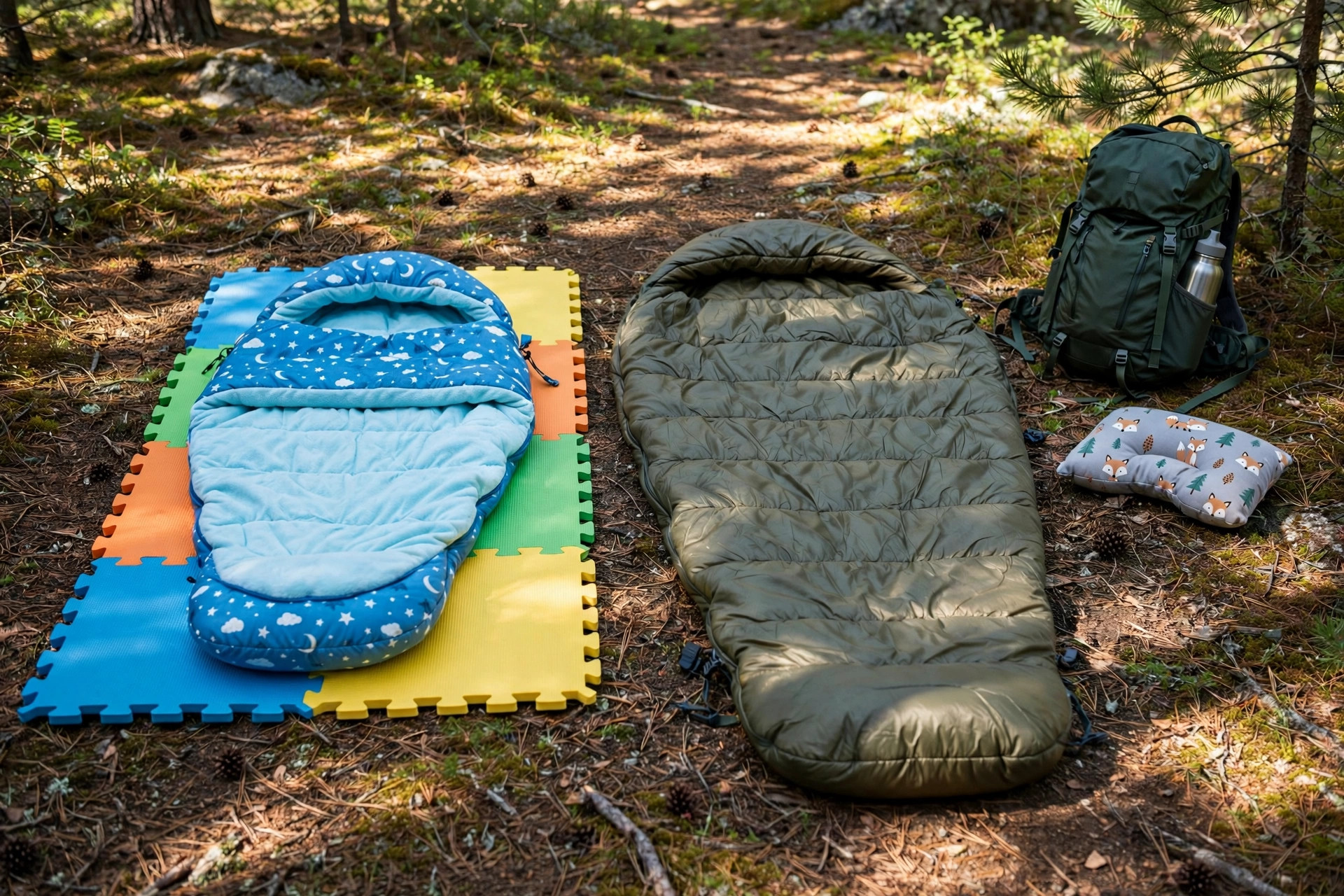
Mummy bags (tapered, with a hood) are warmer for their weight because there’s less dead air to heat — the better choice for fall and shoulder-season camping. Rectangular bags give restless kids room to sprawl and feel less claustrophobic, which can mean the difference between a child who sleeps and one who panics at bedtime. Many families find the sweet spot in a semi-rectangular kids’ bag: hood for warmth, wider cut for wiggle room.
Fit, Fill, and Fabric: What Actually Matters
- Fit: a bag that’s too big forces your child to heat empty space. Look for kids’ bags with an adjustable “grows with me” system that shortens the bag as they age.
- Fill: synthetic insulation (like Thermolite or recycled polyester) retains warmth when damp and survives washing — ideal for kids. Down is warmer and lighter but costly and miserable when wet.
- Shell fabric: look for ripstop polyester or nylon with a DWR coating; kids drag bags through dirt and dew.
- Zipper quality: snag-free two-way zippers let you vent on warm nights — a real feature on better kids’ bags.
- Draft collar and hood: even a simple drawcord hood cuts heat loss from the head dramatically.
Warmth strategy goes beyond the bag, too. Our kids’ layering system guide shows what they should wear inside the bag for maximum warmth.
Bedtime Routine: Getting the Most from Any Rating
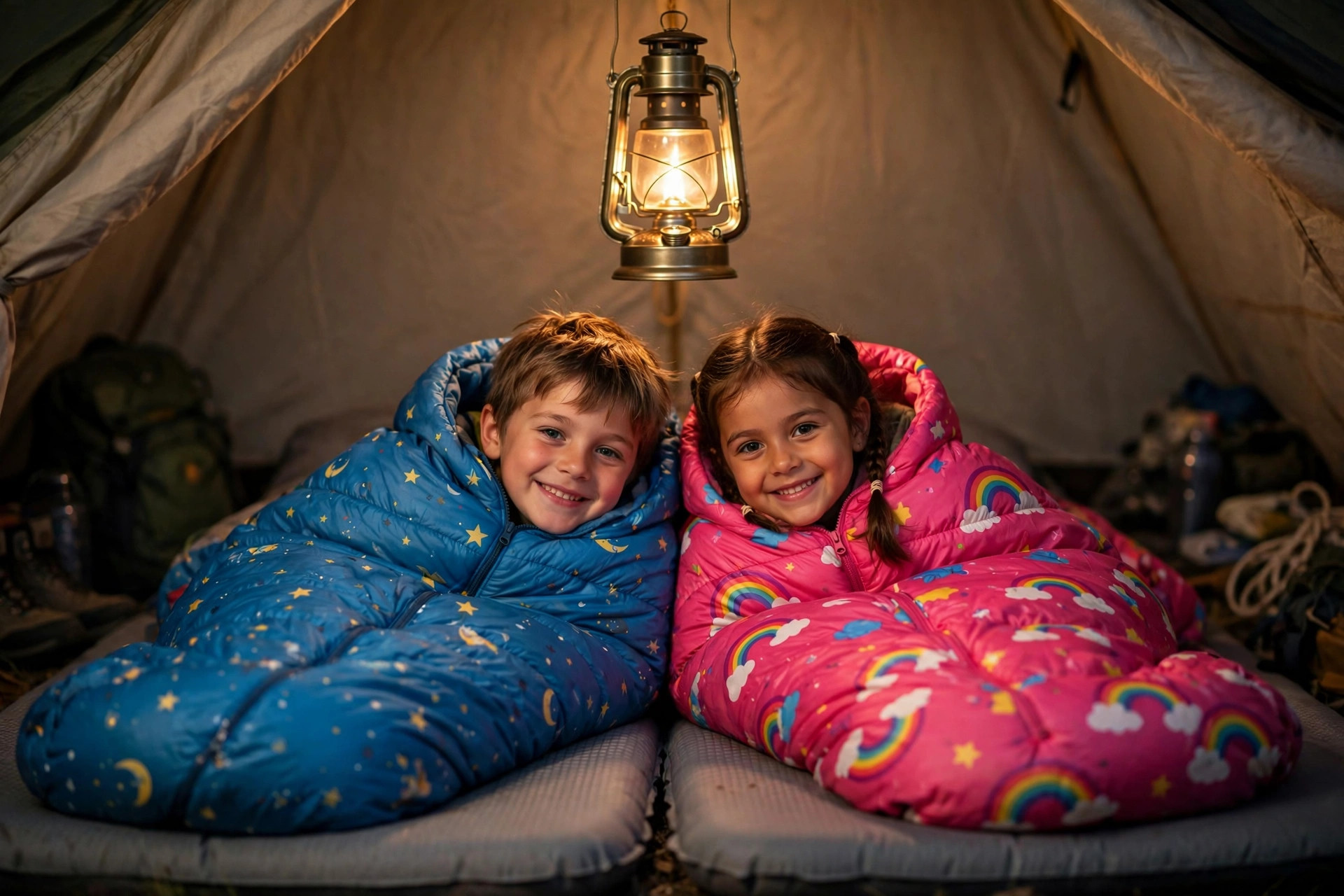
The rating assumes a dry, fed, warm sleeper. Help your child hit that assumption:
- Change into dry base layers at bedtime — never sleep in the clothes they played in all day.
- Warm up before bed with a hot drink or a quick lap around the campsite.
- Pee before bed — a full bladder makes the body feel colder, and midnight bathroom trips lose all that built-up warmth.
- Snug the hood around their face and cinch the draft collar so warm air stays in.
- Place tomorrow’s clothes inside the bag’s foot — they warm up overnight and dressing is less miserable.
Common Mistakes Parents Make
- Buying one bag for “all temperatures.” A single 20°F bag is sweaty in August and not enough for a frosty October. Two bags (a summer bag + a 3-season bag) cover 90% of family trips.
- Trusting the limit rating. Treat the comfort rating as the real number, then add your kid buffer.
- Skipping the pad. See above — a $20 foam pad can outperform a $150 bag upgrade.
- Zipping kids into adult bags. Too much dead air, zippers and hoods in the wrong places. Kid-sized bags exist for a reason.
- Forgetting the tent context. A well-chosen tent blocks wind and traps a few degrees of warmth — the whole sleep system works together.
When to Upgrade Your Child’s Bag
Kids outgrow bags fast. Time for a bigger or warmer bag when: their shoulders are near the top of the bag’s shoulder zone, the footbox is compressed (crushed insulation doesn’t insulate), or you’ve added 15°F of buffer and they’re still cold. For very young campers, read our camping with a newborn safety guide — infants have special sleep-safety rules that sleeping bags don’t apply to.
Ready to book a trip to test the new gear? The National Park Service camping page is the best starting point for family-friendly campground info, and sites open up at Recreation.gov — where last-minute cancellations can score you prime sites.
Frequently Asked Questions
What temperature rating does my child need for summer camping?
For summer nights that stay above 55°F, a bag rated 40°F or warmer is plenty. Apply the kid buffer: a 40°F comfort-rated bag works realistically down to about 55°F for a child.
Should I get a mummy bag or a rectangular bag for my kid?
Mummy bags are warmer; rectangular bags feel less restrictive. For most families, a semi-rectangular kids’ bag with a hood is the best compromise — warmth where it counts, room to move everywhere else.
Do kids really need a sleeping pad, or is the bag enough?
They absolutely need a pad. Ground conduction is the biggest source of nighttime heat loss. A pad with R-value 2.5+ for three-season camping makes a bigger comfort difference than upgrading the bag.
Can my child use an adult sleeping bag?
Not well. Adult bags leave too much empty space that a small body can’t heat, and the hood and draft features sit in the wrong places. Kid-sized bags (or youth bags for teens) fit properly and sleep warmer.
What should my kid wear inside the sleeping bag?
Dry base layers — merino wool or synthetic long underwear plus warm socks. Avoid cotton (it holds moisture) and never sleep in the day’s clothes. Our full layering guide has the details.
How do I wash a kids’ sleeping bag without ruining the rating?
Wash infrequently with a front-loading machine and mild soap, tumble dry low with clean tennis balls to restore loft. Store it uncompressed in a large storage sack — leaving it stuffed kills the insulation and the effective temperature rating over time.
The Bottom Line
Sleeping bag temperature ratings are a useful compass, not a GPS. Read the comfort rating, add 10–15°F for your child, pair it with an insulated pad, and nail the bedtime routine — and your kid will sleep warm through the night while you actually get to enjoy the campfire. That’s the whole point, after all.
