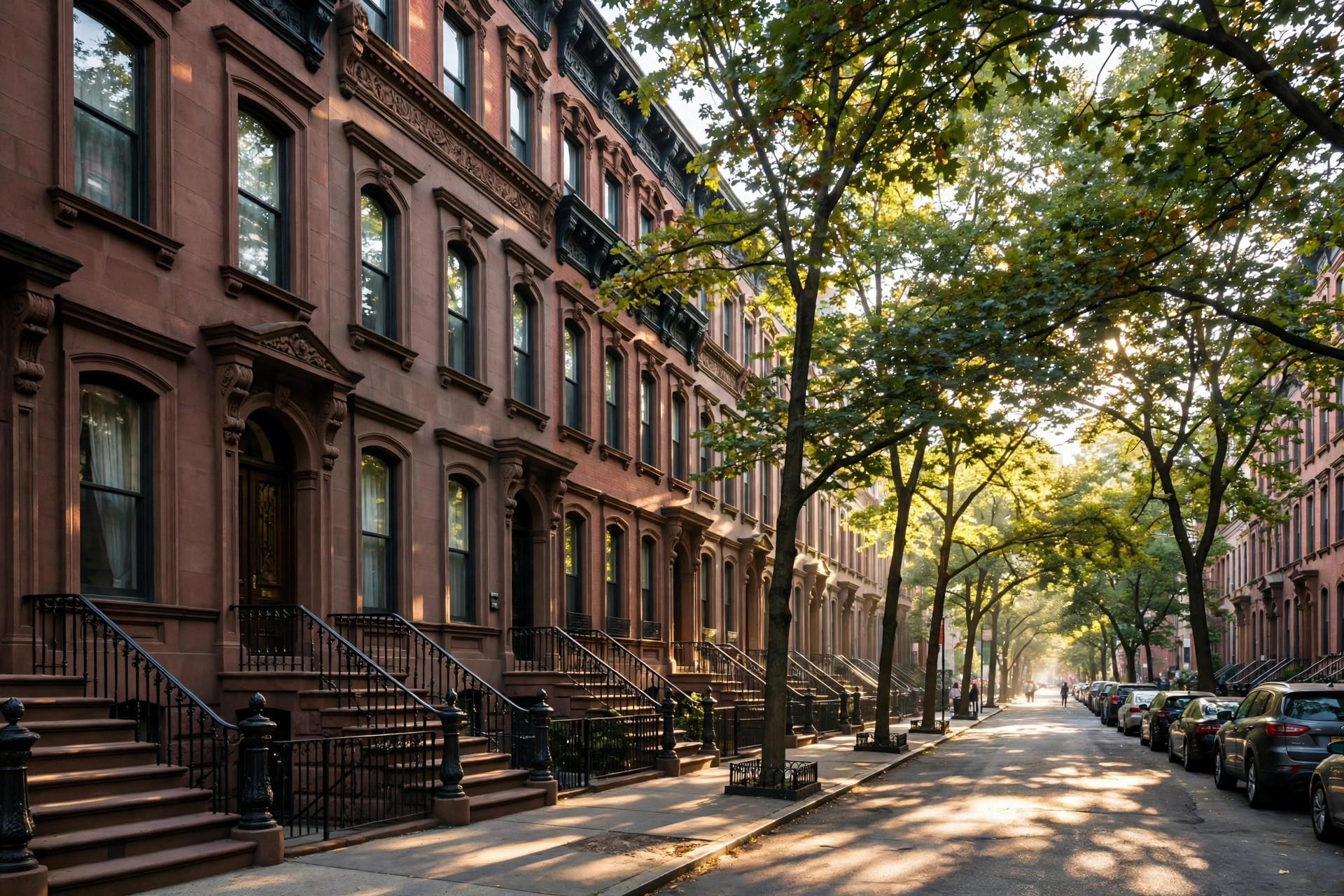
The Upper West Side is Manhattan’s most livable neighborhood — a tree-lined residential pocket squeezed between Central Park and the Hudson River, famous for brownstone townhouses, world-class museums, and some of the best bagels in New York City. It doesn’t have the flashy neon of Times Square or the chaos of downtown, but after living here for two years, I can tell you it’s where many New Yorkers themselves would choose to live — and it’s one of the most rewarding areas for visitors to explore slowly.
This guide covers everything: where exactly the neighborhood is, how to get around, the best things to do, where locals actually eat, a perfect one-day itinerary, and answers to the most common questions. Every recommendation below is somewhere I’ve personally been — no filler, no generic lists scraped from other guides.
Where Is the Upper West Side?
The Upper West Side (UWS) stretches from W 59th Street at Columbus Circle up to W 110th Street where it meets Harlem, with the Hudson River as its western edge and Central Park as its eastern border. The main avenues — Broadway, Amsterdam Avenue, and Columbus Avenue — are lined with pre-war buildings, independent shops, and the neighborhood’s best restaurants.
Unlike tourist-heavy areas downtown, the UWS keeps an authentic, lived-in feel: parents with strollers in Riverside Park, morning joggers around the Reservoir, regulars arguing about which bagel shop is best. That’s the charm — it feels like a real neighborhood that happens to sit in the middle of one of the world’s great cities.
Getting Around the Upper West Side
The neighborhood is exceptionally well connected, which is half the reason locals love it:
- 1/2/3 trains run up Broadway — the express 2/3 gets you to Times Square in about 15 minutes.
- B/C trains run along Central Park West — the 86th Street stop drops you right at the Natural History Museum, and 81st at the Met is a short park stroll away.
- Walking is the real joy here: it’s roughly 20 flat minutes from Columbus Circle to 96th Street, and Riverside Park’s four-mile path is perfect for bikes and scooters.
Driving? Don’t bother. Parking is scarce and expensive, and you’ll never see the neighborhood properly from a car window anyway.
The Best Things to Do on the Upper West Side
Central Park (the West Side Entrance)
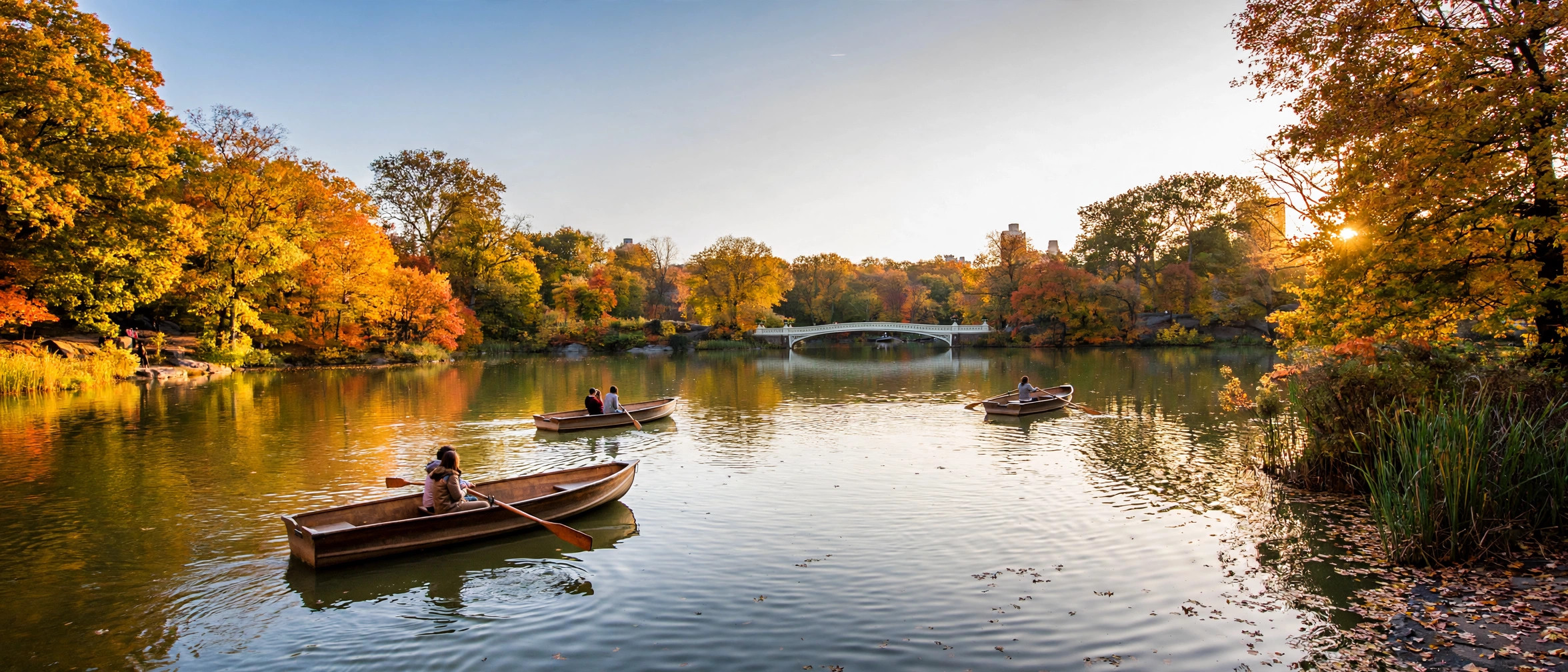
No visit is complete without entering Central Park from the west side. My favorite entrance is at W 90th Street, which drops you at the Jacqueline Kennedy Onassis Reservoir — a 1.58-mile running loop with some of the best skyline views in Manhattan.
Walk south to the Lake, where you can rent rowboats in summer (about $25/hour for up to four people — a classic NYC experience) or ice-skate at Wollman Rink in winter. Bethesda Terrace’s Angel of the Waters fountain has incredible acoustics in its arcade, and the cast-iron Bow Bridge remains one of the park’s most photographed spots. For a deeper city plan that includes the park, see my 5-day New York City itinerary.
American Museum of Natural History
At W 77th Street and Central Park West, this is the crown jewel of the UWS and one of the best family museums in the world. The dinosaur halls (with the towering T. rex), the Milstein Hall of Ocean Life with its life-size blue whale, and the Rose Center for Earth and Space are all worth hours.
Pro tip: New York residents can still pay what they wish at the ticket counter — just ask. For everyone else, buy timed tickets online in advance, especially on weekends and school holidays, when lines wrap around the block. The seasonal butterfly conservatory is a highlight if it’s open during your visit.
Lincoln Center
One of the world’s premier performing arts venues, home to the Metropolitan Opera, the New York Philharmonic, and the New York City Ballet. Even if you don’t catch a show, the plaza itself — especially the revamped David Geffen Hall area — is worth a walk-through in the evening.
Budget trick: Lincoln Center runs regular rush and lottery tickets for many performances, so world-class shows can cost less than a movie ticket if you’re flexible. If you’re heading to Midtown after, my Midtown NYC neighborhoods guide picks up right where this leaves off.
Tom’s Restaurant (the “Seinfeld” Diner)
Made famous by the 90s sitcom, Tom’s at Broadway and 112th Street served as the exterior of Monk’s Café. The interior is a totally normal, unchanged diner — the food is standard, the nostalgia is free. Pair it with a walk around nearby Columbia University (114th Street): the Beaux-Arts Low Library steps and College Walk are genuinely beautiful, and the campus calendar often lists free public lectures.
A few blocks north, the Cathedral of St. John the Divine offers vertical tours of its stone vaults — one of the most underrated experiences in upper Manhattan.
New-York Historical Society
Smaller than the big-name museums but excellent — rotating exhibitions on the city’s past, strong kids’ programming, and a research library full of archives. It pairs perfectly with the Natural History Museum across the street for a two-museum day, with a picnic in Theodore Roosevelt Park between them.
Grand Bazaar Flea Market
Running every Sunday since the 1970s at 100 W 77th Street, this is NYC’s oldest and largest flea market: 100+ vendors selling antiques, vintage clothing, jewelry, and genuinely unique souvenirs. Arrive before 11am for the best picks, and don’t be shy about bargaining — it’s expected.
Riverside Park
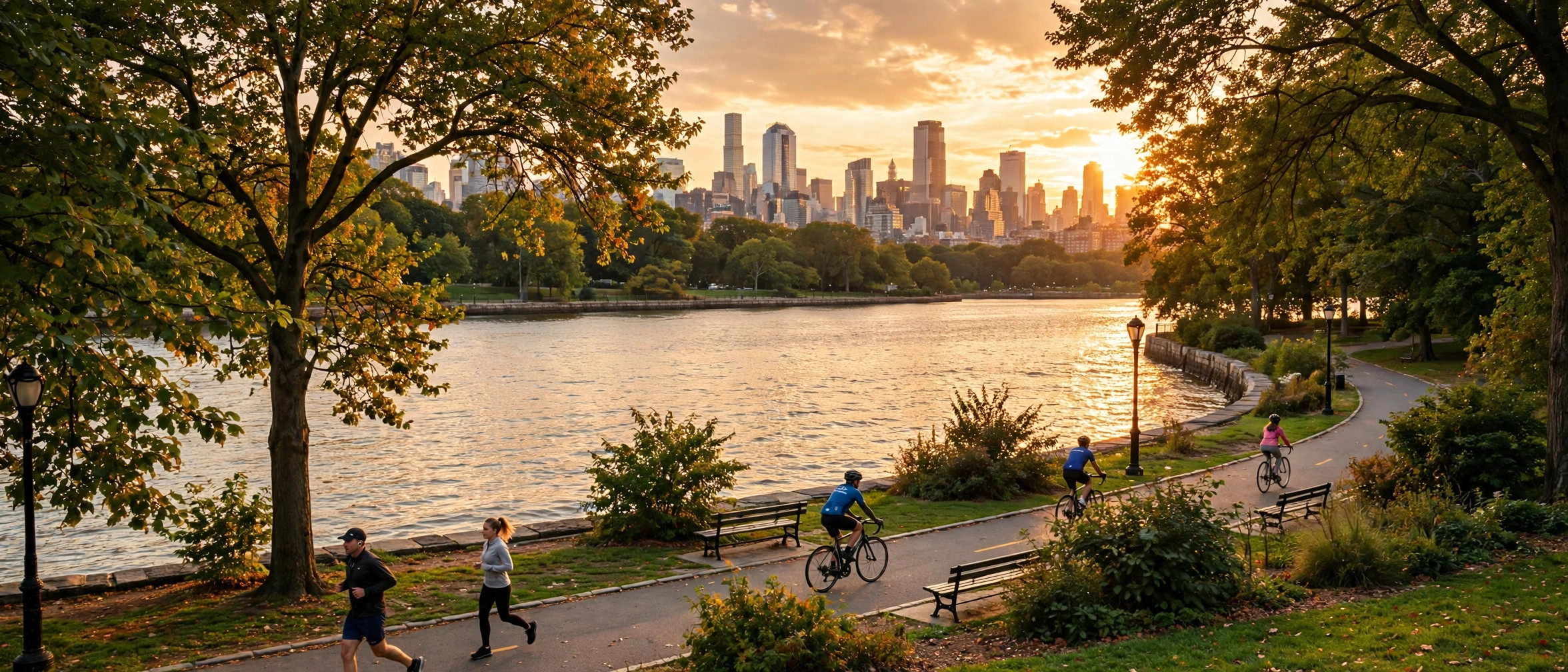
Designed by Frederick Law Olmsted (of Central Park fame), this four-mile ribbon along the Hudson is the neighborhood’s backyard. The dedicated bike path, tennis courts, and sunset views across the river to New Jersey make it the best evening walk on the UWS. Don’t miss the 79th Street Boat Basin or the Soldiers’ and Sailors’ Monument at 89th Street.
79th Street Greenmarket
Every Sunday, 9am–4pm, along Columbus Avenue between 77th and 81st Streets. Upstate farms bring seasonal produce, artisanal cheeses, fresh flowers, and baked goods. Spring and summer are peak season — come hungry, bring a tote bag, and go early for the best berries.
Theodore Roosevelt Park
The small park right beside the Natural History Museum — shady benches, a quiet locals-only vibe, and the perfect picnic spot between museum visits. Not worth a special trip, but invaluable when you’re museum-hopping on a hot day.
Where to Eat on the Upper West Side
The UWS won’t out-trend downtown on buzzy openings, but it wins on institutions — places locals have loved for decades. Here’s where to actually eat:
Bagels: Start at Zabar’s

The neighborhood’s large Jewish community perfected the bagel, and Zabar’s (Broadway at 80th) is the institution: family-owned since 1934, four generations, famous for gourmet smoked fish and artisanal cheese alongside what many consider NYC’s best bagels — boiled then baked, chewy, always fresh. Everything and sesame are the customer favorites. Go downstairs for the full deli experience, then upstairs for housewares.
Daily Provisions
Danny Meyer’s café at Amsterdam and W 78th serves what might be NYC’s best BEC (bacon, egg, and cheese) on a house-made roll, plus an excellent coffee program and a pastry case with remarkable crullers. Perfect for breakfast, brunch, or lunch — warm neighborhood vibe despite the corporate backing.
Levain Bakery
Tiny bakery (since 1995) with cult status for its half-pound chocolate chip walnut cookies — crispy outside, gooey inside, originally created by the triathlete owners as training fuel. Lines form daily; go mid-afternoon on a weekday for the shortest wait. One cookie genuinely feeds two people.
Shake Shack (Upper West Side)
The outpost at Columbus and 78th, right across from the Natural History Museum, serves the same burgers, crinkle-cut fries, and frozen custard concretes as the famous original. Order in the app to skip the line, then eat in Theodore Roosevelt Park — the ideal museum-day lunch, especially with kids.
Gray’s Papaya
Broadway and 72nd, unchanged since the 1970s: two hot dogs and a tropical drink for a few bucks — the best bargain meal in Manhattan. The papaya and banana juices are surprisingly good. The Gray’s vs. Papaya King debate rages on; I side with Gray’s for the retro vibe and better onions.
Parm
From the Major Food Group team, this fast-casual spot does Italian-American comfort food right — the chicken parm sandwich is legendary, and the fresh-mozzarella mozzarella sticks might be even better. Casual setting, big flavors, and a fun homage to old-school Italian delis.
For a different flavor of NYC dining, compare notes with my West Village guide and SoHo guide — the UWS is comfort food; downtown is where the trend-chasers go.
One Perfect Day on the Upper West Side
If you only have a single day, here’s how I’d spend it:
- Morning: Bagels and coffee at Zabar’s, then walk the Reservoir loop in Central Park.
- Late morning: American Museum of Natural History (dinosaurs + ocean hall, 2–3 hours).
- Lunch: Shake Shack via the app, eaten picnic-style in Theodore Roosevelt Park.
- Afternoon: Stroll Riverside Park down to the 79th Street Boat Basin; browse the Sunday Greenmarket or Grand Bazaar if it’s Sunday.
- Evening: Sunset walk along the Hudson, dinner at Parm or Daily Provisions, and a show at Lincoln Center if you can snag rush tickets.
Easy Day Trip: Hudson Valley
Got an extra day? The UWS is the easiest Manhattan neighborhood to escape from — Metro-North from nearby Grand Central reaches the Hudson Valley in about 90 minutes. Beacon makes a perfect counterpart: small-town Main Street, the Dia Beacon art museum, and Hudson River hikes, all a world away from the city bustle.
Upper West Side FAQs
Is the Upper West Side safe?
Yes — it’s one of Manhattan’s safest and most residential neighborhoods, popular with families. Standard city awareness applies at night, especially in the parks after dark.
Is the Upper West Side expensive?
It’s one of Manhattan’s pricier residential areas, and restaurants reflect that — but the parks, the Reservoir loop, window-shopping the brownstone blocks, and the Greenmarket are all free. Gray’s Papaya and the Greenmarket keep food costs very reasonable.
How many days do you need on the Upper West Side?
One full day covers the highlights (museums + parks + food). Two days lets you slow down: a second museum, the flea market, and a long Riverside Park sunset walk.
Upper West Side vs. Upper East Side — which is better to visit?
The UWS is more residential, relaxed, and family-friendly, with better parks access on the west. The Upper East Side has Museum Mile (the Met, the Guggenheim). If you love museums, do both — they’re a 20-minute walk apart through Central Park.
What’s the best time of year to visit?
Late spring (May–June) and early fall (September–October) are ideal — perfect park weather and the Greenmarket at its best. Summer brings rowboats and outdoor performances; winter brings ice skating and holiday lights, plus smaller museum crowds.
For the full city picture beyond this neighborhood, my 5-day NYC itinerary and Hell’s Kitchen guide (just south of the UWS) round out the trip.
Free Printable: 5-Day New York City Itinerary
After living in NYC for two years, I created a free, downloadable PDF 5-Day New York City Itinerary specifically for first-time visitors. Each day is condensed to a single printer-friendly page with timed schedules, subway directions, and insider tips — perfect for on-the-go reference.
The itinerary balances must-see attractions with hidden local favorites, complete with meal recommendations and photo-op locations. I’ve included alternate options for rainy days and money-saving tricks I wish I’d known earlier. Grab the free printable here.
