Three days in Tokyo is the perfect amount of time for a first visit — long enough to feel the city’s electric energy, wander through quiet shrines, eat your way through legendary neighborhoods, and still leave craving more. After years of exploring Tokyo, I’ve refined this 3-day Tokyo itinerary to balance must-see landmarks with slower local moments, without the exhausting pace that ruins so many short trips.
This plan works whether it’s your first time in Japan or a return visit. Each day is grouped by area so you spend less time on trains and more time actually enjoying the city. If you end up falling in love with Tokyo (you will), my Tokyo one-week itinerary shows you how to stretch the adventure even further.
3-Day Tokyo Itinerary at a Glance
| Day | Theme | Key Stops |
|---|---|---|
| Day 1 | Modern Tokyo — West Side | Meiji-jingu Shrine, Omotesando, Shibuya, Ebisu, Roppongi Hills |
| Day 2 | Traditional Tokyo — East Side | Senso-ji Temple, Ueno, Edo-Tokyo Museum, Ginza |
| Day 3 | Imperial Center & Shinjuku | Imperial Palace East Gardens, Shinjuku, Golden Gai |
Day 1: Modern Tokyo — West Side
Morning: Meiji-jingu Shrine and Omotesando
Start at Harajuku Station on the JR Yamanote Line and walk straight into one of Tokyo’s most peaceful surprises. Meiji-jingu Shrine, set in a 700,000-square-meter forest of planted cypress trees, feels like stepping into another world just minutes from the crowds. Arrive before 9 AM for the quietest experience — the gravel paths, giant wooden torii gate, and rows of sake barrels are magical in the soft morning light. Entry is free.
From the shrine, walk down Omotesando, Tokyo’s elegant tree-lined avenue of high-end boutiques, architecture showpieces, and excellent cafes. This is a lovely contrast to the shrine’s forest: glass-and-steel flagship stores, the zigzagging Tokyu Plaza with its mirrored entrance, and side streets full of design shops. Don’t miss the Nezu Museum just off Omotesando — its intimate Japanese garden with a teahouse pond is one of the city’s best-kept secrets, and it rarely has crowds.
Afternoon: Shibuya and Ebisu
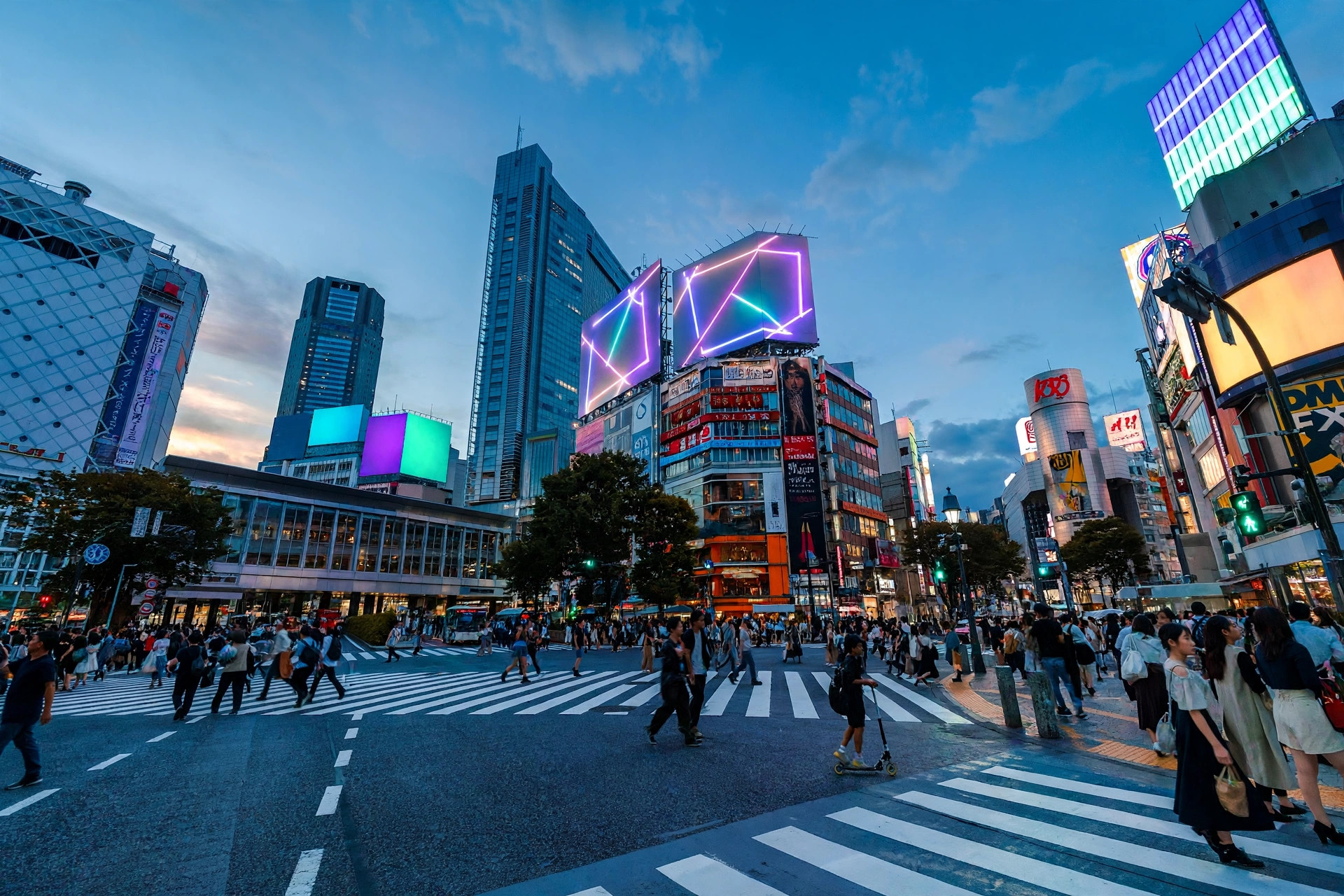
Head to Shibuya for lunch and the world’s most famous intersection. The Shibuya Crossing sees up to 3,000 people cross at once during peak times. The classic viewing spot is the second-floor windows of the Starbucks in Shibuya Tsutaya, but for a real wow moment, head up to Shibuya Sky — the rooftop observation deck on top of Shibuya Scramble Square with a sweeping 360-degree view of the city (book tickets online in advance; sunset slots sell out).
Next, take the Yamanote Line one stop to Ebisu, a favorite local neighborhood for food. The basement depachika (department store food hall) below Ebisu Station is perfect for snacking through your afternoon — beautifully packaged desserts, wagyu buns, and fresh sushi to go.
Evening: Roppongi Hills
Take the Hibiya Line to Roppongi and ride the elevator up Mori Tower to the 52nd-floor Tokyo City View observation deck. On a clear day you can see Mount Fuji on the horizon; at night, the city lights stretch forever. Have dinner in Roppongi Hills’ restaurant district, then ease into Tokyo’s nightlife — Golden Gai in Shinjuku is even better for this (Day 3), but Roppongi is a lively warm-up.
Day 2: Traditional Tokyo — East Side
Morning: Senso-ji Temple and Asakusa
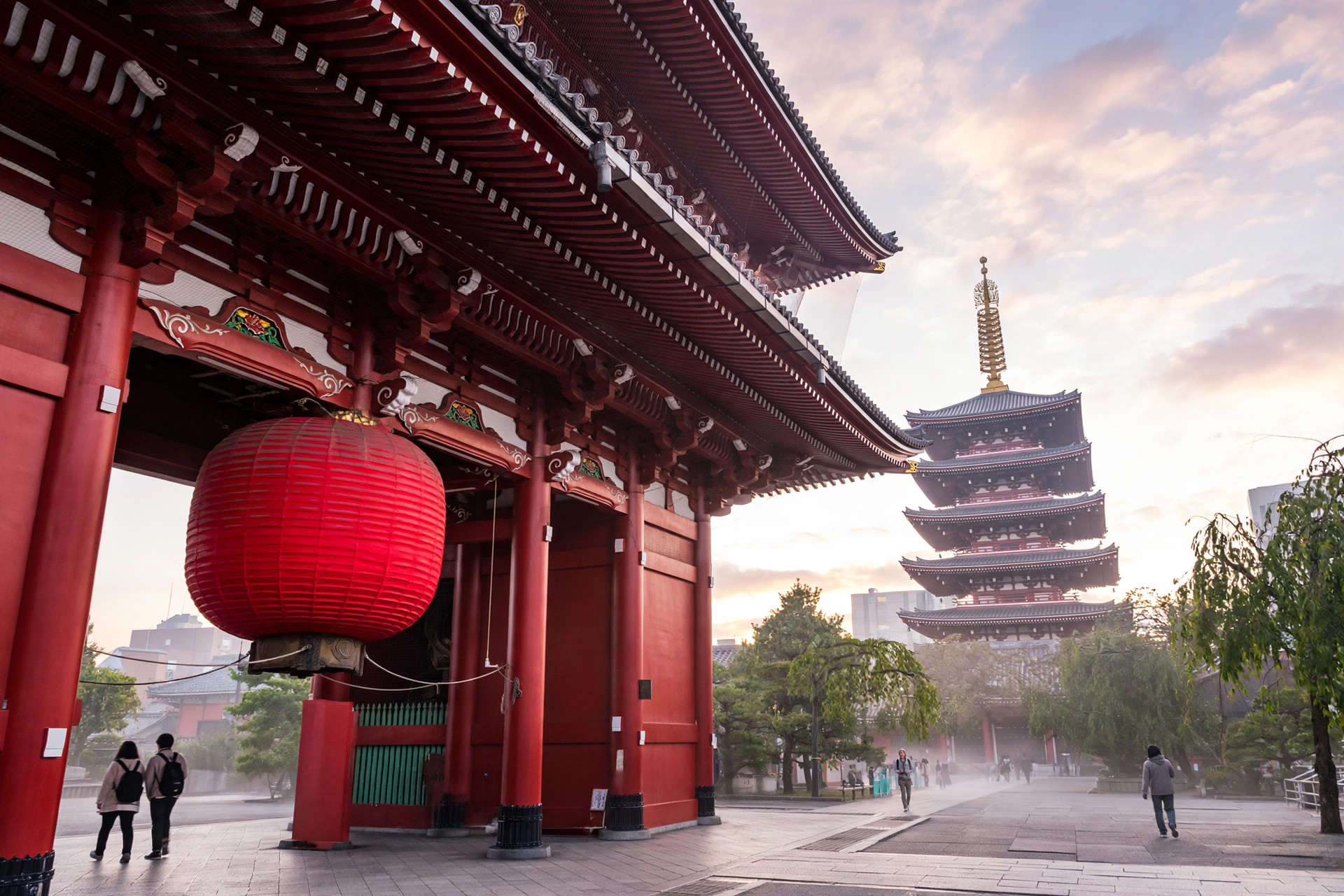
Beat the crowds by arriving at Senso-ji Temple — Tokyo’s oldest and most famous Buddhist temple — by 8 AM. Walk through the giant red lantern of the Kaminarimon Gate and down Nakamise Street, where small stalls sell ningyo-yaki cakes and traditional snacks before the tour buses arrive. The temple grounds are open 24 hours and admission is free; the peaceful early-morning atmosphere is a completely different experience from midday.
Nearby Asakusa-jinja Shrine, tucked on the temple’s east side, survived both the 1923 earthquake and WWII bombing and is a quieter stop. From Asakusa, take the Ginza subway line to Ueno and visit the Tokyo National Museum in Ueno Park — Japan’s oldest and largest museum, with an extraordinary collection of samurai armor, ukiyo-e prints, and Buddhist sculpture. (Most Ueno museums are closed on Mondays, so plan accordingly.)
Afternoon: The Reopened Edo-Tokyo Museum
Here’s a highlight worth planning around: the Edo-Tokyo Museum in Ryogoku reopened in March 2026 after a four-year renovation. Its full-scale reconstructions of Edo-period streets, detailed city models, and immersive new exhibits make it one of the best ways to understand how Tokyo became Tokyo — and the ¥800 admission is a bargain for two to three hours. See the museum’s official site for current hours and exhibition calendars, and note it’s closed on Mondays.
On your way back, stop at Tokyo Station — not just for trains, but for the food. The station’s underground passages hold entire streets of ramen shops, character stores, and department-store basements. Then take a relaxing stroll through Hibiya Park, Tokyo’s first Western-style park, a calm green pocket before dinner.
Evening: Ginza
Finish Day 2 in Ginza, Tokyo’s polished upscale district. Even if designer shopping isn’t your thing, Ginza is worth an evening: beautifully lit storefronts, basement food halls, and some of the city’s best sushi counters. For a splurge-worthy but approachable dinner, book a standing sushi bar or an izakaya under the Yurakucho train tracks (Gado-shita), a five-minute walk away.
Day 3: Imperial Palace Area & Shinjuku
Morning: Imperial Palace East Gardens
Start at Tokyo Station and walk to the Imperial Palace East Gardens — free to enter and a serene mix of manicured lawns, Edo Castle ruins, and seasonal flowers. Note the gardens are closed on Mondays and Fridays, so swap this day’s plan if needed. The adjacent Kitanomaru Park is a lovely extension, though I’d skip the Yushukan war museum unless Japanese military history is a specific interest.
Afternoon: Shinjuku
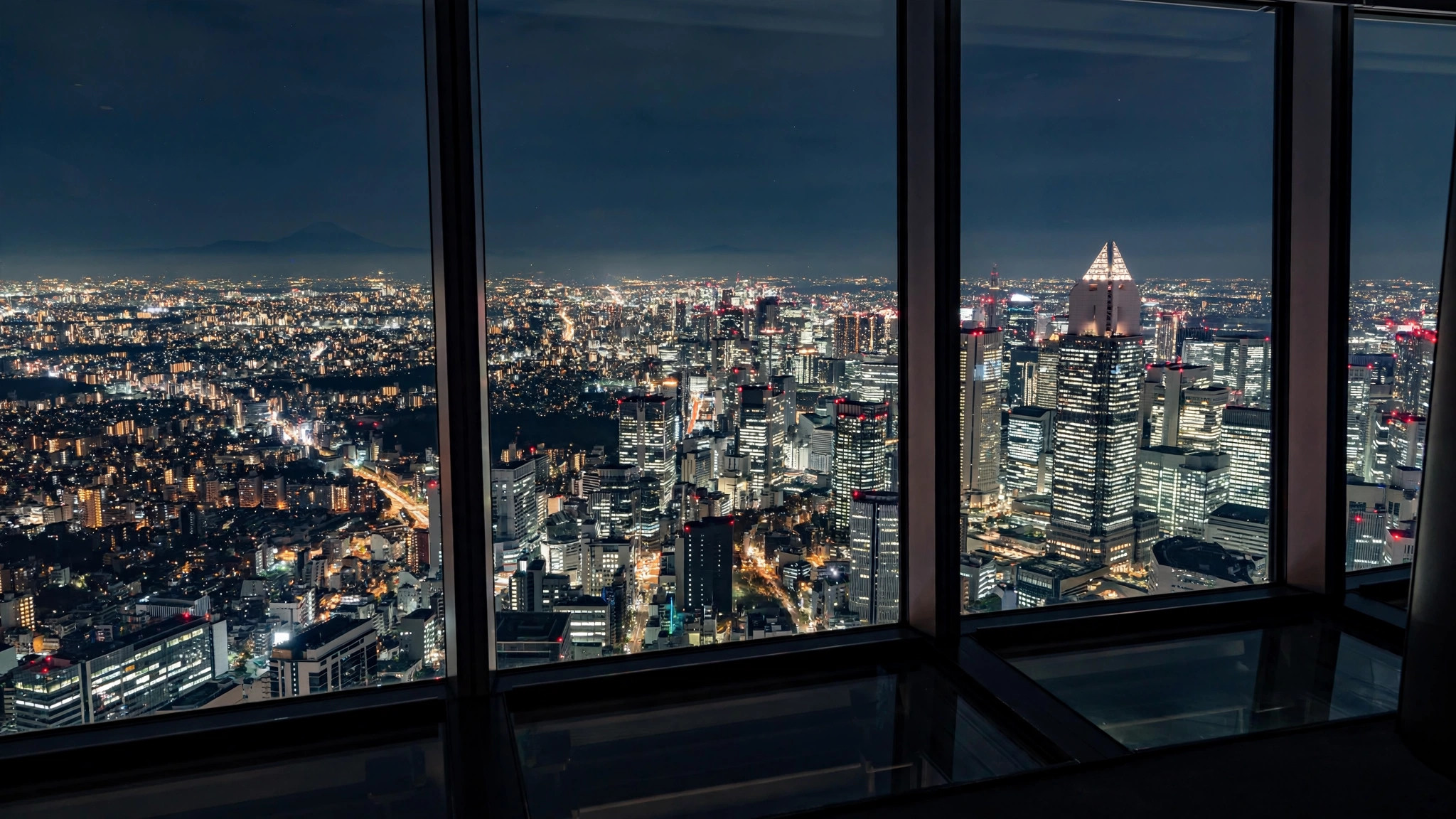
Take the subway to Shinjuku, the busiest train station on the planet. Start at the Tokyo Metropolitan Government Building — its twin observation decks on the 45th floor are completely free and open daily, offering panoramic views that rival paid decks (and on clear winter days, Mount Fuji). Then explore: the neon chaos of the East Side, the calm of Shinjuku Gyoen National Garden (¥500 entry, one of Tokyo’s most beautiful parks), and department stores like Isetan for last-minute souvenirs.
Evening: Golden Gai
End your three days with Tokyo’s most atmospheric night out: Golden Gai, a warren of tiny alleyways packed with over 200 miniature bars, most seating six to eight people. It’s intimate, eccentric, and unlike anywhere else in the world. Check out my deeper Golden Gai and Piss Alley guide for bar etiquette, cover charges, and which alleys to explore first. Have your final dinner in Shinjuku, Shibuya, or Ginza — and don’t leave without trying one tiny bar’s karaoke machine.
Where to Stay in Tokyo
For a 3-day trip, stay somewhere central with direct airport and Yamanote Line access — it saves an hour a day versus a cheaper outlying hotel:
- Shinjuku: best all-round base — great nightlife, dining at every hour, and easy subway connections everywhere.
- Shibuya: youngest and trendiest, ideal if your energy peaks after dark.
- Tokyo Station / Ginza area: quieter and polished, with the fastest airport access (Narita Express and Limousine buses leave from here).
- Ueno: best budget option — hostels and business hotels near the park and museum cluster.
Getting Around Tokyo
You do not need a Japan Rail Pass for three days in Tokyo alone — it’s designed for long-distance travel and won’t pay off inside the city. Instead, get an IC card: the Suica or Pasmo. You can now add a digital Suica to your iPhone’s wallet before you even land, tap in and out of every train, subway, bus, and convenience store, and never touch a ticket machine. The JR Yamanote Line loop connects nearly everywhere on this itinerary; the Tokyo Metro’s 24/48/72-hour passes are also good value if you’re subway-heavy.
From the airports: From Narita, the Keisei Skyliner reaches Nippori in about 40 minutes; the Narita Express goes direct to Tokyo Station, Shinjuku, and Shibuya in about an hour. From Haneda, the Tokyo Monorail or Keikyu Line reaches central Tokyo in 15–30 minutes. Airport limousine buses are slower but drop you at major hotels with your luggage in tow.
How Much Does 3 Days in Tokyo Cost?
Tokyo can be surprisingly affordable — or wildly luxurious. Rough daily ranges per person (2026 prices):
- Budget: ¥12,000–18,000/day — hostel or business hotel, convenience-store breakfasts, ramen and gyudon meals, walking-heavy sightseeing.
- Mid-range: ¥25,000–40,000/day — comfortable hotel in Shinjuku or Shibuya, sit-down lunches and dinners, a paid observation deck or two, metro passes.
- Splurge: ¥60,000+/day — upscale hotel, omakase sushi, private guides, teamLab and theater tickets.
Many of the best experiences in this itinerary — Meiji-jingu, Senso-ji, Shibuya Crossing, the free observation deck, the East Gardens — cost nothing at all.
Best Time to Visit Tokyo
Cherry blossom season (late March to early April) and autumn foliage (November) are Tokyo’s most beautiful windows — and its most crowded, so book hotels early. May and October offer mild weather with thinner crowds, making them my picks for a 3-day trip. Summer is hot, humid, and rainy-season-adjacent; winter brings crisp clear skies (and the best Mount Fuji views from observation decks) with the fewest tourists.
Tokyo Travel Tips
- Cash is still useful: credit cards are widely accepted now, but small ramen shops, shrine stalls, and Golden Gai bars are often cash-only. Withdraw yen at 7-Eleven ATMs, which take foreign cards.
- Learn basic etiquette: don’t eat while walking, keep your voice down on trains, and hand cash on the tray rather than directly — small things that go a long way.
- Start early: temples, shrines, and popular spots like teamLab and Shibuya Sky are far less crowded before 9 AM or after 6 PM.
- Stay connected: rent a pocket WiFi or buy an eSIM before arrival — free WiFi is patchy, and you’ll rely on maps constantly.
- Wear comfortable shoes: you’ll easily walk 15,000–20,000 steps a day. This itinerary is built around walking.
- Check closure days: many museums close Mondays; the Imperial Palace East Gardens close Mondays and Fridays. Plan around these before you lock in your day order.
Tokyo 3-Day Itinerary FAQ
Is 3 days enough for Tokyo?
Yes — three full days covers Tokyo’s greatest hits without rushing, especially with an area-grouped plan like this one. You’ll leave with a real feel for the city. That said, most travelers wish they’d added a fourth day for a side trip to Nikko, Hakone, or Kamakura.
Do I need a Japan Rail Pass for 3 days in Tokyo?
No. The Japan Rail Pass only pays off with long-distance bullet-train travel. For three days inside Tokyo, a rechargeable Suica or Pasmo IC card (or the digital version on your phone) plus the occasional subway day pass is all you need.
Where should first-timers stay in Tokyo?
Shinjuku is the best all-round base for first-timers: central, well-connected, full of restaurants open late, and lively at night. Shibuya suits night owls; the Tokyo Station/Ginza area suits travelers who want quiet and fast airport access.
What should I skip on a short Tokyo trip?
Don’t try to do everything — Tokyo rewards depth over breadth. Skip the far-flung neighborhoods (Odaiba, Kichijoji) on a 3-day trip, and skip paid observation decks if you’re already doing the free Tokyo Metropolitan Government deck. The newly reopened Edo-Tokyo Museum is worth adding; check its calendar for closure days first.
How far in advance should I book?
Book hotels 2–3 months ahead for cherry blossom season or autumn; one month is usually fine otherwise. Reserve Shibuya Sky and teamLab tickets online as soon as your dates are set — popular slots sell out. If you’re also planning a US city break, my 5-day New York City itinerary uses the same day-by-day planning style.
Is Tokyo expensive?
Less than its reputation suggests. World-class experiences like Senso-ji, Meiji-jingu, and Shibuya Crossing are free, and excellent meals start around ¥1,000 at ramen shops and standing sushi bars. A comfortable mid-range trip runs about ¥25,000–40,000 per person per day.
This itinerary balances must-see attractions with local experiences, giving you a comprehensive taste of Tokyo in just three days. For official visitor information, the Go Tokyo tourism site is the best starting point. And remember: wear comfortable shoes — you’ll be doing lots of walking!

1 comment
[…] it with the nearby Omoide Yokocho for the perfect Shinjuku night out. If you’re building a 3-day Tokyo itinerary, plan to spend one evening […]