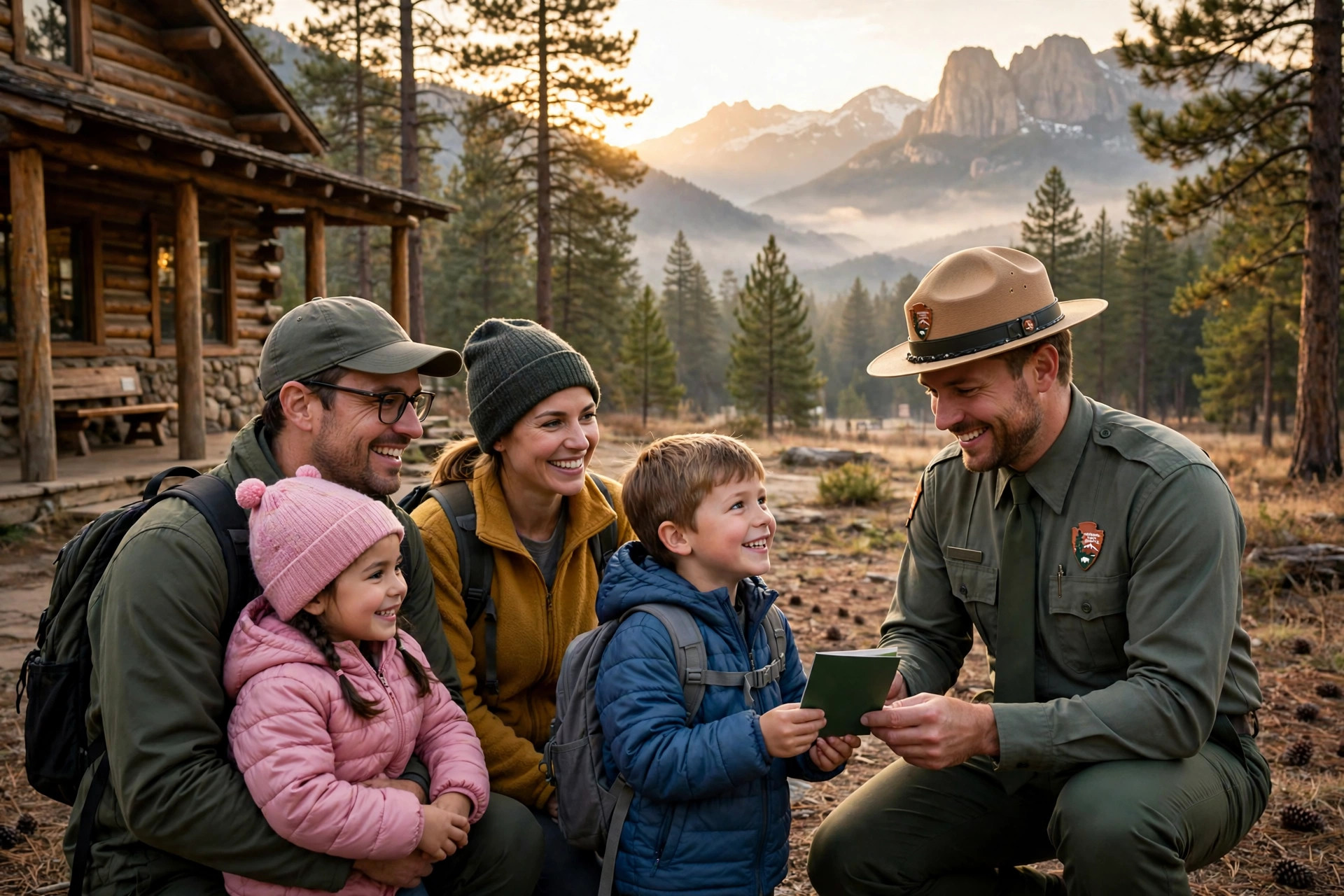
There is a moment on almost every family national park trip when a child stops being a passenger and becomes an explorer. It usually happens at a visitor center desk, when a ranger slides a small activity booklet across the counter and says, “This is yours to complete.” That booklet is the Junior Ranger program — the National Park Service’s free, hands-on way for kids to learn about a park, and it turns a nice scenic drive into a mission your kids will actually remember.
If you are planning a national park trip with kids, the Junior Ranger program is the best free activity you can build your day around. This guide explains how it works, which parks do it best, and how to help your child earn that badge.
What Is the Junior Ranger Program?
The Junior Ranger program is run by the National Park Service (NPS) at more than 400 national parks, monuments, historic sites, seashores, and recreation areas across the United States. Kids complete a booklet of activities — observing wildlife, answering questions about the park, drawing what they see, and attending a ranger program — then return the finished booklet to a ranger, take a pledge, and receive an official Junior Ranger badge.
What makes the program special is that it is not a worksheet. The activities send kids out into the park: count the rings on a fallen tree, spot three kinds of animal tracks, sit quietly for five minutes and list every sound you hear. It gives kids a reason to look closely instead of rushing from viewpoint to viewpoint.
How the Junior Ranger Program Works: Step by Step
1. Pick up the booklet at the visitor center
Head to the park’s visitor center first — ideally at the start of your visit, not the end. Ask any ranger for the Junior Ranger booklet. Some parks have two versions (one for younger kids, one for older), so tell the ranger your child’s age. A few parks also offer the booklet as a printable PDF on the park’s website.
2. Complete the required activities in the park
Most booklets ask kids to finish a set number of activities — often 5 to 8 out of 10 or so. Activities mix observation (draw the animal you saw), short writing, and exploration (visit two specific viewpoints or trails). Plan for the booklet to take 1 to 3 hours spread across the day, not all at once.
3. Attend a ranger-led program if you can
Many booklets include attending a ranger talk, guided walk, or evening program as one of the activities. These are free and usually run 20–45 minutes. Check the schedule board at the visitor center when you arrive and build one program into your day — it is often the activity kids remember most.
4. Return the booklet and take the pledge
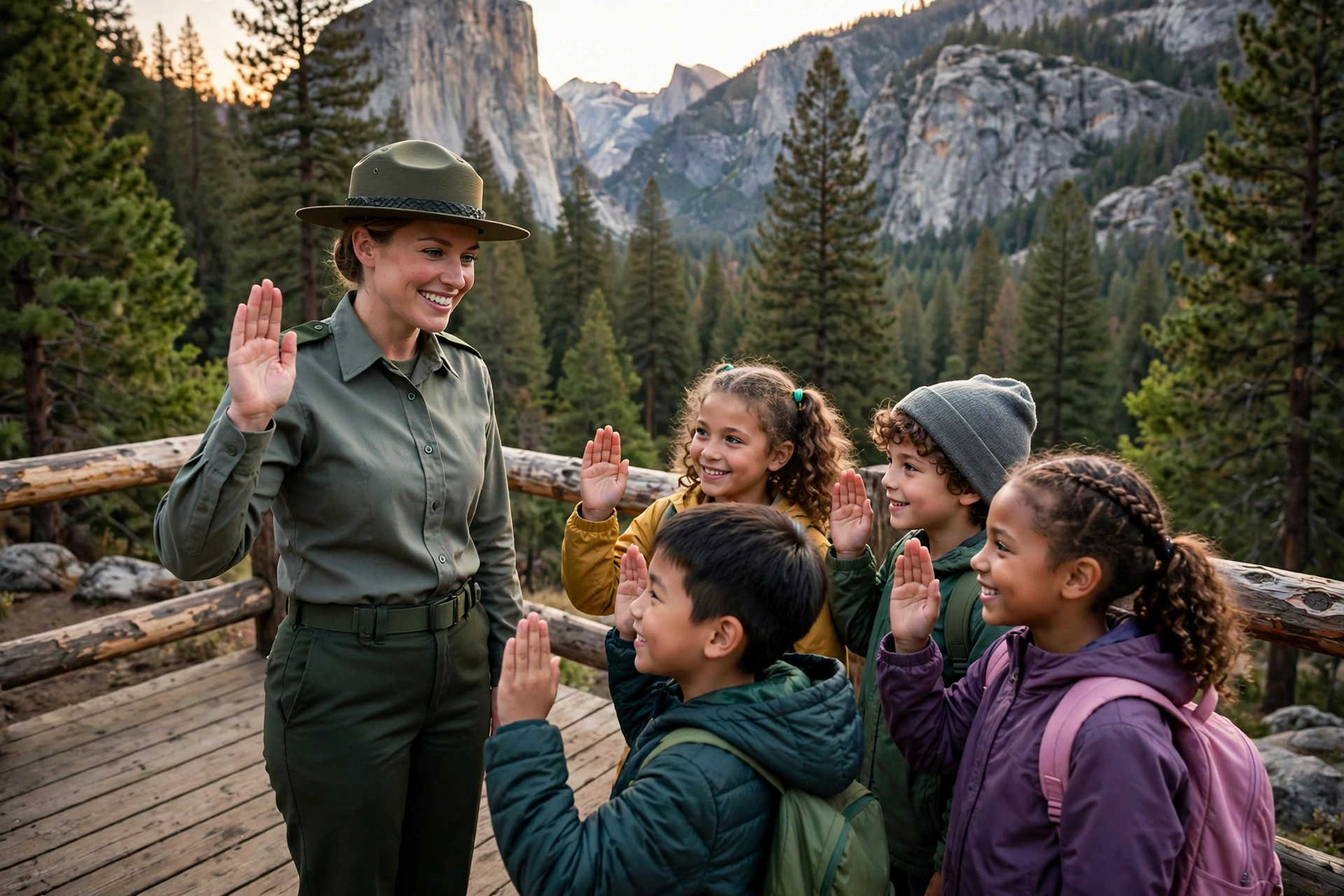
When the booklet is done, bring it back to a ranger. The ranger will check it, chat with your child about what they learned, and lead a short Junior Ranger pledge — a promise to protect parks and keep exploring. Then comes the best part: the badge ceremony, where your child is sworn in as an official Junior Ranger.
5. Keep the badge — and the habit
Badges are free at most parks and make wonderful, cheap souvenirs. Many families keep a display board or scrapbook of badges at home. Kids who earn a few badges tend to ask for the next park — which is exactly the point.
The Best National Parks for Junior Ranger Programs
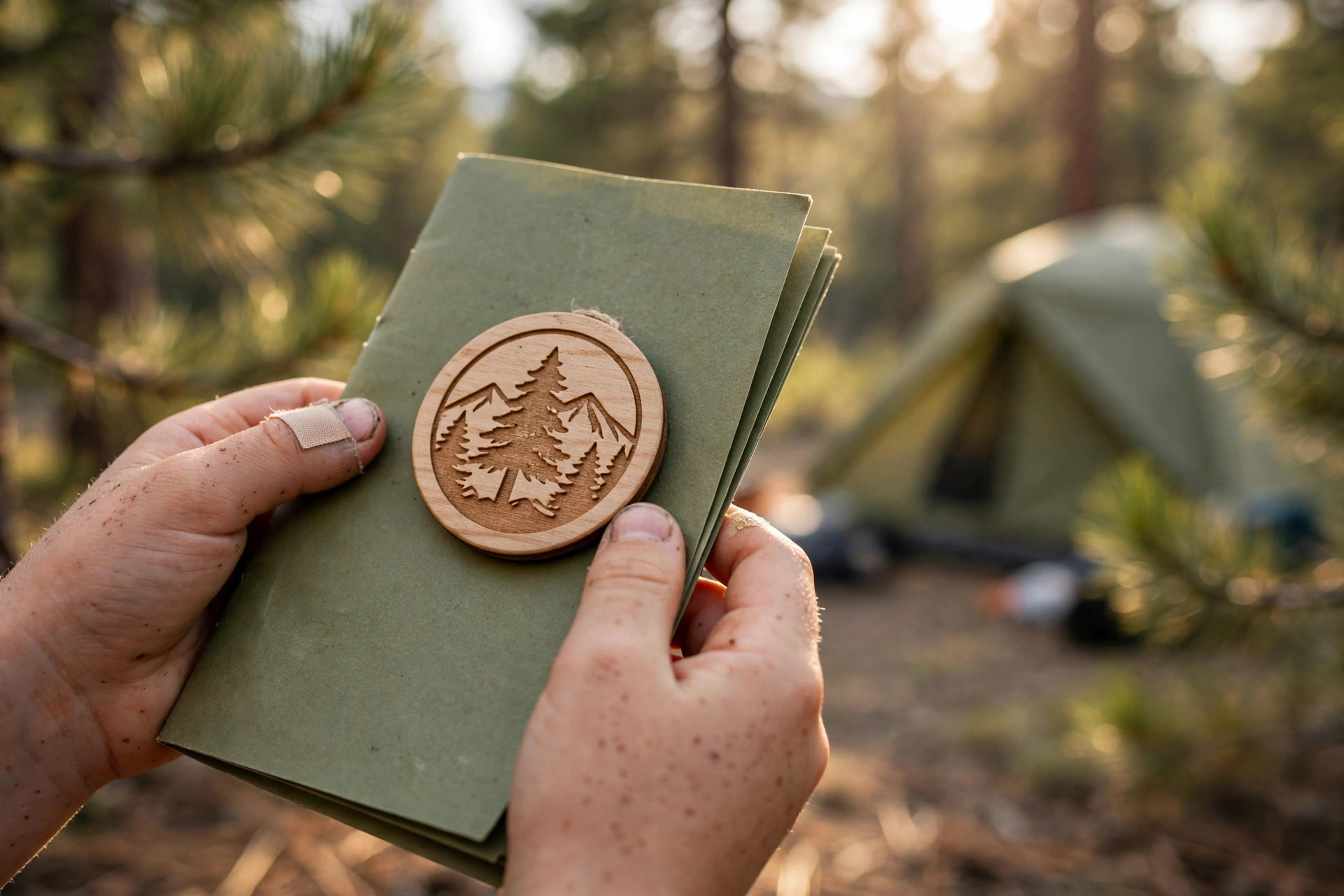
Every park’s program is worth doing, but some go further: bigger booklets, extra ranger programs, special badges, and activities built around the park’s most famous features. These are the standouts for families.
Yellowstone National Park, Wyoming
Yellowstone’s Junior Ranger booklet is one of the most complete in the system, built around geysers, wildlife, and the park’s supervolcano. Kids track the animals they spot and learn how geysers work. With ranger programs running daily in summer at multiple visitor centers, it is easy to fit the program into any itinerary. Plan your days with our 5-day Yellowstone itinerary with kids and pick up the booklet on day one.
Grand Canyon National Park, Arizona
The Grand Canyon’s booklet takes kids through the canyon’s layers of rock, its wildlife, and its human history, with activities designed for the South Rim’s viewpoints and short trails. The park also offers a Spanish-language booklet, and the ranger-led programs at the South Rim are among the best in the system. Pair the booklet with one of the easy hikes near national parks for families to complete the trail activities without wearing little legs out.
Great Smoky Mountains National Park, Tennessee/North Carolina
The Smokies’ Junior Ranger program leans into the park’s incredible biodiversity — kids hunt for salamanders, identify trees, and learn why the mountains look blue. The park is also free to enter, which makes the whole visit budget-friendly; see our guide to free things to do in national parks for more no-cost ideas. The Sugarlands and Oconaluftee visitor centers both stock the booklets.
Acadia National Park, Maine
Acadia’s program is a favorite for families with younger kids: the booklet is short, the activities are hands-on, and the park’s carriage roads and tide pools give kids real things to explore. The ranger programs at Jordan Pond and the Sieur de Monts area are excellent. Our 3-day Acadia itinerary with kids shows how to fit the booklet around the park’s best family stops.
Everglades National Park, Florida
The Everglades booklet turns kids into wildlife detectives — spotting alligators, wading birds, and mangrove crabs — and the park offers a special “Junior Ranger” patch for completing its boating and tram activities too. The Anhinga Trail boardwalk is the perfect place to finish the observation pages.
Rocky Mountain National Park, Colorado
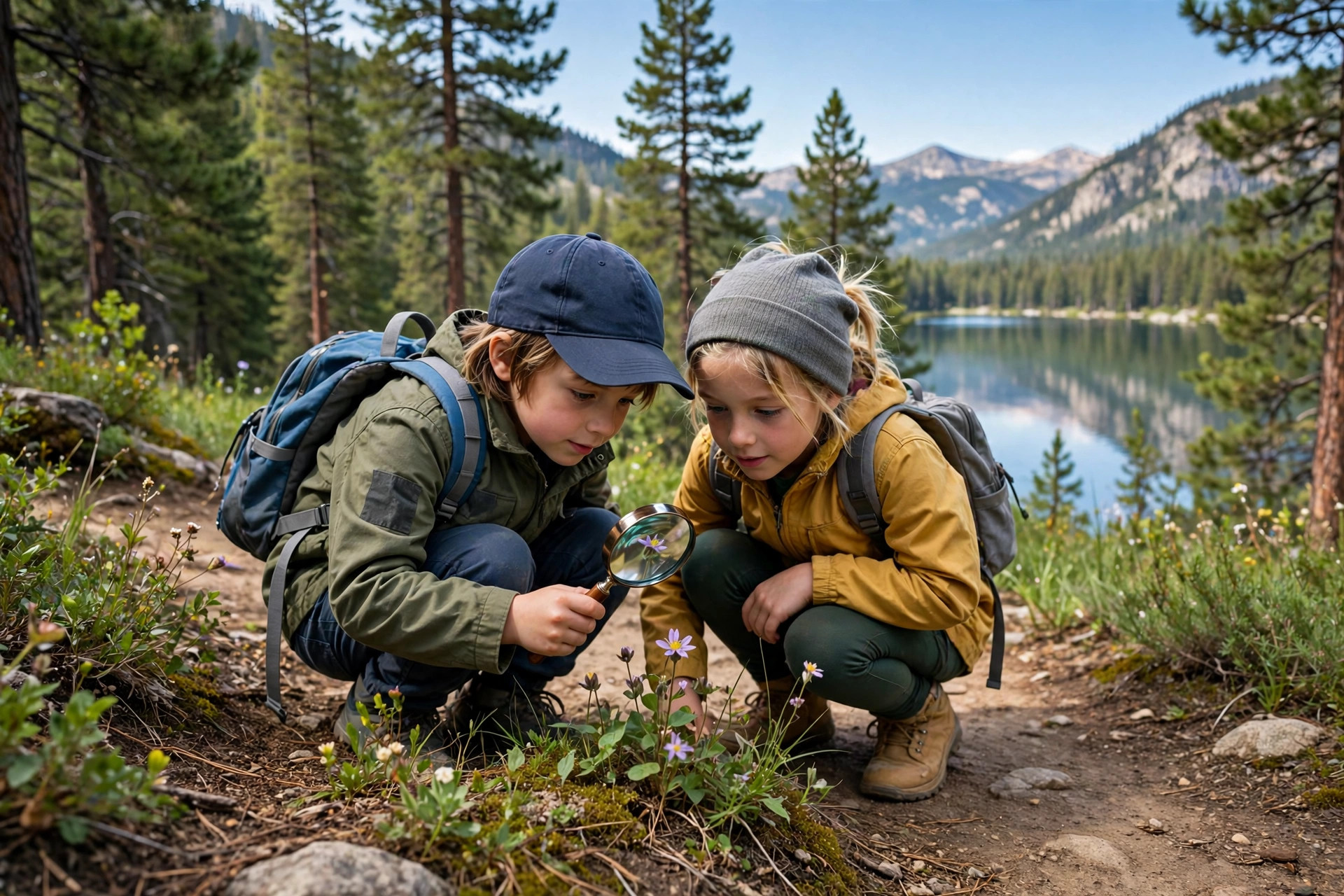
At Rocky Mountain, the booklet focuses on altitude, alpine wildlife, and the park’s changing ecosystems. Kids love the activity that asks them to compare the plants at different elevations. Note the park’s timed-entry system in summer — reserve your entry slot early so you have a full day for the program.
Olympic National Park, Washington
Olympic is really three parks in one — mountains, rainforest, and wild coastline — and the Junior Ranger booklet touches all three. The ranger stations at each area carry the booklet.
| Park | Best for | Booklet length | Don’t miss |
|---|---|---|---|
| Yellowstone | First-timers, wildlife | Medium | Old Faithful ranger talk |
| Grand Canyon | Geology lovers | Medium | South Rim ranger programs |
| Great Smoky Mountains | Younger kids, wildlife | Short | Salamander spotting |
| Acadia | Toddlers and young kids | Short | Tide pool activities |
| Everglades | Animal lovers | Medium | Anhinga Trail boardwalk |
| Rocky Mountain | Older kids, hikers | Longer | Alpine elevation activities |
| Olympic | Multi-day trips | Medium | Hoh Rain Forest pages |
Beyond the Badge: Special Junior Ranger Programs
Junior Ranger Night Explorers
Several parks offer a special booklet for kids who stay after dark — stargazing, listening for owls, and learning about the night sky. If your family camps in a park, ask at the visitor center whether a Night Explorer booklet is available.
Online Junior Ranger programs
Can’t get to a park this year? The National Park Service offers online Junior Ranger activities and a WebRanger program for kids who complete activities from home. It is not a replacement for the real thing, but it is a great way to get kids excited before a trip — or to keep the spark going between trips. The official Junior Ranger page at nps.gov lists participating parks and printable booklets.
Tips for Earning a Junior Ranger Badge with Kids
- Start early in the day. Pick up the booklet at the first visitor center you reach. Many activities need to happen at specific viewpoints or trails, and you do not want to discover that at 4 p.m.
- Let the child lead. The booklet is your child’s project, not yours. Read the instructions together, then let them decide which activities to do. A half-finished booklet they chose is better than a perfect one you pushed them through.
- Bring a pencil and colored pencils. Booklets have drawing and writing pages. Visitor centers sometimes hand out pencils, but do not count on it — pack a small pouch with pencils and a few colored pencils, plus a magnifying glass and binoculars for the observation pages.
- Build in ranger program time. Check the daily schedule when you arrive and plan one ranger talk or walk into your day. It is usually the most memorable part — and often a required activity.
- Don’t rush the pledge. The badge ceremony is short but meaningful for kids. Let your child answer the ranger’s questions themselves, and take a photo of the moment.
- Plan for weather and energy. Booklet activities mix indoor and outdoor work, which is handy on a hot or rainy afternoon. And remember that a tired, hungry child will not enjoy any activity — snack breaks are part of the plan. Our guide to teaching kids trail safety by age pairs well with the outdoor pages of the booklet.
- Save the booklet. Completed booklets and badges are keepsakes. A simple scrapbook or shadow box at home turns each park visit into a chapter of your family’s travel story.
How Much Does the Junior Ranger Program Cost?
The program itself is free at the overwhelming majority of parks. The booklet is free, the badge is free, and ranger programs are free. The only costs are the park entrance fee (many parks charge $20–$35 per vehicle, valid for 7 days; an America the Beautiful annual pass covers all parks for $80). You can reserve campsites and check entrance details on Recreation.gov before you go.
Common Mistakes Families Make
Waiting until the last stop to get the booklet
The most common mistake is picking up the booklet on the way out. By then, the activities that needed specific trails or viewpoints are already behind you. Always stop at the visitor center first.
Treating it like schoolwork
If your child is resisting, drop the hard pages. Do the fun ones — the drawing, the scavenger hunt, the animal-spotting — and skip the rest. The ranger will work with whatever your child completed, and the goal is a happy memory, not a grade.
Forgetting the ranger programs
Ranger talks fill up in summer, and the schedule is posted at the visitor center. Check the board when you arrive and note the times — a 20-minute talk is often the activity kids talk about for the rest of the trip.
Frequently Asked Questions
What age is the Junior Ranger program for?
The program is designed for kids ages 5 to 13, but there is no strict age limit. Younger children can complete the easier pages with help, and most parks offer a simpler version for ages 5–7 and a harder one for ages 8 and up.
Is the Junior Ranger program really free?
Yes — at the vast majority of the 400+ participating parks, the booklet and the badge are completely free. A small number of parks charge $1–$3 for a more elaborate printed booklet. You still pay the park’s normal entrance fee, if there is one.
How long does it take to earn a Junior Ranger badge?
Most kids finish in 1 to 3 hours, spread across the day. The booklet is designed to be done alongside normal sightseeing, not as a separate block of time. Some activities, like attending a ranger program, are scheduled, so plan around those.
Can kids earn a badge at every national park?
More than 400 National Park Service sites offer the program, including national parks, monuments, historic sites, and seashores. Almost every major park participates — check the park’s page on nps.gov or ask at the visitor center.
What if we don’t finish the booklet?
That’s fine. Rangers are flexible — if your child completed most of the activities and can talk about what they learned, most rangers will still award the badge. If you run out of time, you can often mail the completed booklet to the park later; ask the ranger for the mailing address.
Can we do Junior Ranger activities online?
Yes. The National Park Service offers online activities and a WebRanger program for kids who can’t visit in person. Some park booklets are also available as printable PDFs, so you can preview or even start the activities before your trip.
The Bottom Line
The Junior Ranger program costs nothing, takes a few hours, and changes how your kids experience a national park. Instead of a drive past pretty scenery, they get a mission, a ranger who knows their name for five minutes, and a badge they will show everyone at home. Pick up the booklet first thing, let your child lead, and leave time for the pledge ceremony — those are the three things that turn a good park visit into a great one.
