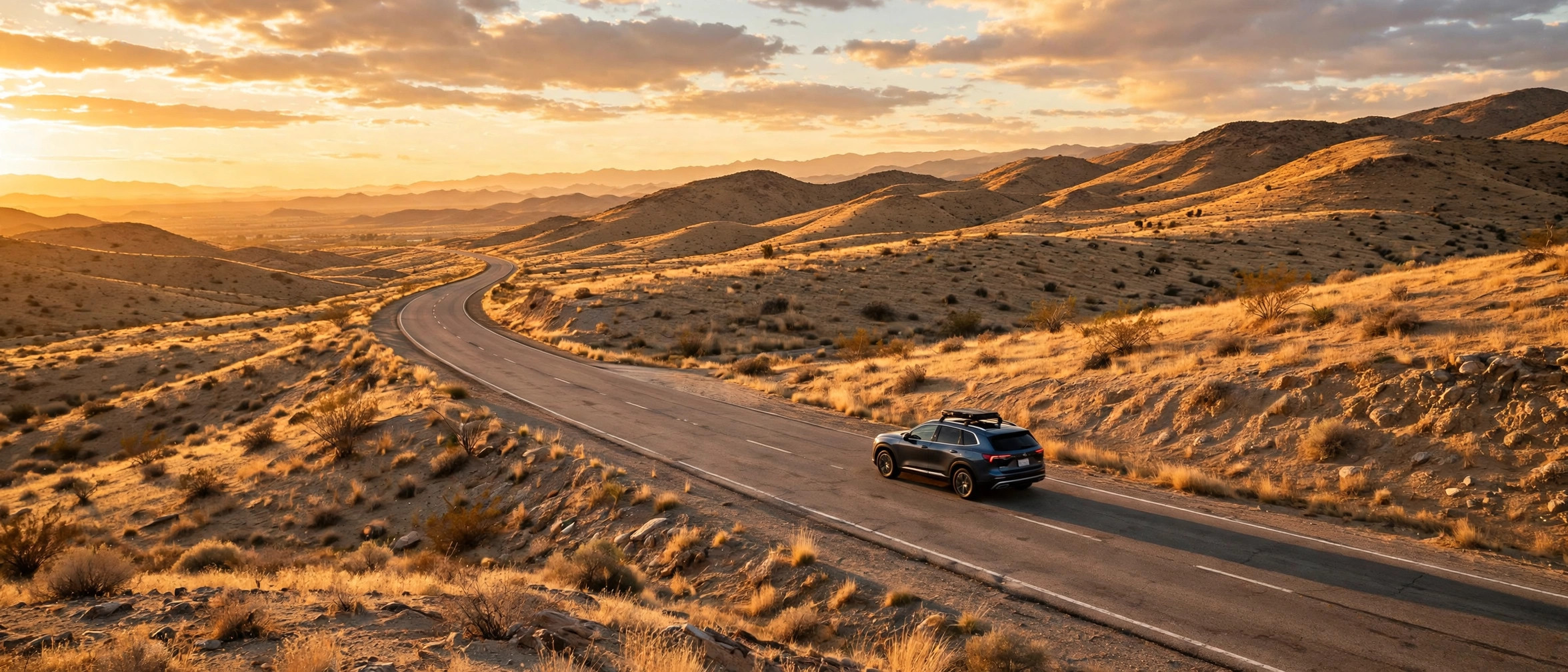
Fuel is usually the single biggest line item on a long family road trip, and with kids in the back seat, the miles pile up fast. Between rest stops, snack runs, and detours to see the world’s largest ball of twine, a family’s fuel bill can quietly double. The good news? You don’t need a hybrid or a hypermiling obsession to save serious money. These gas-saving tips for long road trips with kids are practical, family-tested, and backed by real fuel economy data — and most of them cost nothing at all.
Small changes add up. The U.S. Department of Energy estimates that aggressive driving alone can lower your gas mileage by 10% to 40% in stop-and-go traffic. On a 2,000-mile road trip, that’s the difference between spending $280 and spending well over $350 on fuel. Multiply that across a summer of travel, and you’re looking at real money for park passes and campground nights.
Before You Leave: Prep Work That Pays for Itself
Half of your fuel savings happen before you ever turn the key. A well-prepared car rolls more efficiently, and a well-packed car means fewer “we forgot the sunscreen” detours that burn gas.
Lighten the Load
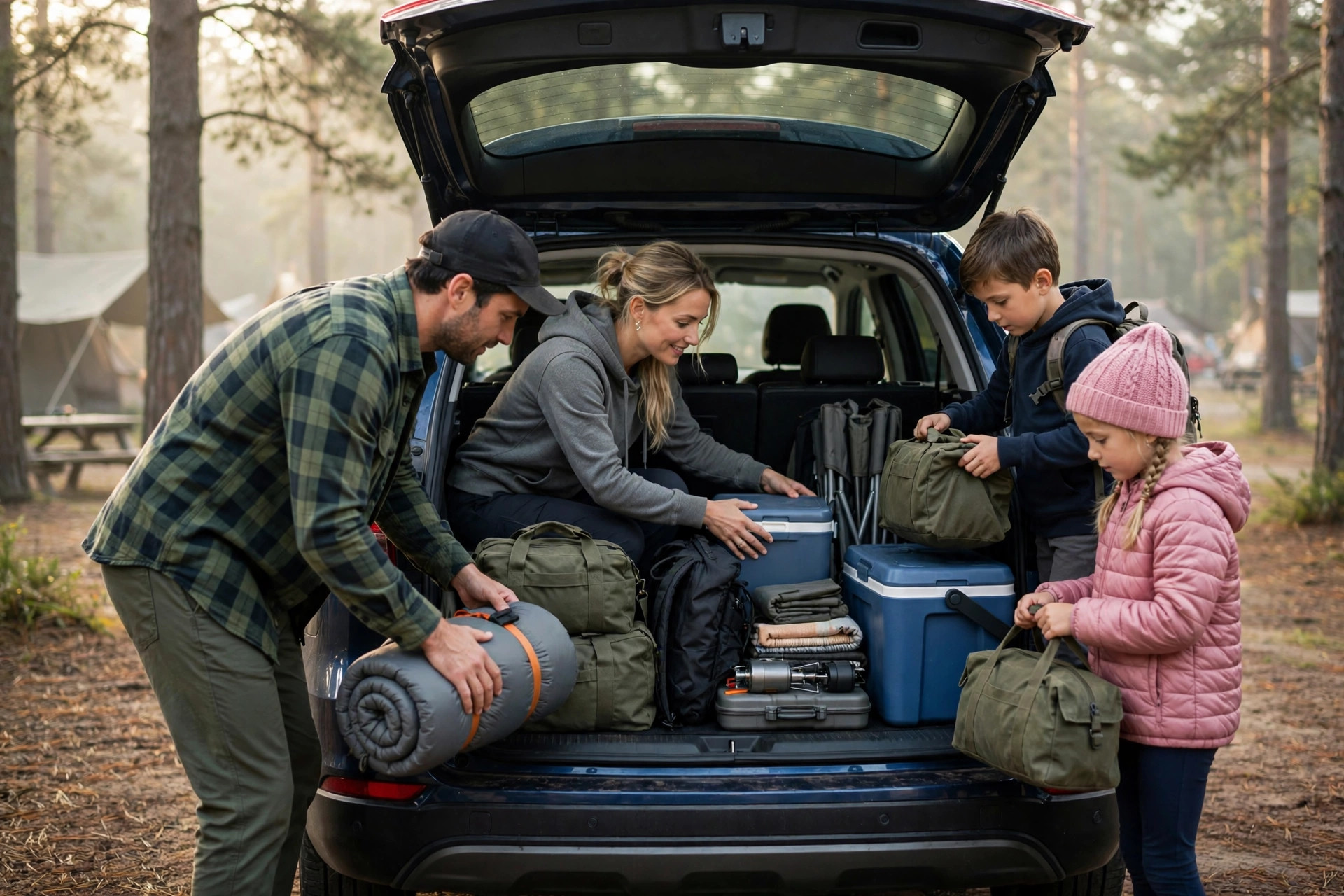
Every extra 100 pounds in your vehicle can cut fuel economy by about 1%, according to fueleconomy.gov, the official U.S. government fuel economy resource. Family road trips have a way of accumulating weight: the “just in case” suitcase, the bag of library books nobody opens, the cooler full of drinks you could buy along the way.
Do a ruthless edit the night before you leave. Weigh your packing against your actual itinerary. For a solid packing framework, cross-check with our family camping checklist of 47 essentials — it helps you separate genuine needs from dead weight. A lighter car accelerates more easily, brakes more efficiently, and sips rather than gulps on hills.
Ditch the Roof Box (or Pack It Smart)
Roof cargo is convenient and terrible for aerodynamics. A loaded roof box or rooftop cargo bag can reduce fuel economy by 10% to 25% at highway speeds. If you can fit everything inside the vehicle, do it. If you truly need the roof space, choose a sleek, low-profile box, mount it as far back as possible, and remove it for any legs of the trip where you don’t need it.
Empty roof racks and bike racks still create drag — remove them whenever you don’t need them.
Check Tire Pressure the Morning You Leave
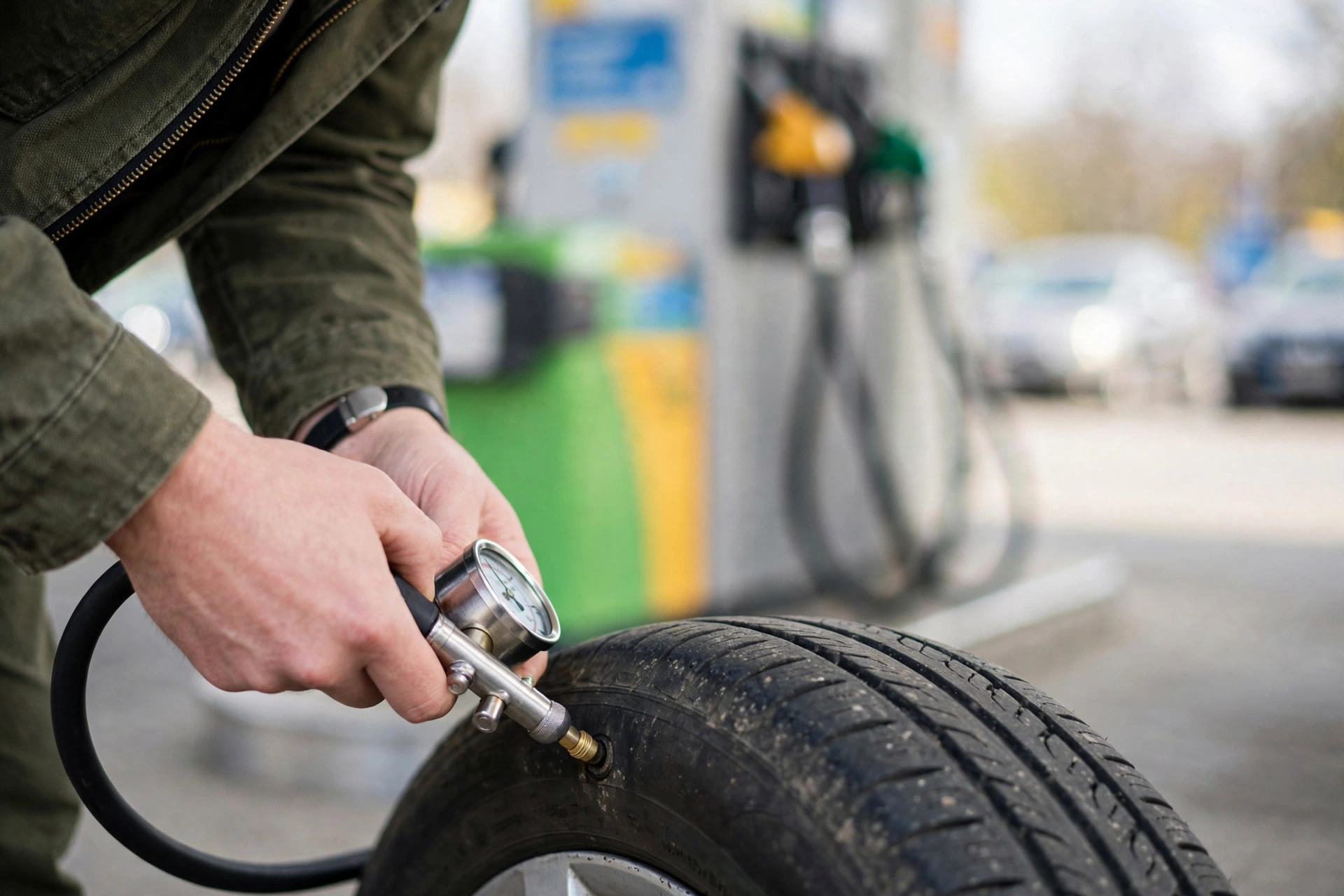
Underinflated tires are one of the most common — and most fixable — fuel wasters. Tires just 1 psi below the recommended pressure can reduce fuel economy by about 0.2%, and the average car on the road is running several psi low. That adds up to hundreds of wasted dollars per year for a driving family.
Check pressure when the tires are cold (before driving, or at least three hours after). Use the number on the driver’s door jamb sticker, not the number molded on the tire sidewall — the sidewall number is the maximum, not the recommendation. Recheck every few days on a long trip, since temperature swings change pressure. And while you’re at it, glance at the tread: worn tires grip worse and roll less efficiently.
Drive Smarter, Not Slower (Much)
How you drive matters as much as what you drive. With kids in the car, you already have built-in reasons to drive calmly — here are the fuel benefits of doing so.
Find Your Sweet Spot Speed
Most vehicles hit peak fuel efficiency between 50 and 60 mph. Above 50 mph, fuel economy drops fast — roughly 14% for every 5 mph over 50. Driving 75 instead of 65 on a long highway stretch can cost you an extra 15 to 20% in fuel. That is like paying an extra 60 to 80 cents per gallon at today’s prices.
You don’t have to crawl. But dropping from 75 to 68 on open interstate adds only minutes to a long driving day while saving real money. Set expectations with the family: slightly slower cruising means fewer gas station stops, which the kids will appreciate more than arriving twenty minutes earlier.
Use Cruise Control on Flat Highways
Cruise control keeps your speed steady, eliminating the unconscious speed creep that wastes fuel. It’s ideal for flat interstates. In hilly terrain, turn it off — it downshifts aggressively uphill, while you can ease off and let momentum carry the car.
Anticipate Instead of Reacting
Look far ahead. When you see brake lights or a slowdown coming, lift off the gas early and coast. Every time you brake hard and then accelerate again, you’re throwing away the energy you already paid for in fuel. Smooth, gradual acceleration from stops and gentle deceleration into them is the single most effective driving habit for saving gas — worth up to 30% in heavy traffic.
This is also where driving with kids is secretly an advantage. Calm driving means fewer sudden stops, less motion sickness in the back seat, and a much more pleasant cabin for everyone.
Limit Idling — Especially at Kid Stops
Idling gets zero miles per gallon. An idling engine burns roughly a quarter to half a gallon of fuel per hour, depending on engine size and air conditioning use. On a family road trip, idling sneaks in everywhere: waiting while someone runs into a store, sitting in a long drive-thru line, keeping the AC running during a playground stop.
The modern rule is simple: if you’re stopped for more than 60 seconds, turn the engine off. Restarting uses less fuel than idling for a minute. Park and walk into the rest stop instead of using the drive-thru. Let the kids burn energy at the playground while the car rests. The only exception is extreme heat with small children in the car — never leave kids in a hot vehicle, and keep safety ahead of savings.
Plan Stops Like a Strategist
Random stops are the enemy of fuel economy. Every unscheduled exit means deceleration, idling, and acceleration — the most fuel-intensive parts of driving. A little route strategy goes a long way.
Combine Stops Into One
Before each driving day, look at the map and batch your stops. Gas, bathroom, snacks, and leg-stretching can all happen at one well-chosen exit instead of three separate ones. A cooler full of drinks and a bag of snacks from the grocery store eliminate the “emergency” convenience store runs that add miles and markup.
This is also where knowing your real trip budget helps. Our 2026 family road trip cost breakdown shows how fuel, food, and lodging split on a typical trip — and how small daily savings compound over a week or two on the road.
Use Gas Price Apps to Fill Up Smart
Gas prices can vary by 30 cents or more within a few miles, especially near interstate exits versus a mile or two off the highway. Apps like GasBuddy let you compare prices along your route before you commit to an exit.
One caution: don’t drive 15 miles out of your way to save 5 cents a gallon. Do the quick math — on a 20-gallon fill-up, 5 cents saves you one dollar. It is rarely worth a detour. But choosing the cheaper of two stations on your existing route is free money.
Pack the Cooler, Skip the Drive-Thru
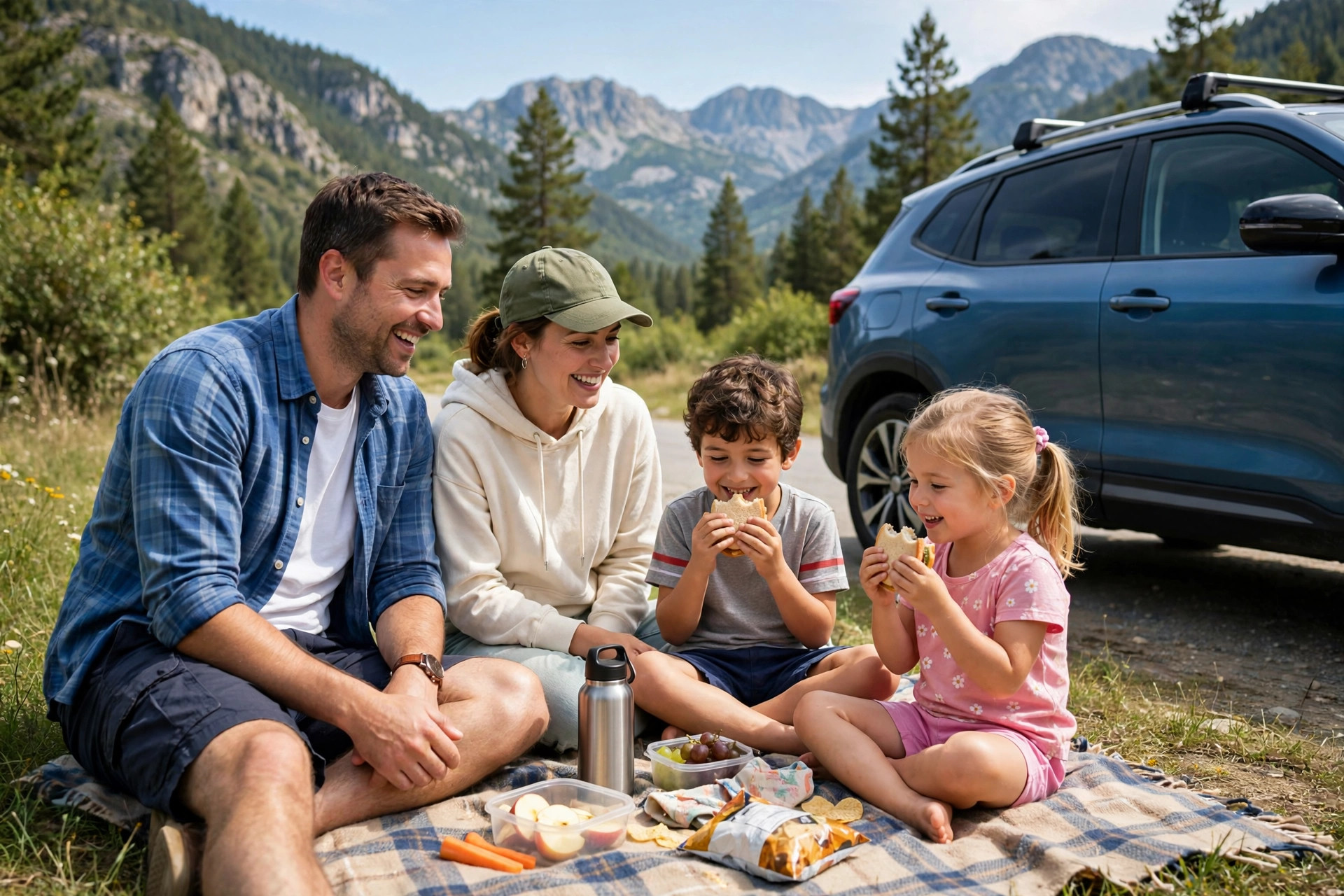
Drive-thru lines are idling traps — ten cars deep, engines running, everyone burning fuel for a burger. A well-packed cooler with sandwiches, fruit, and drinks lets you pull into a rest area or scenic overlook and eat for free, with a better view. Rest areas with picnic tables are everywhere on U.S. interstates, and many have playgrounds where kids can run around while you eat.
For destination ideas that make picnic stops genuinely fun, see our guide to free things to do at every major U.S. national park — many of the best picnic spots are inside parks you’re already visiting.
Keep Kids Happy So You Don’t Burn Fuel Circling
Calm, entertained kids mean fewer unscheduled stops — and every unplanned exit costs you fuel. Keeping the back seat happy is a legitimate gas-saving strategy.
Entertainment Prevents Emergency Stops
Load up audiobooks, download a few movies for the tablet, and pack a “surprise bag” of small new toys or activity books to reveal every couple of hours. A child happily listening to a story is a child who isn’t demanding a stop at the next exit. Rotate activities before boredom sets in — prevention is cheaper than cure.
Snack Smart, Stop Less
Hunger is the number one cause of unscheduled stops. Keep a dedicated snack bag within arm’s reach of the back seat: crackers, dried fruit, granola bars, cheese sticks in a small insulated pouch. Offer snacks on a schedule — roughly every 90 minutes — before hunger turns into a crisis. This single habit can easily eliminate one or two unplanned stops per driving day.
Schedule Real Breaks Instead of Panic Breaks
Plan a proper stop every two to three hours: 20 minutes at a rest area, a playground, or a scenic viewpoint. Kids who know a fun break is coming stay patient; kids who don’t know when they’ll next move start lobbying for exits. Scheduled breaks are efficient — everyone does everything at once — while panic breaks are rushed, stressful, and often followed by another stop an hour later because someone forgot to go.
Timing your trip for the cheapest months to visit popular U.S. destinations helps too: off-peak travel means less traffic congestion, and less stop-and-go driving means better fuel economy on top of lower lodging prices.
How Much Can You Actually Save?
Let’s put numbers on it. Here is a realistic estimate for a 2,000-mile family road trip in a midsize SUV averaging 25 mpg, with gas at $3.50 per gallon (baseline fuel cost: $280):
| Habit | Typical savings | Estimated $ saved |
|---|---|---|
| Slow from 75 to 68 mph on highways | 10–15% better mpg | $28–$42 |
| Proper tire pressure | Up to 3% | $8 |
| Remove roof box / extra weight | 5–15% | $14–$42 |
| Smooth driving, less idling | 5–10% | $14–$28 |
| Cheaper gas via price apps | $0.10–$0.20/gal | $8–$16 |
| Combined (conservative) | ~20% | ~$56 |
Saving $50 to $80 on one long trip might not sound life-changing, but do three trips a year and you’ve funded a weekend campground stay — or a very nice dinner out — purely from habits that also make the drive calmer and safer. For help planning efficient overnight stops along the way, campgrounds booked through Recreation.gov often sit right off your route, and the National Park Service trip planning pages map out driving routes with realistic times.
Frequently Asked Questions
Does driving slower really save that much gas?
Yes. Aerodynamic drag increases exponentially with speed, so fuel economy drops sharply above 50 mph. Going 75 instead of 65 can cost 15% or more in fuel economy. Dropping just 5–7 mph on highway stretches is one of the highest-impact changes you can make.
Is it better to keep the car running with the AC on for sleeping kids?
Safety first: never leave children unattended in a running or parked car. If everyone is awake and you’re making a quick stop in mild weather, turn the engine off. In extreme heat, prioritize the kids’ safety over fuel savings — park in shade, keep the trip moving, and plan indoor or shaded midday breaks.
Do fuel additives or premium gas improve mileage?
For most family vehicles, no. Use the octane rating your owner’s manual recommends — usually regular. Premium fuel in an engine designed for regular provides no mileage benefit. Fuel additives marketed as mileage boosters have no credible evidence behind them. Save your money for the trip itself.
How often should I check tire pressure on a long road trip?
Check every morning before driving, or at least every 1,000 miles. Temperature changes affect pressure — a cold desert morning and a hot afternoon can differ by several psi. A $10 digital gauge kept in the glove box pays for itself many times over.
Are roof boxes really that bad for fuel economy?
They can be. A loaded roof box can cut highway fuel economy by 10–25% because of aerodynamic drag. If you must use one, choose a low-profile aerodynamic model, load it only when needed, and remove it for legs of the trip where everything fits inside.
The Bottom Line
Saving gas on a family road trip isn’t about one big trick — it’s about a dozen small ones that compound. Pack lighter, keep your tires inflated, cruise a little slower, plan your stops, and keep the back seat happy so the plan survives contact with reality. You’ll spend less on fuel, stop less often, and arrive calmer. And on a trip with kids, calmer is the real prize.
Happy travels, and may your tank always outlast the snack supply.
