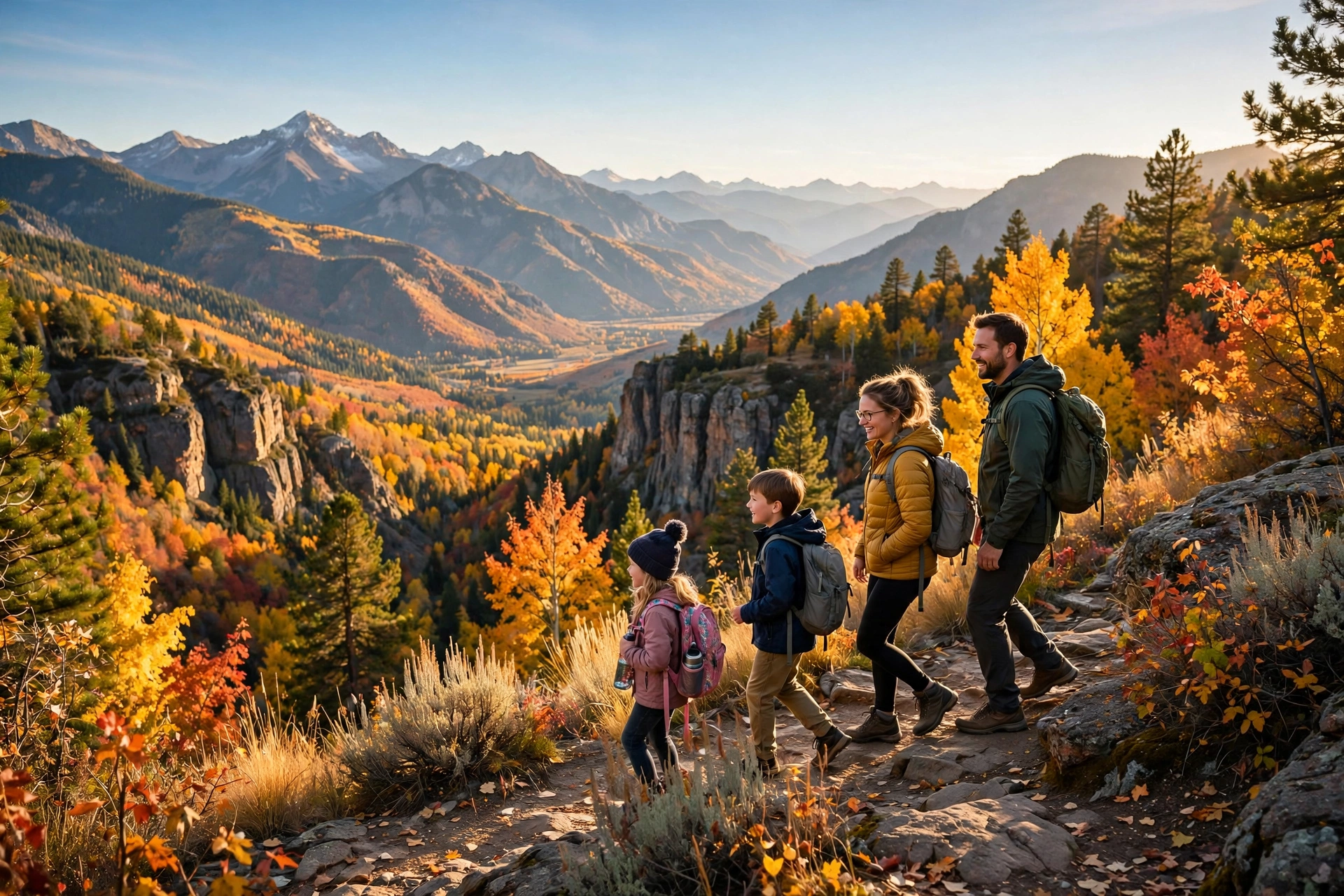
Ask any family what the single biggest lever on their vacation budget is, and most will say flights, or maybe the hotel. But ask travel economists, and they will tell you something simpler: the calendar. The cheapest months to visit popular US destinations can cut your total trip cost by 30 to 50 percent compared to peak season — same destinations, same memories, dramatically smaller bill. This guide maps out exactly when to travel in 2026 so your family pays shoulder-season prices instead of summer-premium prices.
Every window below is family-vetted: open facilities, comfortable weather, and real savings on lodging, flights, and car rentals. To see how timing savings stack against full trip budgets, read our breakdown of how much a family road trip really costs in 2026.
Why Timing Is the Biggest Money Lever in Family Travel
Hotel rooms, flights, and rental cars are not fixed prices — they are demand prices. When school lets out in June, every family in America is chasing the same hotel rooms and campsites, and prices surge. When kids go back to class in late August, demand collapses and prices follow.
That demand curve is your superpower. Domestic flights in September and January routinely price 15–25% below June and July, and hotels near national parks commonly drop rates 30–40% in the shoulder weeks on either side of peak season. The trick is knowing which windows are genuine deals and which ones come with hidden costs like closed roads, hurricane season, or snowed-in trails — which is what the rest of this guide covers.
Shoulder Season, Explained Simply
What “shoulder season” actually means
Every destination has a peak season (everyone goes), an off-season (almost nobody goes), and a shoulder season — the sweet spot in between. Shoulder season means the weather is still good, the parks and attractions are still open, but the crowds and prices have not arrived yet.
For most US destinations, the two classic shoulder windows are:
- Late spring: roughly mid-April through late May (before Memorial Day)
- Early fall: roughly early September through mid-October (after Labor Day)
How much cheaper it really is
Savings vary by destination, but here is a realistic picture of what families typically save in shoulder season versus peak summer:
| Expense | Peak summer | Shoulder season | Typical savings |
|---|---|---|---|
| Park-adjacent hotels | $250–$400/night | $150–$250/night | 30–40% |
| Domestic round-trip flights (family of 4) | $1,200–$1,800 | $800–$1,200 | 25–35% |
| Car rentals (weekly) | $600–$900 | $350–$550 | 35–40% |
| National park lodging inside the park | Books out in minutes | Actually bookable | Availability bonus |
America the Beautiful passes and park entrance fees do not change with the season, so plan park fees at current rates on the National Park Service fee page.
The 2026 Cheapest-Months Calendar at a Glance
Here is the quick-reference calendar. If you only remember one row, remember this: September after Labor Day is the single best-value travel month in the United States — prices drop, crowds vanish, and the weather is still beautiful almost everywhere.
| Destination | Cheapest months (2026) | Why it works |
|---|---|---|
| Yellowstone & Grand Teton | Late May, September | Roads fully open, wildlife active, half the crowds |
| Grand Canyon | November–March (South Rim), late April & October (North Rim) | South Rim stays open year-round with winter rates |
| Hawaii (Maui, Oahu) | Mid-April–early June, September–mid-December | Whale season just ended, hurricane season is mild |
| Orlando, Florida | January (after the 6th), September, early November | Lowest hotel rates of the year; manageable lines |
| Great Smoky Mountains | January–March, late November–early December | Cabins drop 30%+; winter hikes are crowd-free |
| Acadia, Maine | Early May, late September–mid-October | Fall foliage without October-peak pricing |
| Zion & Bryce Canyon | November–February, late March–April | Desert winter is mild and gloriously empty |
| New York City / Washington DC | January–February, late August | Hotel rates hit yearly lows |
| East Coast beaches (Outer Banks, Myrtle Beach) | Late August–September, late April–May | Warm ocean, empty sand, off-season rates |
Destination-by-Destination: When to Go for Less
Yellowstone & Grand Teton: late May and September
Yellowstone is the poster child for “timing is everything.” July and August bring bumper-to-bumper bison jams and lodges that sell out the day they open. Visit in late May instead: main roads are open, baby animals are everywhere, wildflowers are starting, and you can actually get a dinner reservation at Old Faithful Inn. September is equally golden — elk bugling, aspen turning, crowds gone. In-park lodging, bookable on Recreation.gov, is far easier to secure, and gateway towns like West Yellowstone and Jackson drop nightly rates 30–40%. Just avoid Memorial Day weekend and the last two weeks of June.
Grand Canyon: winter at the South Rim, spring and fall at the North Rim
The South Rim is open 365 days a year, and winter (November through March) is a genuine secret season for families: daytime highs in the 40s and 50s, dramatic cloud inversions, and El Tovar and Maswik Lodge rooms for hundreds less per night than summer. The trade-off: the North Rim is closed from mid-October to mid-May, so plan South Rim only. For the quieter North Rim, target late April into May or October — the road opens May 15, so the first weeks feel like a private park. Pair it with easy family hikes near national parks like the Bright Angel Trail’s upper switchbacks.
Hawaii (Maui & Oahu): mid-April to early June, September to mid-December
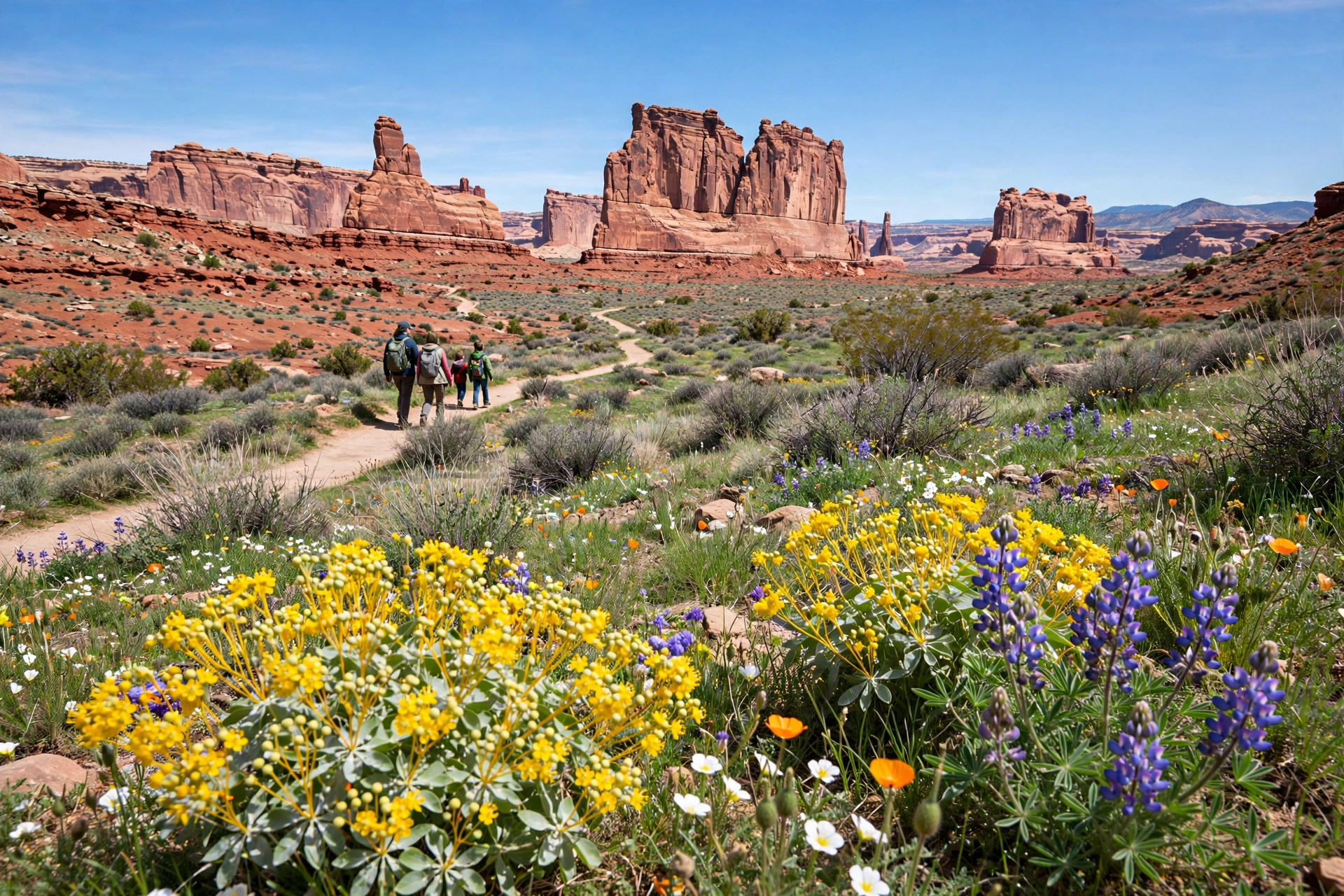
Hawaii never has a true “bad” season, which is exactly why its cheap windows are so valuable. From mid-April to early June (after spring break and whale season) and September through mid-December (between summer and the holidays), expect 20–30% lower hotel rates and cheaper inter-island flights. One caution: late August through October is hurricane season — storms rarely strike Hawaii directly, but buy travel insurance in the fall. For the cheapest possible family beach week, nothing beats early May in Maui: perfect weather, thin crowds, and resort rates at their yearly low.

Orlando, Florida: January, September, early November
Orlando’s theme parks price dynamically, so the calendar matters more here than almost anywhere else. The cheapest weeks of the year are the two after New Year’s, most of September, and the first two weeks of November — International Drive hotels can drop to $60–$80 a night, less than half of Christmas-week pricing.
September’s caveat: hurricane season peaks. Afternoon thunderstorms are guaranteed, so plan indoor attractions for the 2–5 pm window. The upside: ride waits that run 60–90 minutes in July often drop under 20 minutes in September — which with small kids is worth more than money.
Great Smoky Mountains: January–March and late November–early December
The Smokies are America’s most-visited national park, and October leaf-peeping is its absolute peak — book then and you will pay peak for everything. Instead, take the kids in winter: the park is free to enter, most major roads stay open, cabins in Gatlinburg and Pigeon Forge drop 30% or more, and trails like Laurel Falls are nearly empty.
Winter in the Smokies is genuinely special with kids: frosty mornings, clear long-range views (no summer haze), and the Sugarlands Visitor Center programs still running. Pack layers — our family camping checklist covers the clothing systems that keep kids warm — and keep a flexible plan for the rare ice-related road closure.
Acadia, Maine: early May and late September–mid-October
Acadia’s October foliage is gorgeous and priced accordingly. The hack: go in late September, just before peak color — the Park Loop Road, carriage roads, and Cadillac Mountain sunrises are all fully open, and Bar Harbor hotels have not yet hit October premiums. Early May is even cheaper, though some facilities open gradually.
Zion & Bryce Canyon: winter and early spring
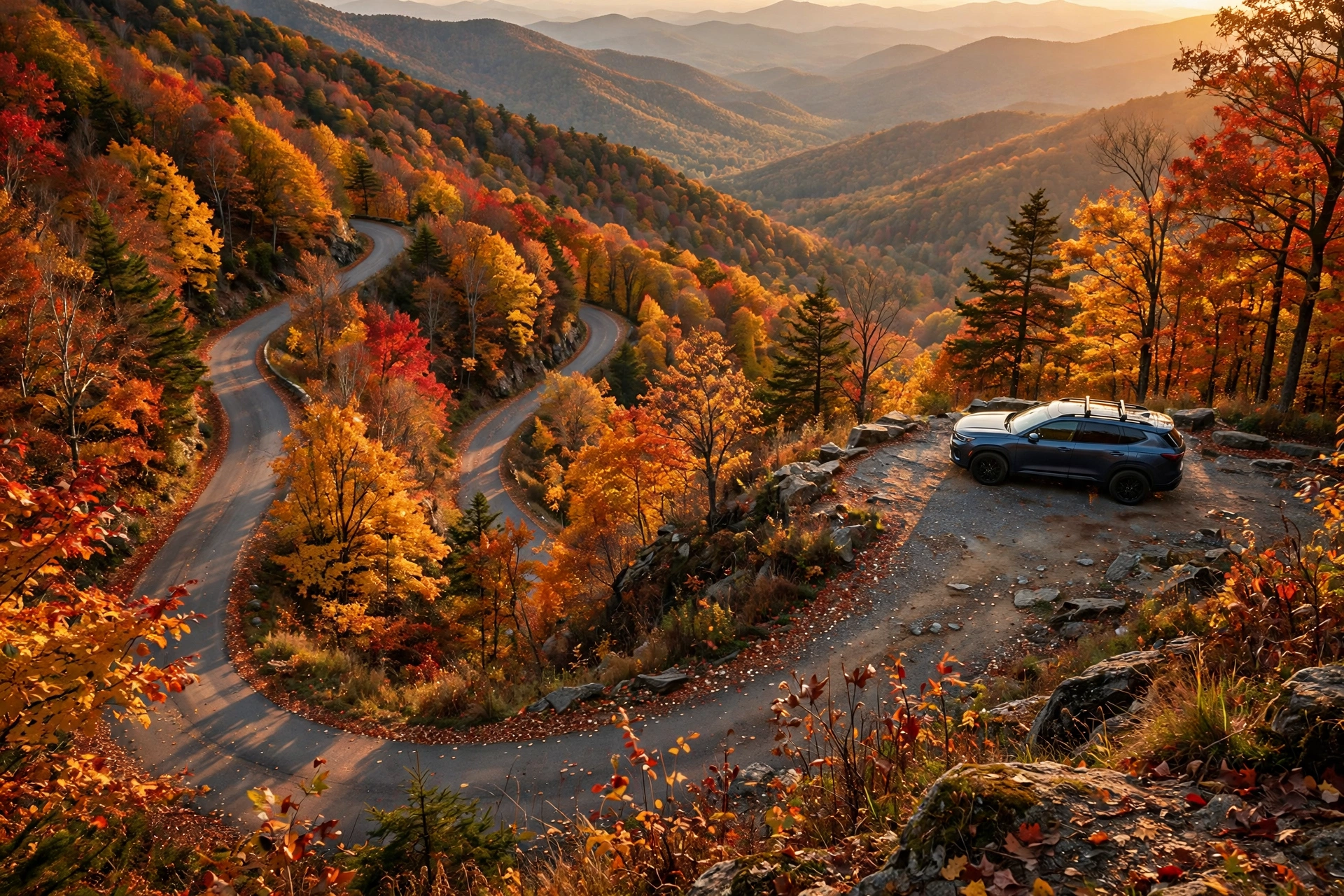
Southern Utah’s desert parks are a winter revelation. Zion in January means 50-degree afternoons, Angels Landing permits far easier to win, and Springdale hotels at half their summer rates. Bryce Canyon’s snow-dusted hoodoos are otherworldly. The one exception is spring break — late March through mid-April gets genuinely busy in Zion, so stay in cheaper Hurricane or St. George and start trails by 7 am.
New York City & Washington DC: January–February and late August
City hotels follow a different rhythm than parks. NYC’s cheapest rooms come in January and February, when a Midtown hotel can be $150 instead of $400 — museums are heated, lines are short, and the hot chocolate tastes better when you have earned it. DC’s lowest rates also land in January, and nearly every Smithsonian museum is free, so your entertainment budget barely notices the cold. Late August works for both cities too, as business travel pauses and summer tourists head home.
East Coast beaches: late August–September and late spring
The Outer Banks in September is arguably the best-kept secret in American family travel: the ocean is at its warmest, rental houses that cost $5,000 a week in July drop to $2,000–$2,500, and the beaches are empty. Same story in Myrtle Beach, Hilton Head, and the Delaware shore — and you can model the savings in our 2026 family road trip cost breakdown.
7 Ways to Stack Savings in the Cheapest Months
Timing gets you most of the way there. These seven tactics multiply the discount:
- Book campsites the minute windows open — cheap months sell out too, just slower. Our guide to campsite reservation windows by state tells you exactly when each window opens.
- Fly Tuesday through Thursday — midweek flights are consistently cheaper, and it stacks with shoulder-season fares.
- Stay 15–30 minutes outside the park — gateway-town motels and vacation rentals often beat park lodging by half, and the drive is part of the adventure.
- Pack food for the first two days — park restaurants are expensive year-round; a cooler of sandwiches and snacks saves $100+ per day for a family.
- Target free-admission days and programs — many parks and museums run free days in the off-season, and junior ranger programs run year-round. See our list of free things to do in every major national park.
- Rent gear instead of buying it — REI and local outfitters rent kids’ packs, sleeping bags, and snow gear, which is perfect for trying a winter park trip without a gear investment.
- Travel the week after a holiday, not before — the week after Thanksgiving, after New Year’s, and after spring break are among the cheapest travel weeks of the year.
Kid-Specific Realities: School, Weather, and Sanity
The cheapest months overlap with the school year. For preschoolers, this is a non-issue — travel whenever the calendar says it is cheap. For school-age kids, three realistic plays:
- Teacher workdays and long weekends — Columbus Day, Veterans Day, MLK Day, and Presidents’ Day create 3–4 day windows; late-May trips can use Memorial Day.
- One strategic absence — many teachers are flexible about a single Friday or Monday absence, especially with advance notice and make-up work.
- Homeschool-style enrichment — national park junior ranger programs, visitor center exhibits, and real-world geography count as learning, and kids retain it.
Weather is the other reality check. Cheap months are cheap partly because the weather is different, not worse — but with kids, “different” means you must pack for it. Layers, rain shells, and a backup indoor plan turn a chilly shoulder-season day into an adventure instead of a meltdown.
Frequently Asked Questions
What is the single cheapest month to travel in the US with kids?
September — specifically the weeks after Labor Day. Summer crowds vanish, hotel and flight prices drop sharply, and the weather stays warm across most of the country. If you can only pick one month for family travel in 2026, pick September.
Are national parks really cheaper in the off-season?
Entrance fees stay the same year-round, but everything around the park gets cheaper: lodging (30–40% less), flights, rental cars, and guided tours. Some parks also waive fees on designated free-entrance days listed on the NPS website.
Is it safe to visit desert parks like Zion in winter?
Yes, for most families. Daytime temperatures in the 40s–50s are ideal for hiking with kids, trails are far less crowded, and ice is only an issue on higher-elevation trails like parts of Angels Landing. Check the park’s current conditions page and carry traction devices for boots in January and February.
How far ahead should I book for shoulder-season trips?
Two to four months ahead is the sweet spot. Park lodges in Yellowstone and Yosemite still sell out even in shoulder season, so book lodging first. Flights are typically cheapest 6–10 weeks out for domestic shoulder-season travel.
Do cheap travel months work for babies and toddlers?
They work better than peak season: shorter lines, quieter restaurants, emptier trails, and vacation rentals with kitchens and laundry. Just keep nap schedules sacred and pack one more layer than you think you need.
Start Planning Your 2026 Trip Today
The difference between a $5,000 summer trip and a $3,200 shoulder-season version of the same trip is not the destination — it is the date on the calendar. Pick one destination from the calendar above, check its cheapest months for 2026, and start with lodging (it sells out first). Your kids will not remember whether you visited Yellowstone in July or September. They will remember the bison, the geysers, and being there together — and your bank account will remember the 40% you saved.
