3 Days in Sifnos: The Perfect Slow Island Escape
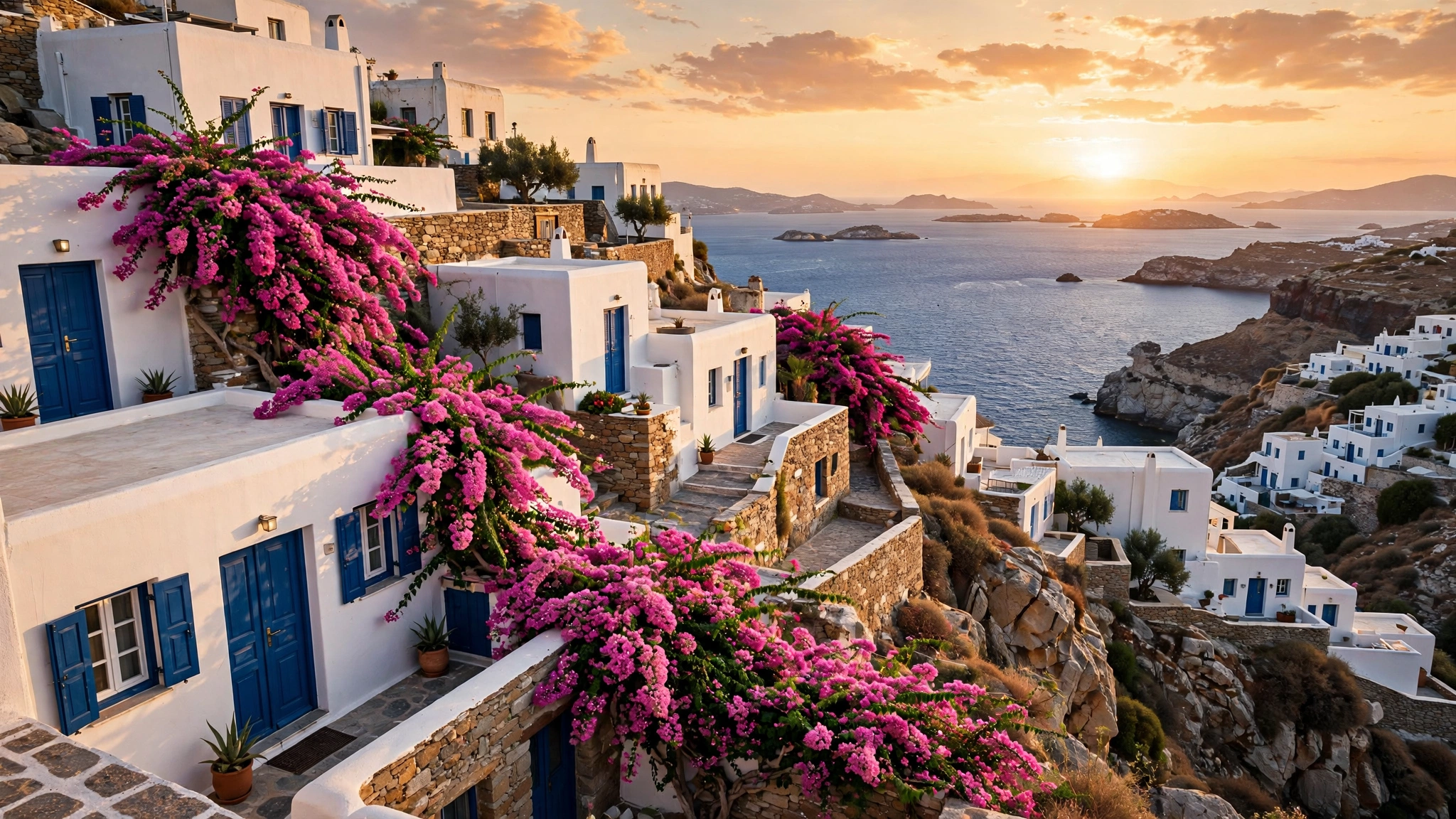
My Greece trip through the Cyclades led me to Sifnos — the eighth island on my journey — and it quickly became one of my favorite islands, right alongside Folegandros and Amorgos. What sets it apart is the sheer natural beauty: ultra-picturesque towns perched on cliffs, fragrant herb-scented hillsides, and some of the most fantastic views over the Aegean you will find in the Cyclades.
Sifnos keeps its laid-back, unpretentious vibe, offering an authentic Greek experience without sacrificing a solid selection of bars, tavernas, and things to do. It is famously home to more than 360 churches and monasteries — a staggering number even by Cycladic standards — often sitting in the most dramatic places, on hilltops with stunning panoramas.
The island also leads the Cyclades as a top hiking destination, with a network of well-marked stone trails (the “Sifnos Trails” network covers over 100 km) connecting villages, beaches, and chapels. And then there is the food: Sifnos is the birthplace of Nikolaos Tselementes, the chef who wrote the defining modern Greek cookbook, and the island’s kitchen still lives up to that reputation. Whether it is the delicious food, the natural beauty, or the authentic charm, Sifnos is an island you will not forget.
If three-day itineraries are your thing, we put together another one recently for a very different landscape — three days in Acadia National Park — worth a look if you are building a year of multi-day escapes.
Getting to Sifnos & Practical Tips
Getting there: Sifnos has no airport. Ferries run year-round from Piraeus (the port of Athens); the fast ferry takes about 2.5 hours, conventional ferries up to 5. In summer there are also connections to nearby islands like Paros, Naxos, Milos, and Santorini. Book summer crossings in advance — sifnos.gr (the island’s official tourism site) and visitgreece.gr are the most reliable places to plan the logistics.
Best time to visit: May, June, and September are the sweet spot — warm seas, everything open, fewer crowds. July and August bring peak prices and full beaches; winter is quiet, with many hotels and tavernas closed.
Where to stay: Apollonia (the capital) is the best base for first-timers — central, walkable, great tavernas. Artemonas is its prettier, quieter sibling, perfect for couples. Faros is the pick for a sleepy fishing-village feel, and Platis Gialos is the most convenient base if beaches are your priority. Book a car or scooter if you want to reach the more remote coves; the local bus network covers the main villages and beaches in season.
Budget (rough, 2026): Sifnos is mid-range by Cyclades standards — expect typical mid-range hotel rates in shoulder season, with prices climbing sharply in August. A simple taverna dinner for two runs modest; seafood and waterfront spots cost more. If you are costing out a bigger trip, our family road trip cost breakdown has a useful framework for budgeting any multi-day escape, not just road trips.
Day 1: Apollonia, Platis Gialos & Sunset in Kastro
Start with an authentic Greek breakfast at a local taverna — freshly baked spanakopita (spinach pie) and strong Greek coffee.
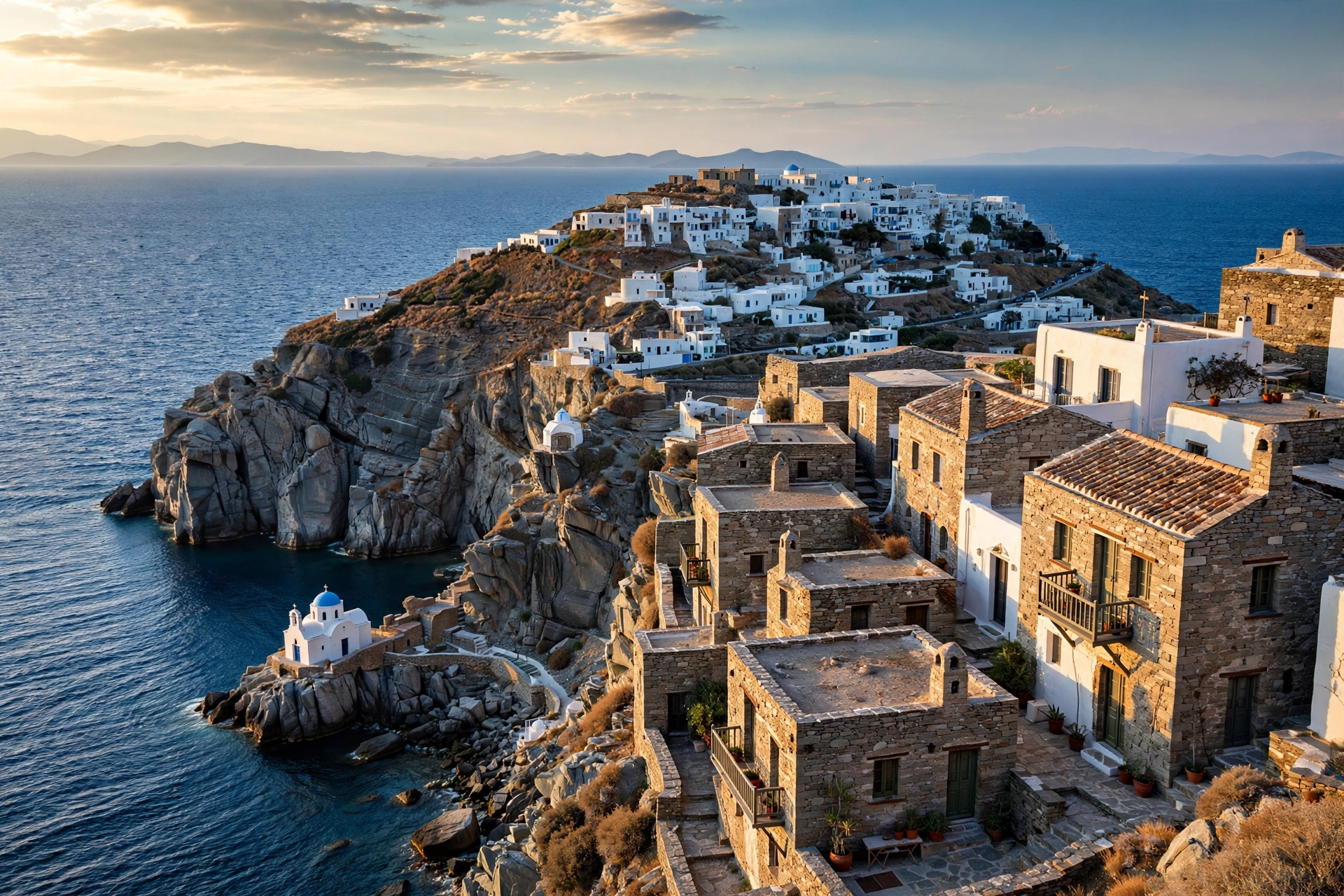
- Morning — Apollonia: Wander the island’s charming capital, where whitewashed houses draped in bougainvillea open onto picture-perfect alleys. Browse boutique shops and small galleries showcasing local pottery — Sifnos has a centuries-old ceramics tradition, and you will see potters’ workshops in Artemonas too. The Folklore Museum of Sifnos, in the old town, is a worthwhile hour for the island’s history and crafts.
- Afternoon — Platis Gialos: Head to the island’s most organized beach for a swim and a long lunch of fresh seafood and Greek mezes at a seaside taverna. The water here is calm and shallow — good for less confident swimmers.
- Evening — Kastro: Time your arrival for golden hour in Kastro, the ancient hilltop settlement on the east coast. Its medieval stone lanes, tiny white chapels, and the sea arch below make it the island’s best sunset spot. Have dinner back in Artemonas, trying the Sifnian classics: revithada (chickpea stew slow-cooked overnight in a wood oven — traditionally eaten on Sundays), mastelo (goat or lamb slow-roasted in a clay pot with dill and wine), and manoura cheese aged in wine lees.
Day 2: Hiking the Old Trails & the East Coast
Fuel up with a hearty breakfast, then walk one of Sifnos’s ancient stone paths — this is the island’s signature experience.
- Hiking highlights: The classic route is Apollonia → Artemonas → Kastro (about 2–3 hours with stops), passing olive groves, terraced hillsides, and the monastery of Panagia Poulati with its sweeping sea views. Trails are waymarked as part of the Sifnos Trails network — download the map before you go, carry water, and start early in summer heat. If you are hiking with little ones, our guide on realistic hiking distances by toddler age will help you pick a section that fits.
- Lunch in Faros: Descend (or drive) to Faros, a quiet fishing village on the southeast coast known for its fish tavernas. Afterwards, explore the small, quiet beaches along this coast — Glyfo, Apokofto, and the path around to Chrysopigi.
- Afternoon — Agios Andreas: Visit the archaeological site of Agios Andreas, where Mycenaean and 6th-century BC ruins sit above the sea — one of the most atmospheric ancient sites in the Cyclades.
- Evening: Rooftop dinner back in Apollonia, overlooking the whitewashed rooftops as the village lights come on.
Day 3: Beach Hopping & a Golden Farewell
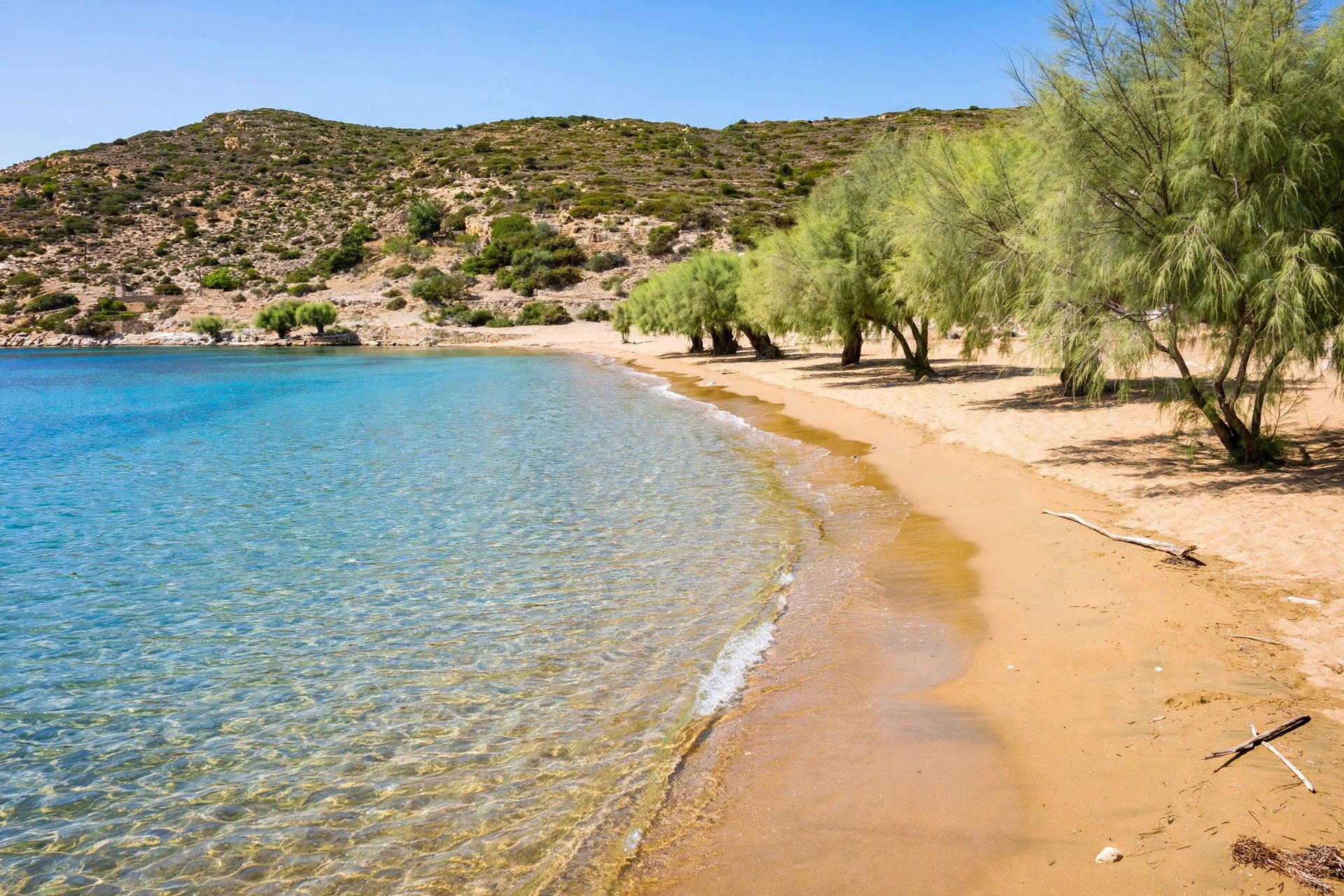
Devote your final day to Sifnos’s most beautiful coastal spots.
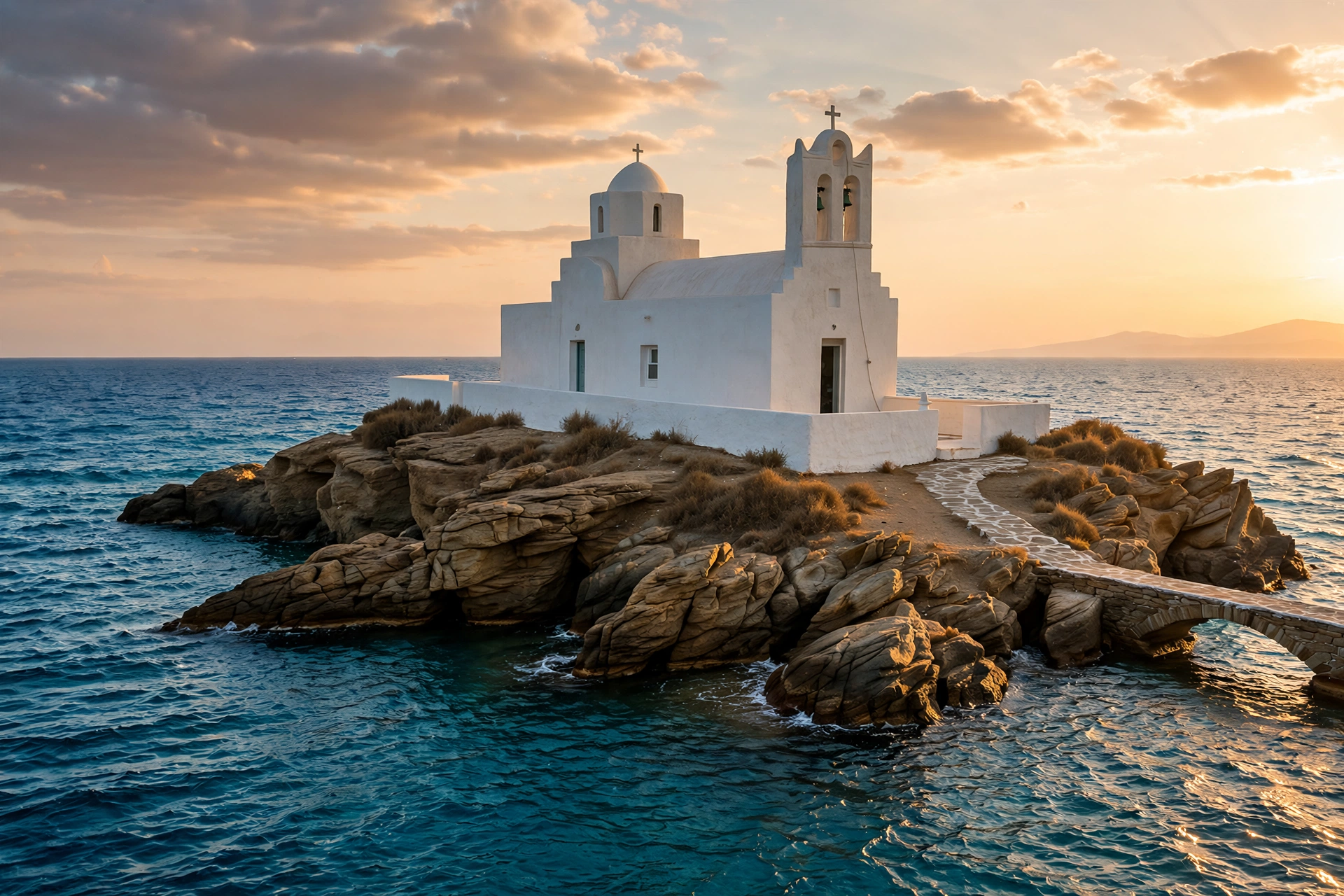
- Beach hopping: Start at Vathi Beach, a sheltered bay with turquoise water perfect for a morning swim, then head to Chrysopigi — home to the iconic whitewashed monastery perched dramatically on a rocky outcrop in the sea. The snorkeling around the rocks here is excellent.
- Lunch: A beachfront taverna at Platis Gialos, followed by a lazy walk toward Vroulidia Beach for a quieter afternoon.
- Farewell sunset: Climb to the Church of the Seven Martyrs area at Kastro (or the Venetian Castle ruins) for a final breathtaking sunset over the Aegean, then a farewell dinner at a traditional taverna — order the revithada if it is Sunday.
What to Eat in Sifnos
Sifnos’s food alone justifies the trip. Do not leave without trying: revithada (Sunday chickpea stew), mastelo (slow-roasted goat/lamb), manoura sifo (wine-aged cheese), melopita (honey pie), and amygdalota (almond sweets). Artemonas and Apollonia have the highest concentration of standout tavernas; Faros is the pick for fish.
FAQ: Visiting Sifnos
How many days do you need in Sifnos? Three days is the sweet spot for the highlights — Apollonia, Kastro, the main beaches, and one good hike. With five days you can slow down, visit the pottery villages, and day-trip nowhere at all.
Is Sifnos good for families? Yes — calm beaches like Platis Gialos and Kamares, short walkable villages, and easy trail sections make it one of the more family-friendly Cycladic islands. Late May, June, and September are the easiest months with kids.
How do you get around Sifnos? Local buses connect Apollonia with the main beaches and villages in season. A rental car or scooter gives you the most freedom; many visitors also just walk the old trails between villages.
What is Sifnos known for? Its 360+ churches, the Sifnos Trails hiking network, a celebrated food culture (birthplace of chef Nikolaos Tselementes), traditional pottery, and a relaxed, authentic atmosphere that bigger Cycladic islands have lost.
When is the best time to visit Sifnos? May, June, and September — warm weather, open businesses, and thinner crowds. August is peak season with the highest prices.
