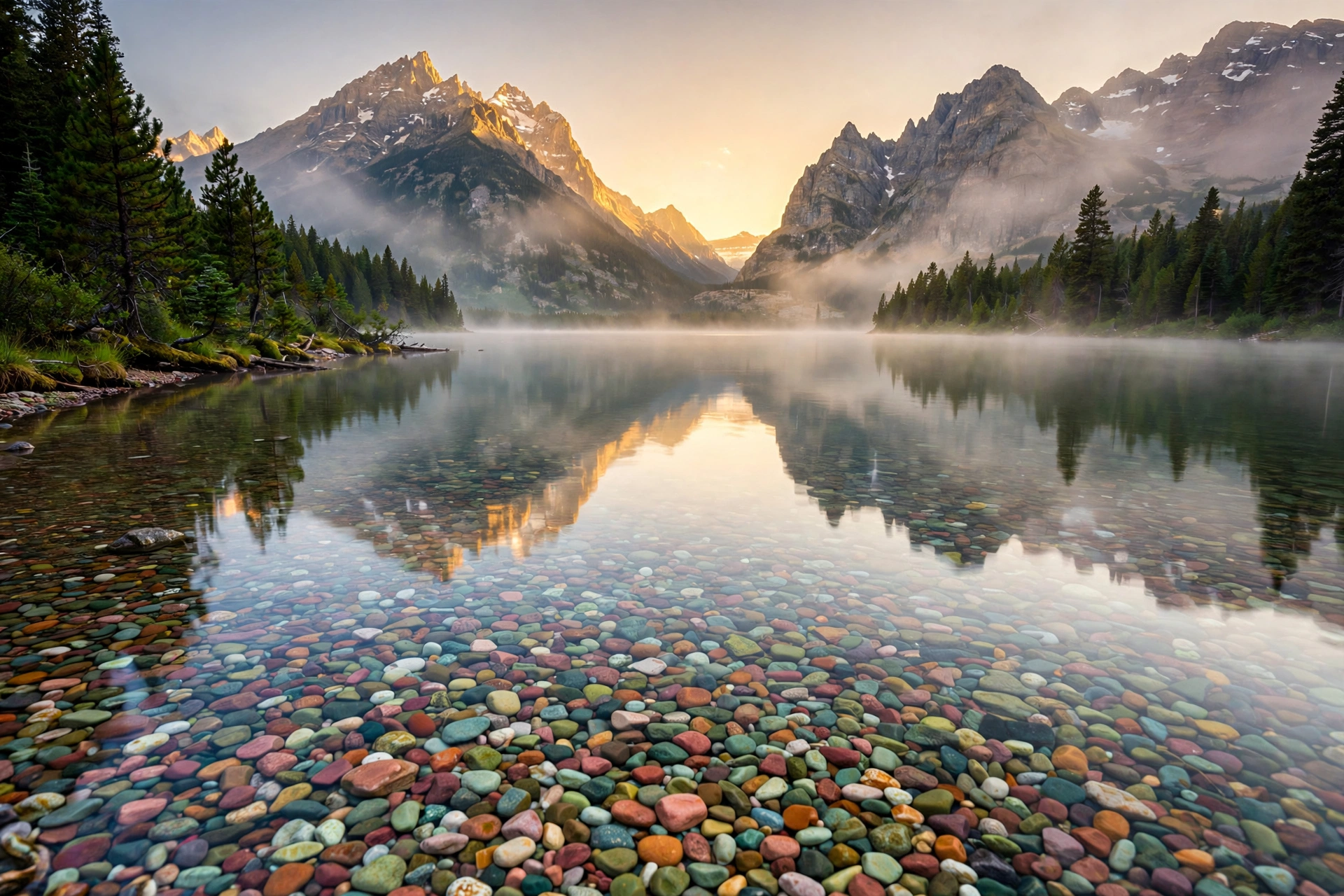
Glacier National Park has always been one of my favorite places, and my two-week visit in July left me completely in love with the west side. Known as the “Crown of the Continent,” the park is a treasure trove of jagged peaks, turquoise lakes, and glacier-carved valleys, with wildlife around nearly every bend. My first trip happened during the 2020 season, when the East Glacier entrances were closed and I got an accidental deep-dive into the west side only — and honestly, it was the best possible accident. The west side alone is packed with enough adventures for two full weeks.
Since that first trip, the park’s access rules have changed several times (including the reservation system that ran from 2021 through 2025, which is now gone), so I’ve fully updated this guide with current 2026 information. From planning and pet rules to the best easy and adventurous hikes, here is everything you need for the west side of Glacier — refreshed, fact-checked, and ready for your trip.
Quick Facts About Glacier National Park
Glacier National Park officially became a National Park in 1910, preserving its stunning landscapes for future generations. Today, only 26 glaciers remain in the park (down from around 80 in 1850), a sobering reminder of how quickly the landscape is changing. The park is home to 276 species of birds and 71 species of mammals, including loons, bald eagles, ptarmigans, grizzly bears, bighorn sheep, elk, lynx, mountain goats, wolverines, pikas, and mountain lions.
The Waterton-Glacier International Peace Park was formed in 1932, uniting Glacier National Park in the U.S. and Canada’s Waterton Lakes — the first International Peace Park in the world. The lands of the park hold deep history and culture for the Kootenai, Salish, Blackfeet, and Pend d’Oreille tribes, who have lived here for centuries.
Planning Your Visit
Bringing Your Furry Friends: Pet Guidelines
If you’re planning to bring your pets, note that they are restricted to developed areas such as picnic areas, front-country campgrounds, parking areas, and boats with motorized watercraft. They are not allowed on trails, in the backcountry, or near non-developed lakeshores. Keep your pet on a leash no longer than 6 feet, clean up their waste, and never leave them unattended. Familiarize yourself with the pet rules to ensure a smooth visit.
Staying Safe in Bear Country
Glacier is home to grizzly bears, so bear safety is essential. While hiking, make noise by singing or clapping to alert bears of your presence. Always carry bear spray like Counter Assault Bear Spray and hike in groups if possible. Keep bear spray where you can reach it fast — hip holster or pack strap, not buried in your bag. Properly store food and scented items in your vehicle or bear lockers, and stay aware of your surroundings at all times.
Navigating Going-to-the-Sun Road (2026 Access Rules)
The biggest thing to know before your trip: Glacier does not require vehicle reservations anywhere in the park for the 2026 season. The ticketed-entry system that ran from 2021 through 2025 has been discontinued — you simply show a valid park pass or pay the entrance fee at the gate and drive in. That said, capacity still matters: when parking lots fill, staff can temporarily hold vehicles until space opens, so starting early is more important than ever.
One rule is new for 2026: during the summer pilot (July 1 through September 7), private-vehicle parking at Logan Pass is limited to three hours, and a ticketed shuttle system serves visitors planning longer hikes from the pass. Access rules change almost every year at Glacier, so verify the current-season details on the official NPS site before you go.
Staying Connected: Cell Phone Service
Cell phone service is extremely limited in Glacier. I recommend downloading offline maps (I use the AllTrails+ offline feature) and carrying a paper park map for navigation. Let someone know your hiking plans before you head out, and never rely on your phone as your only navigation.
Practicing Leave No Trace
Follow the Leave No Trace principles to protect Glacier’s environment: Plan Ahead & Prepare, Travel & Camp on Durable Surfaces, Dispose of Waste Properly, Leave What You Find, Minimize Campfire Impacts, Respect Wildlife, and Be Considerate of Others. If you’re traveling with kids, our Leave No Trace for kids guide makes these rules fun for little ones.
Best Time to Visit
The ideal months to visit are July and August, when Going-to-the-Sun Road is fully open and all the trailheads are snow-free — though these are also the peak crowds. During my July visit, there was still snow in some areas at higher elevations. For fewer crowds, consider late June or September, but be prepared for possible weather swings and partial road closures. The road is typically plowed all the way through by late June or early July, and the high country can hold snow well into July.
Reaching Glacier National Park: Your Travel Options
Glacier National Park is nestled in northwest Montana, close to the Canadian border. If you’re flying, Glacier Park International Airport (FCA) in Kalispell is your best bet. For a scenic route, hop on Amtrak’s Empire Builder train, which stops in East Glacier, West Glacier, and Whitefish. Road trippers can make it an adventure in itself — about 9 hours from Seattle or 15 hours from Denver. The West Entrance, just past West Glacier Village, is your gateway to Lake McDonald, Apgar Village, and the iconic Going-to-the-Sun Road.
Entrance fee: the standard private-vehicle pass is $35, valid for 7 days. The America the Beautiful annual pass ($80) covers it too and pays for itself if you’ll visit several parks this year. Our family road trip cost breakdown can help you budget the whole trip, and don’t miss the free things to do in national parks — ranger programs and overlooks are some of Glacier’s best, and they’re free.
Where to Stay: Campgrounds and Lodges
On the west side of Glacier, you’ll find a variety of accommodations. For campers, there are private campgrounds like West Glacier KOA and Glacier Campground, or you can stay inside the park at campgrounds like Fish Creek and Avalanche. Book in-park sites on Recreation.gov — reservable sites typically open 6 months ahead and July dates go fast. If you prefer spontaneity, try first-come, first-served options like Bowman Lake, Kintla Lake, Quartz Creek, or Logging Creek. For a more comfortable stay, check out Lake McDonald Lodge or the Village Inn at Apgar, both in the Lake McDonald area.
New to family camping? Our 47-item family camping checklist covers everything to pack, and if your campsite search is coming up empty, how to find last-minute campsite cancellations is worth bookmarking.
Nearby Towns: Hotels and Convenience
If camping or lodges aren’t your style, nearby towns offer excellent hotels. West Glacier, Columbia Falls, Whitefish, and Kalispell are all close to the park and provide easy access to its attractions. These towns are perfect for those who want to stay near the park without roughing it. Whitefish is the most charming of the bunch, with a great downtown for a rest day.
Must-Do Easy Activities & Hikes
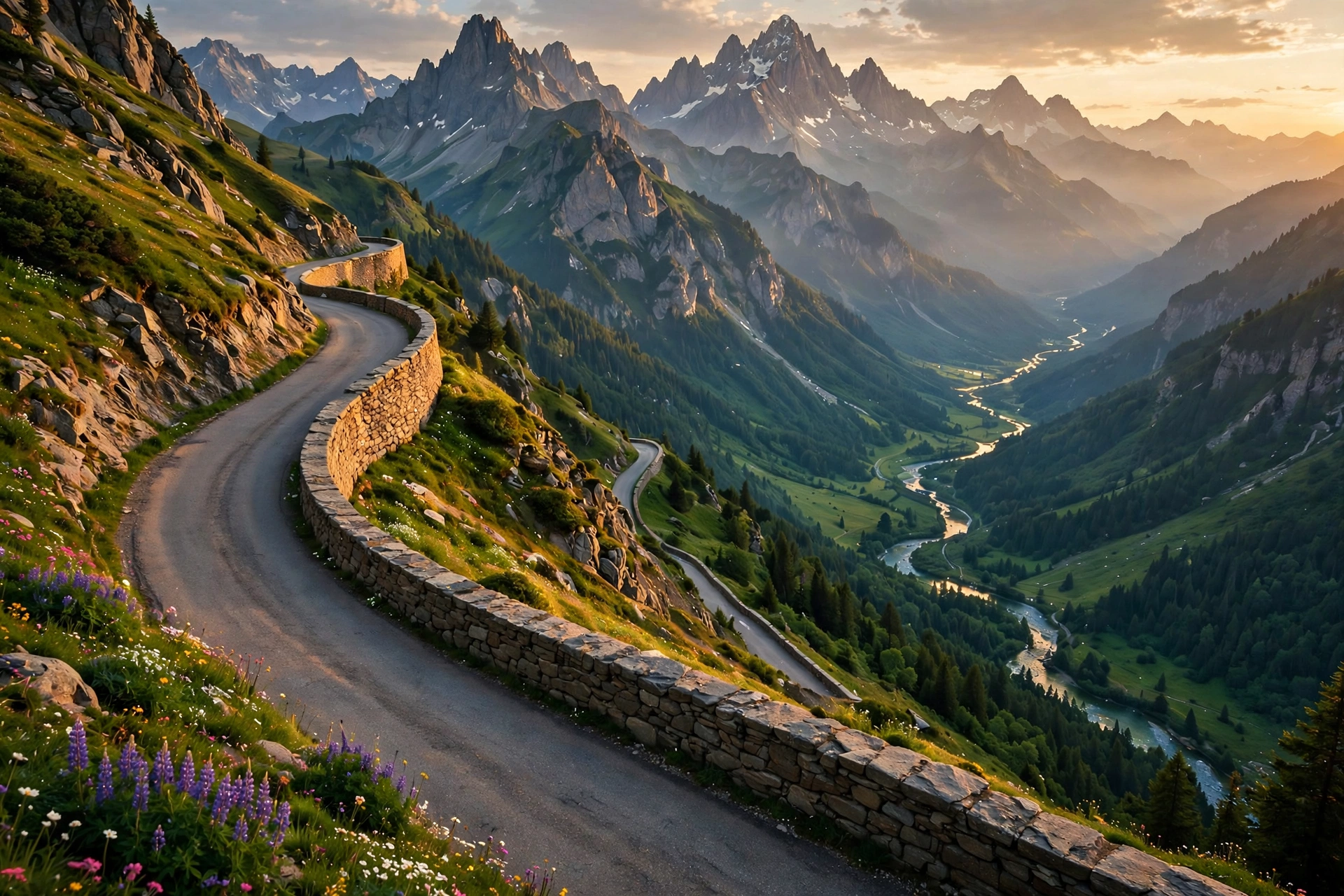
For those seeking easier activities in Glacier National Park, start with the iconic Going-to-the-Sun Road, a 50-mile scenic drive that cuts through the heart of the park. This route offers jaw-dropping scenery of towering mountains, lush valleys, and the chance to spot wildlife like bighorn sheep or mountain goats.
Make sure to stop at pull-outs and overlooks to soak in the views, especially at Logan Pass, which sits at 6,646 feet and marks the Continental Divide. Roll down your windows, feel the crisp mountain air, and enjoy the ride as you wind through this breathtaking corridor.
If you prefer short hikes over a full day of hiking, the park has plenty to offer. Trails like Avalanche Lake or Hidden Lake Overlook are popular hikes that are manageable in one day and reward you with stunning vistas. Pair these with a leisurely drive along the scenic drive to make the most of your visit. Traveling with little ones? Our guide to realistic trail distances for toddlers will help you pick the right hike for your family.
Hike to Hidden Lake Overlook
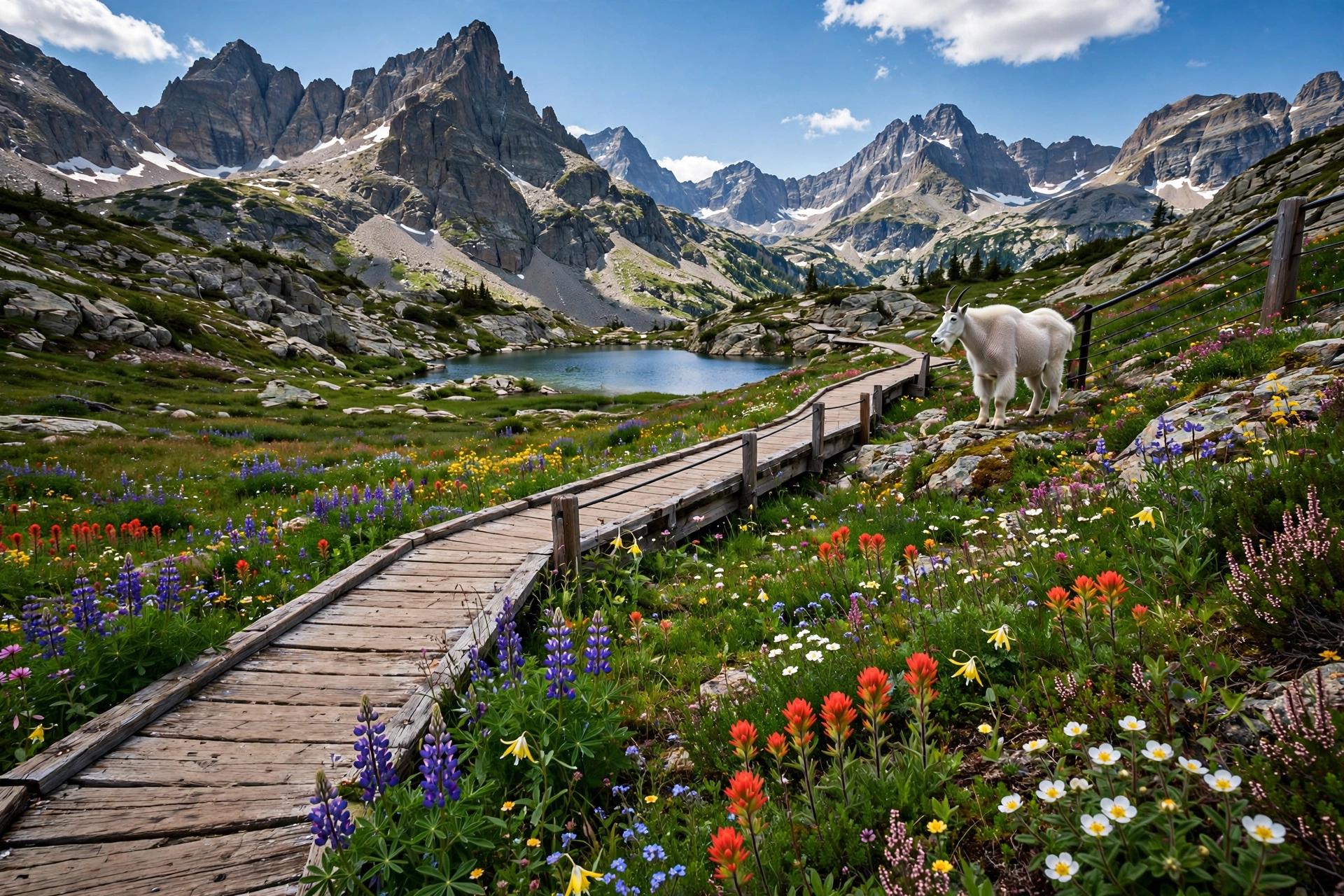
If you’re exploring the Glacier National Park west side, the Hidden Lake Overlook trail is a must-do. This hike is easy to moderate, with an elevation gain of 567 ft over a short distance, making it accessible for most visitors. The 2.9-mile roundtrip journey is an out-and-back route offering stunning mountain views and chances to spot wildlife like mountain goats and rams. I’ve personally hiked this trail and can vouch for its breathtaking scenery — it’s a perfect blend of adventure and tranquility.
Hidden Lake Details:
- Distance: 2.9 miles roundtrip
- Route Type: Out-and-Back
- Elevation Gain: 567 ft
- Difficulty: Easy/Moderate
- Trailhead: Logan Pass Visitor Center
- Parking: The Logan Pass lot fills before 9 a.m. in July and August — arrive at sunrise, or use the seasonal shuttle system when it’s running
Relax at Lake McDonald
As you enter Glacier National Park through the West entrance, Lake McDonald greets you with its iconic views, making it one of the first sights you’ll see. This perfect location is ideal for a swim in its refreshing (read: very cold) water after a long day of hiking or to paddle around the lake — rentals are available in Apgar Village. For a more relaxed experience, take a stroll along the lakeside or treat yourself to ice cream from one of the nearby concession stores.
I’ve spent countless hours at Lake McDonald, whether enjoying breakfast, drinking coffee, or skipping rocks at sunset. It’s a great spot to start or end your day, offering a peaceful escape amidst the beauty of Glacier.
Explore the Hike to Avalanche Lake
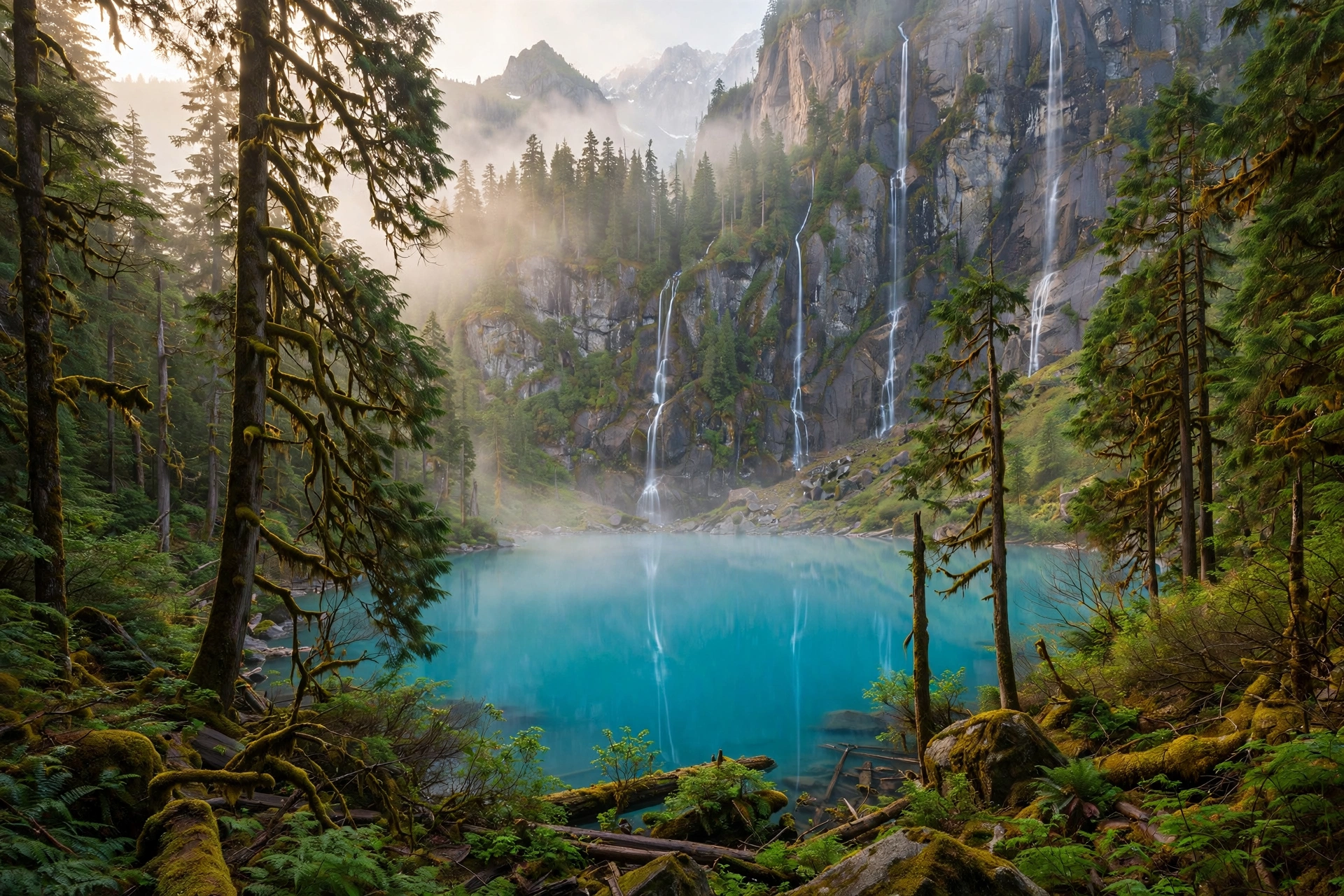
The Avalanche Lake hike is a popular family-friendly hike for good reason — it’s a moderate hike with an elevation gain of 730 ft and offers a beautiful journey through a wooded area to the stunningly clear Avalanche Lake. The trail begins on the Trail of the Cedars, a boardwalk through a grove of towering trees alongside a strikingly blue river. As you continue, the path leads to the lake, a great place to take a break, eat some lunch, and soak in the serene surroundings.
Avalanche Lake Info:
- Distance: 4.5 miles roundtrip
- Route Type: Out-and-Back
- Elevation Gain: 730 ft
- Difficulty: Moderate
- Trailhead: Trail of the Cedars trailhead (off Going-to-the-Sun Road)
- Parking: Arrive by 8:00 a.m. or after 1:00 p.m. to secure parking at the trailhead lot. Alternatively, park at the Lake McDonald Lodge area and use the shuttle system to reach the trailhead.
Discover St. Mary and Virginia Falls
If you’re a waterfall chaser or looking for an easier hike, the St. Mary and Virginia Falls Trail is perfect for you. This 3-mile roundtrip hike takes you to two waterfalls — St. Mary Falls, which drops about 35 feet with water in a beautiful turquoise color, and Virginia Falls, which plunges 50 feet. The distance is 2.9 miles roundtrip with an elevation gain of 452 ft, making it an easy hike. The trailhead starts at the St. Mary Falls Trailhead, but if the parking lot is full, you can use the shuttle when it’s running.
Bowman Lake Info
Location: Just north of Polebridge, about a 1.5-hour drive from Apgar in the West Glacier area.
Access: Drive on Bowman Lake Road, a narrow, bumpy dirt road. Drive slowly and be ready to pull to the side for other vehicles. The Polebridge area itself is worth the trip — stop at the Polebridge Mercantile for legendary huckleberry bear claws.
Activities: Day-use picnic area, hiking trails, swimming, fishing, kayaking, or simply enjoying the view. It’s far quieter than the Lake McDonald area.
Experience: One of my favorite lakes on my trip, and I’d love to hike near it in the future.
Must-Do Adventurous Hikes
For those seeking longer and more challenging adventures, Glacier National Park offers all-day or multi-day hikes that provide a deeper look into its stunning beauty. These trails are perfect for adventurers who want to explore the park’s rugged terrain and breathtaking landscapes.
Grinnell Glacier Overlook via the Highline Trail
Starting at Logan Pass, the Grinnell Glacier Overlook via the Highline Trail is a must-do for those who want to see a glacier up close. The hike begins on the Highline Trail, offering incredible views of the park. A highlight is the quarter-mile ledge section, which can be intimidating for those afraid of heights, but the trail is wide and features a cable for support.
After 7 miles, you’ll reach the Garden Wall Trail, where a steep climb of 900 feet in less than a mile leads to the top. From here, you’ll enjoy a stunning view of Grinnell Glacier and its glacial lakes.
Trail Info:
- Distance: 15.5 miles roundtrip
- Route Type: Out-and-Back
- Elevation Gain: 2,830 ft
- Difficulty: Hard
- Trailhead: Highline Trailhead (off Going-to-the-Sun Road)
- Parking: Logan Pass Visitor Center (arrive before 8 a.m. to secure a spot in summer)
Siyeh Pass Trail
The Siyeh Pass Trail is a favorite among hikers for its diverse scenery. The trail takes you past a river, through a forest, and across meadows before climbing switchbacks to the top of Siyeh Pass. The outstanding views from the pass are worth the effort. You can either turn back or continue to Sunrift Gorge near Saint Mary Lake. If the shuttle service is running, you can take it back to your car.
Trail Info:
- Distance: 9.7 miles
- Route Type: Point-to-Point
- Elevation Gain: 2,234 ft
- Difficulty: Hard
- Trailhead: Siyeh Bend Trailhead (2 miles east of Logan Pass)
- Parking: Available at the trailhead; use the shuttle for return trips
Grace Lake via Logging Lake Trail
For a more secluded experience, the Grace Lake via Logging Lake Trail is a great choice. Located in the Polebridge area, this lengthy trail of about 26 miles roundtrip takes you through secluded landscapes. Along the way, you’ll pass Logging Lake, which offers backcountry camping options. The trail is also known for its huckleberries, which are abundant in late July and August.
Trail Info:
- Distance: 25.6 miles roundtrip
- Route Type: Out-and-Back
- Elevation Gain: 2,158 ft
- Difficulty: Moderate (but long)
- Trailhead: Logging Lake parking lot (accessed via Polebridge Entrance)
- Parking: Drive from West Glacier takes 1 to 1.5 hours
Otokomi Lake
The hike to Otokomi Lake is a hidden gem and less crowded than other trails. It’s an uphill climb to the lake, but the effort is rewarded with the chance to take a dip in the chilly water. This 10+ mile hike is perfect for those looking for a quieter adventure.
Trail Info:
- Distance: 10.4 miles roundtrip
- Route Type: Out-and-Back
- Elevation Gain: 2,303 ft
- Difficulty: Hard
- Trailhead: Rising Sun Parking Lot
Best Locations to Watch the Sunrise and Sunset
For a magical sunrise experience, head to Lake McDonald. This spot is perfect for those who want beautiful, colorful reflections without the effort of a hike. The shoreline is large, making it easy to access and find a quiet spot to enjoy the morning light. If you’re staying at one of the west side campgrounds, it’s just a short drive away, so you don’t have to wake up too early, even in the summer. The Apgar Village shore is my favorite sunrise spot — arrive 20 minutes before sunrise for the best color.
If you prefer sunset, Big Bend is a fantastic choice. Located along Going-to-the-Sun Road, this pull-out allows you to park your car and watch the last light hit the mountains without needing to walk far. It’s a popular spot for wedding photos, but there’s plenty of space for everyone to take in the incredible views. After a long day of hiking, it’s the perfect way to unwind. Logan Pass at sunset is another stunner if you can snag a parking spot late in the day — the light on Clements Mountain is unforgettable.
Frequently Asked Questions
Do I need a vehicle reservation for Glacier National Park in 2026?
No. For the 2026 season, Glacier does not require vehicle reservations anywhere in the park, including Going-to-the-Sun Road, Many Glacier, Two Medicine, and the North Fork. The ticketed-entry system that ran from 2021 through 2025 has been discontinued. Note that a ticketed shuttle pilot ran at Logan Pass in summer 2026, so always check the NPS site for the current season’s rules.
How much does it cost to enter Glacier National Park?
A private-vehicle entrance pass is $35 and valid for 7 days. The America the Beautiful annual pass ($80) also covers Glacier and is a great deal if you’ll visit multiple parks in a year.
Are dogs allowed in Glacier National Park?
Only in developed areas — campgrounds, picnic areas, parking lots, and roads. Dogs are not allowed on trails, in the backcountry, or on park shuttles, and must stay on a leash no longer than 6 feet at all times.
What is the best month to visit Glacier’s west side?
July and August offer the most open trails and the full Going-to-the-Sun Road, but also the biggest crowds. Late June and September can be wonderful with fewer people, though high-elevation trails may still hold snow and some services start closing after Labor Day.
Is there cell service in Glacier National Park?
Essentially no — service is limited to a few spots near the entrances. Download offline maps before you arrive and carry a paper map.
How many days do I need for Glacier’s west side?
Plan at least 3–4 full days to cover the highlights (Going-to-the-Sun Road, Lake McDonald, Avalanche Lake, Hidden Lake Overlook) plus one or two longer hikes. A full week lets you add the Polebridge area and Bowman Lake without rushing.
The west side of Glacier National Park is the kind of place that quietly rewrites your list of favorite places on earth. Whether you spend your days on the easy lakeside trails or push deep into the backcountry, every turn of Going-to-the-Sun Road reminds you why this park is called the Crown of the Continent. I hope this updated guide helps you plan a trip you’ll remember for years — and if you go, wake up for at least one sunrise at Lake McDonald. You won’t regret it.

1 comment
[…] numerous towns where hikers can resupply. Whether you’re a seasoned hiker or tackling your first long-distance trek, understanding how to manage your food and supplies is crucial for a successful and enjoyable […]