This post contains affiliate links. If you buy through them, TravelAle may earn a small commission at no extra cost to you. Read our Affiliate Disclosure.
Give a child a chair of their own at camp and something small but real changes: they stop perching on logs, stop borrowing your chair, and stop wandering off because they have nowhere comfortable to sit. A good kids camping chair is low enough for little legs to reach the ground, light enough for a child to carry, and stable enough that it does not tip when they lean over to grab a snack. The wrong one — usually a cheap adult-sized chair or a flimsy character chair — tips, pinches fingers, or gets abandoned after one trip. This guide walks you through choosing by age, from toddlers to tweens, so you buy once and the chair actually gets used.
Our Top Picks on Amazon
KABOER Kids Outdoor Folding Lawn and Camping Chair — Best all-round first chair: a truly kid-sized folding seat with a cup holder and carry bag, in fun prints kids actually want to sit in. Check Price on Amazon
Melissa & Doug Sunny Patch Giddy Buggy Folding Lawn & Camping Chair — Best for ages 3–5: a low seat, a cup holder at small-arm height, water-resistant fabric, and a matching carry bag. Check Price on Amazon
Venture Forward Youth Outdoor Canopy Chair — Best for sunny days and older kids: an adjustable canopy for shade, a cup holder, and a carry bag in a roomier youth size. Check Price on Amazon
Prices change often — check Amazon for the current price. Affiliate Disclosure
Why a Kid-Sized Chair Actually Matters
An adult camping chair is built for a grown body: the seat sits around 18 inches off the ground, the armrests are wide, and the frame expects adult weight to keep it planted. Put a five-year-old in one and their feet dangle, they have to climb in and out, and the chair tips far more easily when they lean. A kid-sized chair fixes all three problems at once. The seat height is roughly 10 to 14 inches, so small feet touch the ground and the child can get up without help. The frame is narrower, so it fits a small body instead of swallowing it. And because the chair is theirs — their color, their cup holder, their spot by the fire — kids are far more likely to actually sit in it instead of wandering into the road or the fire ring.
There is a second, quieter benefit. A chair gives a child a defined home base at camp. When the grown-ups are cooking or setting up the tent, a child with their own seat, a book, and a drink stays put and content. Parents who camp with toddlers know how much that matters: one safe, comfortable seat can be the difference between a relaxed evening and an hour of chasing a wandering two-year-old around the campground.
How to Choose a Kids Camping Chair: 6 Things to Check
Shopping for a kids camping chair is simpler than shopping for adult gear, but the details still matter. Run every chair through these six checks before you buy.
1. Seat height: can their feet touch the ground?
This is the single most important fit check. Have your child sit in the chair (or check the listed seat height): their feet should rest flat on the ground with knees bent at roughly a right angle. A seat height of about 10 to 12 inches suits toddlers and preschoolers; 12 to 14 inches suits school-age kids. If their feet dangle, the chair is too tall, and they will slide forward, fidget, or tip it trying to climb down.
2. Weight limit: buy for next year, not just today
Check the manufacturer’s listed weight limit and compare it with your child’s weight plus a little growing room. A chair rated to 100 pounds or more will usually last a preschooler through the early school years, while a youth chair rated to 150 pounds or more can carry a tween and even a small teen. If the limit is barely above your child’s weight today, expect to replace the chair within a season.
3. Safety lock: the feature that prevents pinched fingers
Folding chairs pinch. The best kids chairs include a safety lock on the frame that keeps the chair from folding shut while a child is sitting in it — and keeps little fingers away from the scissor joints when it is being opened. When you compare chairs, look for the words “safety lock” in the product description. Teach your child the rule too: grown-ups open and close the chair; kids sit in it.
4. Stability: wide feet and a low center of gravity
Campsites are rarely flat. A chair with wide, flat feet grips uneven ground better than one with narrow tube feet, and a low, wide seat is harder to tip than a tall, narrow one. If your child is the wiggly type, favor a quad-style chair with four solid legs over a moon chair or a hammock-style seat, which rocks and tips more easily.
5. Weight and pack size: who carries it?
A kids chair should be light enough for the kid to carry — most good ones weigh 2 to 4 pounds and fold into their own carry bag. If the chair is heavier than your child’s backpack, you will end up carrying it, which defeats the purpose. Check the folded size too: it should tuck into the car without a fight. If your camper is still in the baby stage, seating works differently — our portable camping high chair guide covers mealtime seats for the youngest campers.
6. Fabric: wipe-clean beats pretty
Kids spill things. Juice, marshmallow, mud, sunscreen — all of it lands on the chair. Water-resistant, wipe-clean fabric (usually polyester over a steel frame) will survive a season of that; thin cotton-style fabric will stain on the first trip and stay damp after rain. A cup holder is worth having too: it keeps drinks off the ground and out of the tent.
Best Camping Chairs for Kids by Age
Age is the fastest shortcut to the right chair. A two-year-old and a ten-year-old need almost opposite things, and the chairs that suit them are built differently. Use these bands as a starting point, then check seat height and weight limit against your own child.
Toddlers (ages 2–3): low, locked, and simple
Toddlers need the lowest seat you can find, a safety lock, and nothing to climb on. A simple quad chair with a 10-inch seat height is ideal. Avoid hammock chairs, moon chairs, and anything with a canopy a toddler can pull down on themselves. At this age the chair is mostly a supervised seat for meals and story time, so keep it close to you and never leave a toddler in a chair near the fire ring or water. Our kids camping cots guide covers the other half of toddler camp comfort: off-the-ground sleep.
Preschoolers (ages 3–5): the sweet spot for character chairs
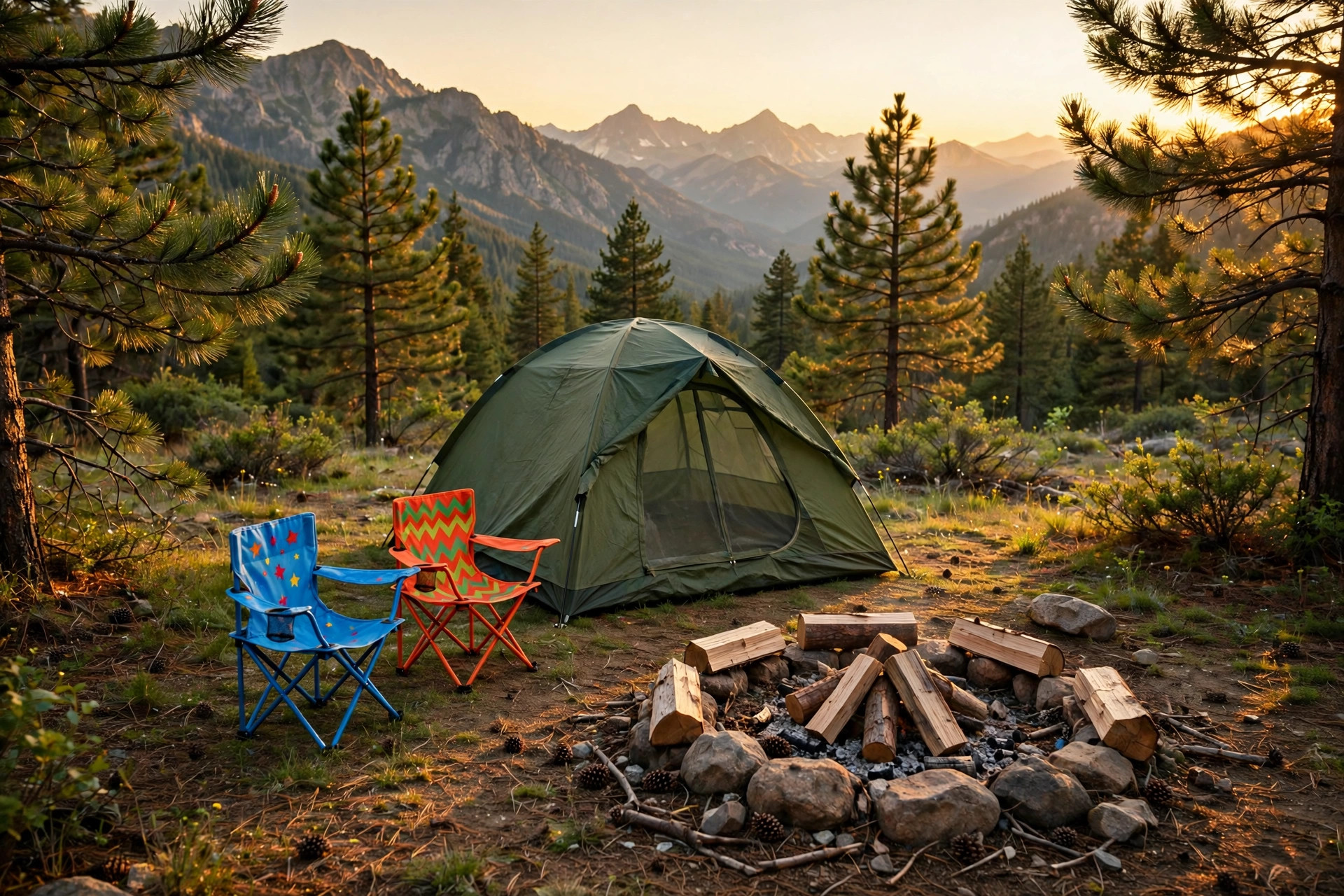
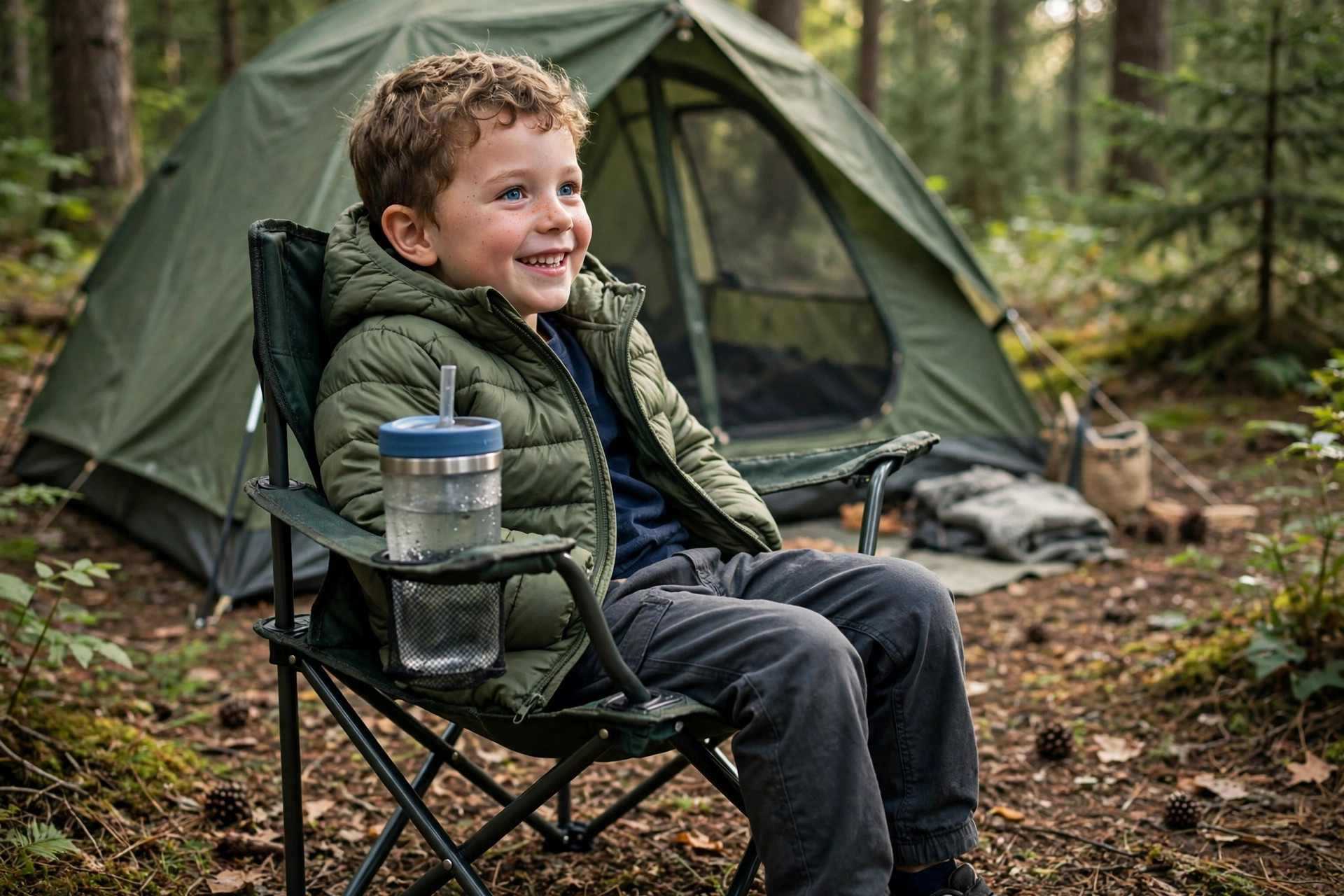
This is the age when a fun print actually matters. A chair with a butterfly, bug, or dinosaur design gives a preschooler a reason to sit down — and sitting down is half the battle at this age. The Melissa & Doug Giddy Buggy chair is a classic pick here: a low seat, a cup holder, water-resistant fabric, and a carry bag, sized for ages 3 and up. The KABOER kids folding chair is the budget-friendly alternative in the same age band, with the same folding design, cup holder, and carry bag. Either one works; pick the print your child likes, because a chair they love is a chair they use.
School-age kids (ages 6–9): room to grow
By six, kids want a chair that looks less like a baby seat and more like yours. Look for a youth-sized quad chair with a seat height around 13 to 14 inches and a weight limit well above their current weight. This is also the age for a canopy chair on sunny trips: shade over their seat means fewer sunburns and fewer complaints. The classic first chair many family camping blogs recommend at this age is the Coleman Kids Quad Chair — a straightforward, sturdy quad chair that has been around for years — and the REI Co-op Kids Camping Chair is the step-up pick if you want a chair that lasts from age four to ten.
Tweens (ages 10+): youth size, adult features
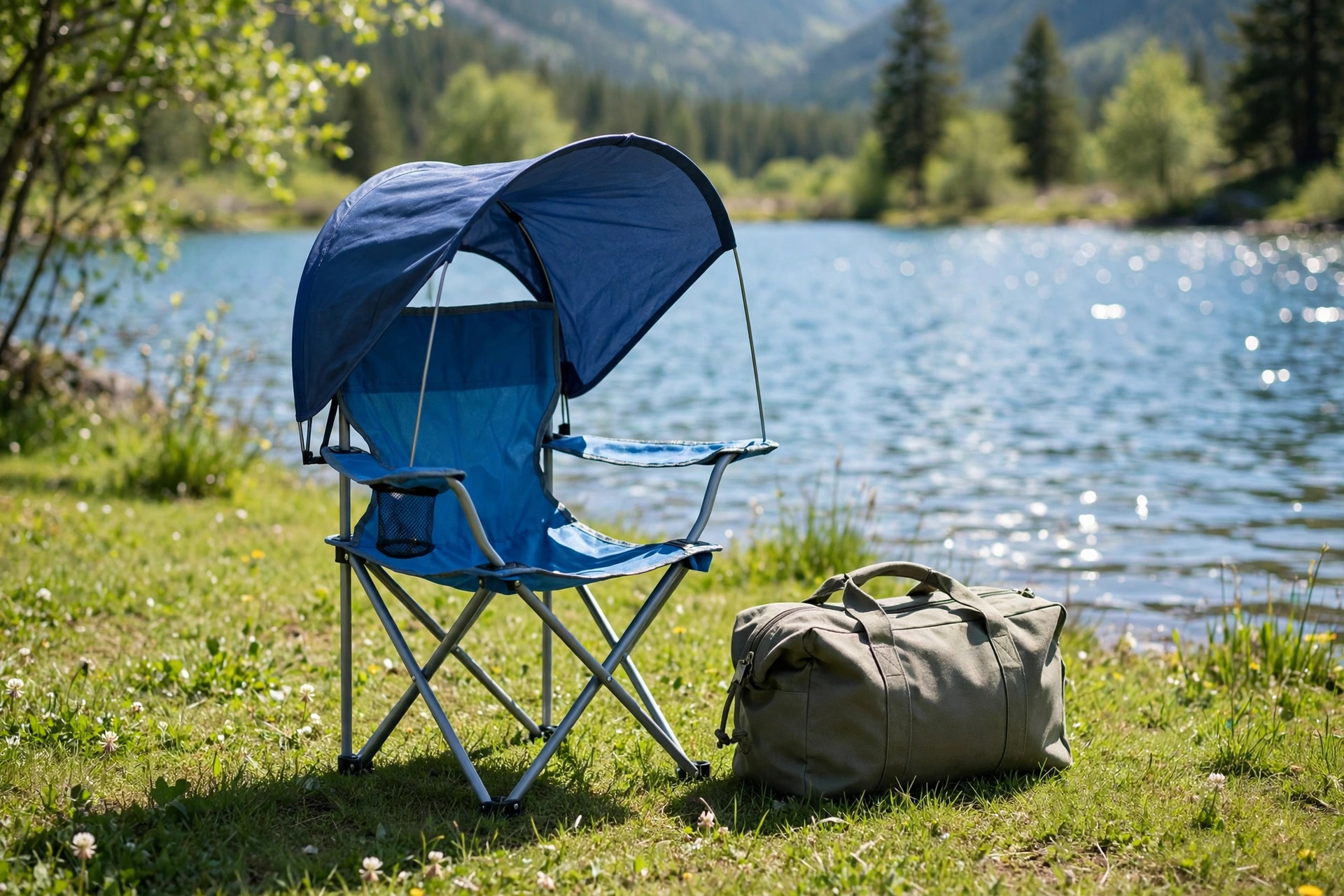
Tweens usually refuse anything that looks like a little-kid chair, so the answer is a youth-sized chair with adult features: a canopy for shade, a real cup holder, and a frame that holds 150 pounds or more. The Venture Forward Youth Canopy Chair fits this band well — adjustable shade, a cup holder, a carry bag, and a roomier youth size that does not look like a toddler seat. At this age, let them choose the color. A tween who picked their own chair will carry it themselves, which is the whole point.
Quick Comparison: The Chairs in This Guide
| Chair | Best for | Standout feature | Carry bag |
|---|---|---|---|
| KABOER Kids Folding Camping Chair | Best all-round first chair, ages 3–8 | Fun prints, truly kid-sized seat | Yes |
| Melissa & Doug Giddy Buggy Chair | Ages 3–5, preschoolers | Water-resistant fabric, cup holder | Yes |
| Venture Forward Youth Canopy Chair | Older kids and tweens, sunny days | Adjustable sun canopy | Yes |
| Coleman Kids Quad Chair | A classic first chair, ages 3–7 | Simple, sturdy quad design | Yes |
| REI Co-op Kids Camping Chair | Ages 4–10, buy-once families | Grows with your child | Yes |
Use the table to narrow it to two options, then decide on the one your child will actually sit in. Fit beats features: the right seat height matters more than any extra pocket.
Safety First: 6 Rules Before Your Child Sits Down
A kids chair is safe when the grown-ups set the rules. Run through this checklist on your first trip with a new chair:
- Grown-ups open and close the chair. The folding joints are where fingers get pinched. Teach kids never to fold or unfold their own chair.
- Check the lock clicks. If the chair has a safety lock, make sure it is engaged before your child sits down.
- Feet flat, four legs down. A chair with a leg hanging off a rock or a root will tip. Move it to flat ground first.
- Keep chairs away from the fire ring. Set a clear rule: chairs stay at least a big step back from the fire, and nobody stands on a chair to reach anything.
- Shade is not sunscreen. A canopy chair helps, but it does not replace sunscreen, a hat, and water on hot days.
- Check weight limits before big kids borrow it. A chair rated for a small child can collapse under an adult or a teenager — and that is how frames bend and fingers get hurt.
For the wider picture on camp safety, the National Park Service camping guidance is a solid starting point before any family trip, and you can book a family campsite on Recreation.gov once you know where you are headed.
Packing, Cleaning, and Making the Chair Last
A kids camping chair lives a rough life: it gets dragged through dirt, left out in the rain, and stuffed into a crowded car. A little care stretches it from one season to three or four. Shake the sand out before you fold it — grit in the joints is what makes folding mechanisms stiff and squeaky. If it gets wet, open it up at home and let it dry fully before storing it, or mildew will set in on the fabric. Wipe the seat with a damp cloth after each trip; most mud and food comes off easily if you do it the same day. Store it in its carry bag, in a dry spot, rather than loose in the garage.
Packing-wise, give the chair a fixed home in the car — ideally somewhere your child can reach it themselves. The moment a child can pull out their own chair, carry it to the fire ring, and set it up (with your help on the lock), they have real ownership of their campsite. Pair the chair with a family camping table at a comfortable height and keep our tent organization systems in mind so chairs, shoes, and gear each have a place instead of piling up at the tent door. And if dinner happens at that little table, our camping cookware sets for families guide covers feeding four to six people without a mountain of washing up.
Which Chair Is NOT Right for Your Family?
Honest answer: not every chair suits every family, and the most expensive option is rarely the best one. Skip the canopy chair if you mostly camp in forests — the shade is wasted under trees, and the canopy adds weight and bulk. Skip the character chair if your child is eight or older — they will refuse to sit in it, and a refused chair is a wasted purchase. Skip ultralight backpacking chairs for car camping — they cost more, hold less, and tip more easily than a simple quad chair. And skip any chair without a listed weight limit or a safety lock for a child under five: if the maker will not state the limit, do not guess with your child’s safety.
For most families, the right buy is simple: one sturdy quad chair per child, sized to their age, with a cup holder and a carry bag. Buy it before your next trip, let your child pick the color, and practice opening it together at home. By the time you reach the campground, the chair will already feel like theirs.
Frequently Asked Questions
What age can a child use a camping chair?
Most kids camping chairs are designed for ages 2 to 3 and up, with a low seat and a safety lock. Toddlers under two are usually better in a high chair or on a lap — they lack the balance to sit safely in a folding chair without constant supervision.
What seat height should a kids camping chair have?
About 10 to 12 inches for toddlers and preschoolers, and 12 to 14 inches for school-age kids. The test is simple: when your child sits, their feet should rest flat on the ground with knees bent at roughly a right angle.
Are canopy chairs worth it for kids?
Yes, if you camp in sunny, open places like beaches, lakes, or desert campgrounds. The canopy cuts direct sun on the head and shoulders, but it is not a substitute for sunscreen and a hat. If you mostly camp under trees, a plain quad chair is lighter and cheaper.
How much should a kids camping chair weigh?
Most good kids chairs weigh 2 to 4 pounds, light enough for a child to carry in its own bag. If a chair weighs more than your child’s daypack, you will end up carrying it — check the listed weight before you buy.
Can adults sit in a kids camping chair?
Only if the weight limit allows it, and usually it does not. Most kids chairs are rated well below adult weight, and sitting in one can bend the frame or collapse it. Bring your own chair — and keep the kids’ chairs for the kids.
How do I clean a kids camping chair?
Shake off loose dirt, wipe the fabric with a damp cloth and mild soap, and let it dry fully open before folding it away. Avoid harsh cleaners, which can damage water-resistant coatings, and never store a damp chair in its bag.
