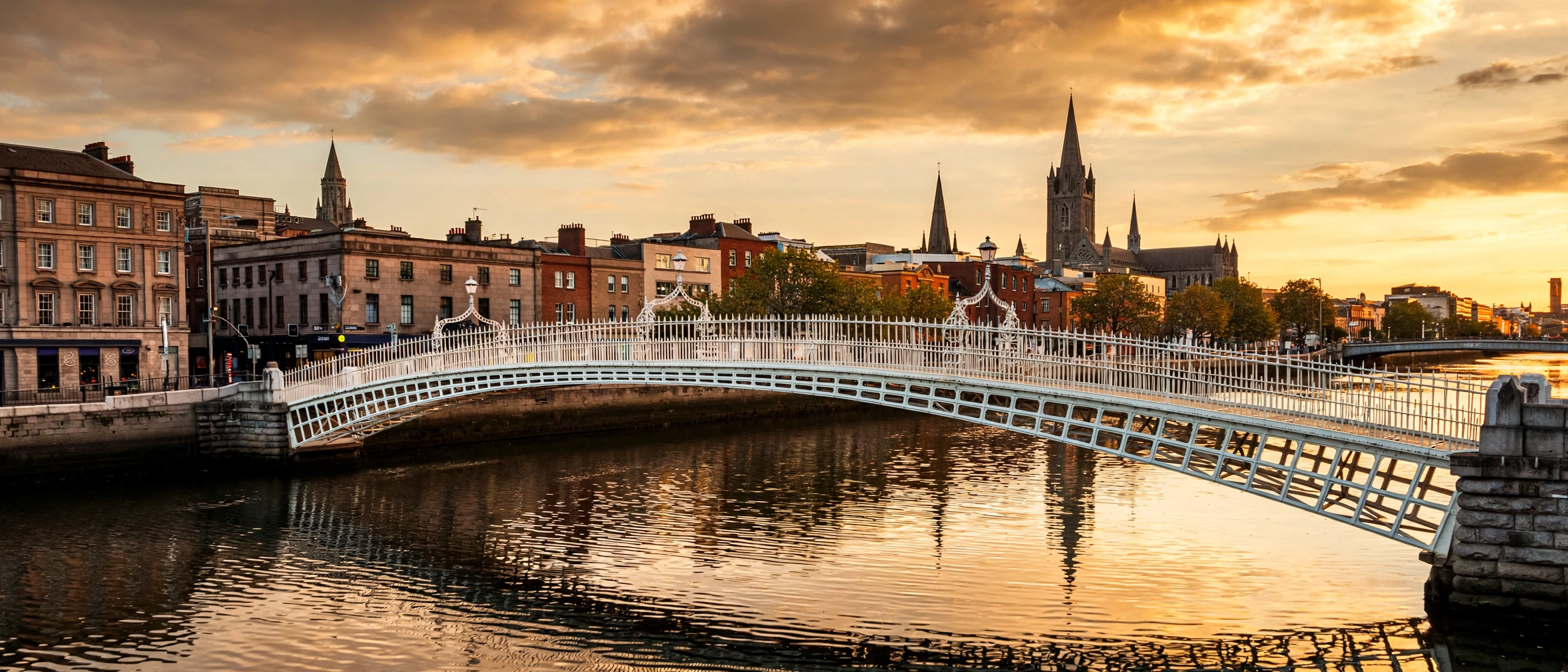
3 Days Dublin – The Perfect 3-Day Dublin Itinerary
If you are planning an unforgettable city break in Europe, Dublin, Ireland, belongs at the very top of your list. This lively destination packs rich history, stunning castles and cathedrals, and the world’s most famous pub culture into a city small enough to explore on foot.
Dublin’s vibe is infectious, especially when you experience the craic (that’s Irish for great fun and atmosphere) in its traditional pubs. Three days is the ideal amount of time to soak in the sights: from must-see highlights like the Book of Kells and EPIC the Irish Emigration Museum to whiskey blending experiences, walking tours, and day trips beyond the city limits.
And don’t worry about your budget. Smart itinerary planning and a few money-saving tips can make your visit even better. Trust me: Dublin never disappoints!
When to Visit Dublin
The best times to visit Dublin are during the shoulder seasons — March, May, September, and October — when the weather is pleasant, crowds are thinner, and accommodation prices are lower than in peak summer. Summer (June to August) brings the warmest weather, but attractions get busier and prices rise.
A highlight in March is St Patrick’s Day (17th March), a fantastic cultural experience — but expect large crowds and higher prices. For a balance of good weather and manageable tourist numbers, late spring (May) and early autumn (September to October) are ideal. Timing your trip for a cheaper season is one of the simplest ways to travel for less, as our guide to choosing the cheapest months to travel explains.
Getting to Dublin
Dublin is easily accessible by air and ferry. Airlines including British Airways, Ryanair, and Aer Lingus operate frequent flights from the UK and Europe. From London, the flight takes just 1 hour 25 minutes, and deals can be found on Skyscanner.
If you prefer a scenic route, ferries run from Holyhead (Wales) to Dublin in 2–3 hours, with operators like Stena Line and Irish Ferries offering comfortable crossings.
How to Get to the City Centre from Dublin Airport
From Dublin Airport, you have several options:
- Aircoach (around €7) – A 24-hour shuttle service stopping at key locations like O’Connell Street.
- Dublin Express (around €8) – Frequent coach services to the city centre, taking roughly 20–30 minutes.
- Taxi (€25–40) – A metered private transfer, best for groups or late arrivals.
If you are on a budget, the coach buses are the most economical choice, while taxis offer the convenience of direct hotel drop-offs.
How to Get Around Dublin
Dublin’s compact city centre makes it perfect for walking, with most major attractions within easy reach. For a more structured sightseeing experience, the hop-on hop-off (HOHO) buses (like Do Dublin or Big Bus Tours) cover key spots, including the Guinness Storehouse.
For a fun alternative, try a bike rental and pedal along the River Liffey. Taxis are widely available but can be pricey — better for short trips if you are tired. If you plan to use public transport, you can tap a contactless bank card on Dublin’s buses for the standard fare, or pick up a Leap Card for slightly cheaper fares across buses, the Luas tram, and the DART coastal train.
Where to Stay in Dublin
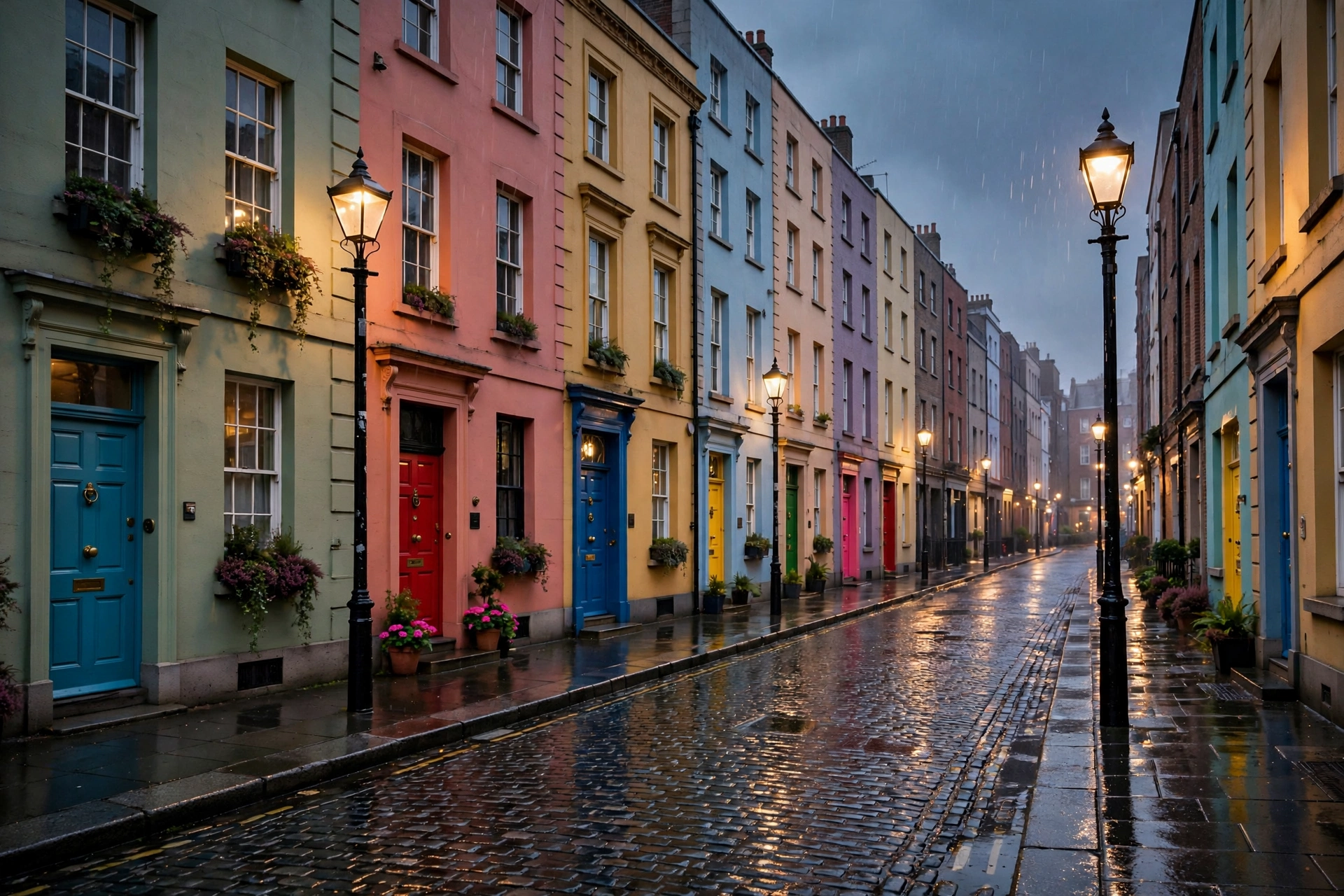
Near Trinity College – A mix of historic charm and modern convenience, within walking distance of the biggest sights.
Temple Bar area – Right in the middle of Dublin’s nightlife and cobbled lanes. Lively, but pricier and noisier at night.
St Stephen’s Green / Grafton Street – Upscale shopping and parks, excellent for a comfortable base close to everything.
If you are traveling with family or friends, an apartment rental offers more space and savings compared to hotels.
3 Days in Dublin Itinerary
This itinerary balances must-see attractions, hidden gems, and even a possible day trip if you have extra time.
Dublin Itinerary – Day 1: Trinity, Castles & Temple Bar
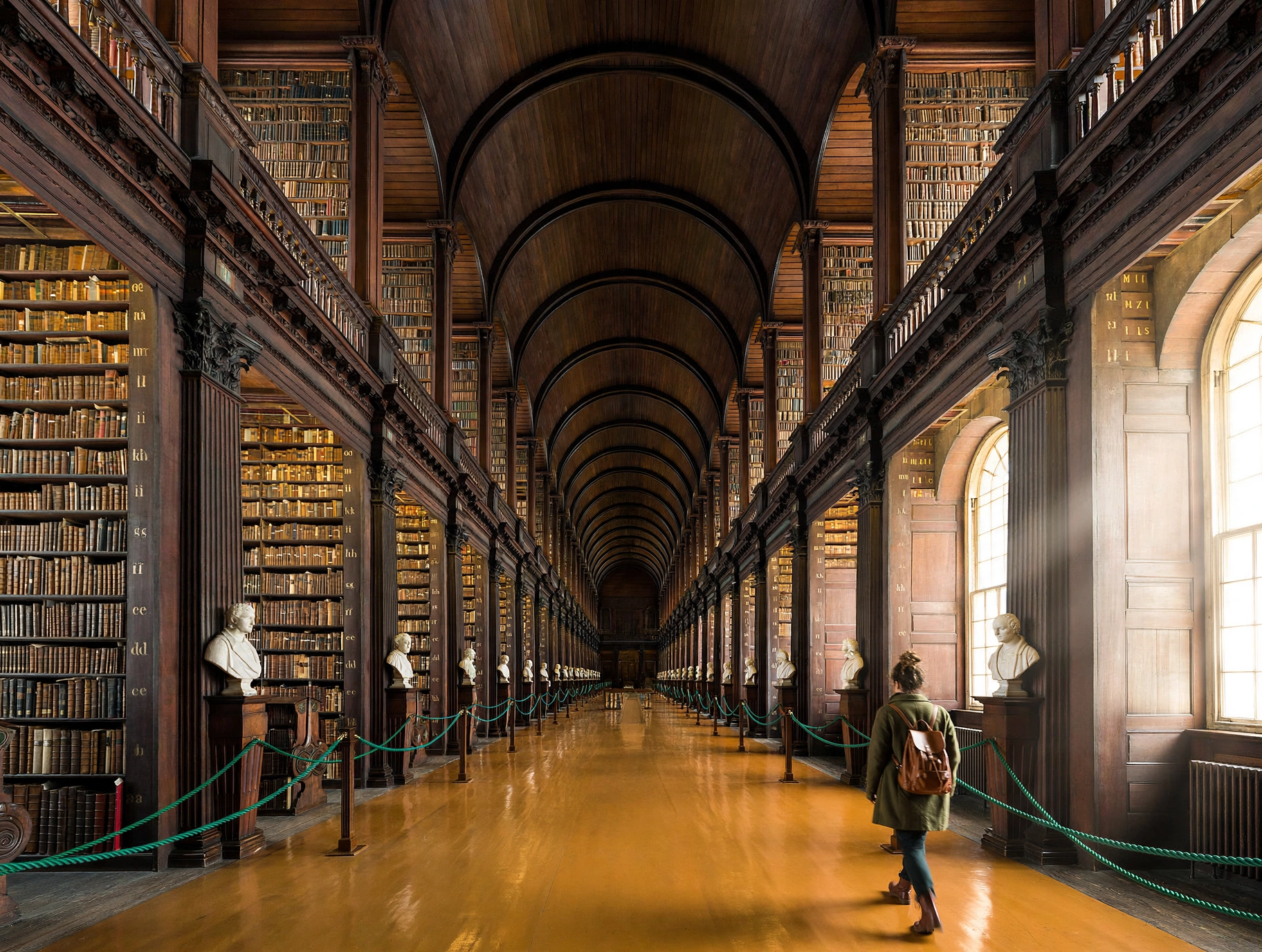
Morning: Start at Trinity College, where the Book of Kells and the breathtaking Long Room library await. Then, head to Dublin Castle for a dose of Irish history. Refuel with coffee and cake at Bewley’s on Grafton Street, an iconic Art Deco café.
Afternoon: Take a unique Afternoon Tea Vintage Bus Trip, enjoying sandwiches, Irish tea, and 1950s jazz as you tour the city. Afterward, stroll through St Stephen’s Green or visit nearby museums like the National Gallery or the Archaeology Museum.
Evening: Learn about Ireland’s famous spirit at the Irish Whiskey Museum, then cross the Ha’Penny Bridge to Temple Bar. Explore its vibrant street art, lively pubs, and buskers before dinner — try modern Irish cuisine at one of the area’s acclaimed restaurants.
Day 2: Medieval Wonders & Whiskey Trails
Start your second day in Dublin Castle, the heart of the Medieval Quarter since 1204. Once the seat of British power until 1922, it now houses government staterooms, the quirky Garda Museum, and the Revenue Museum. Don’t miss the Viking excavations, the stunning Gothic Chapel Royal, or the Dubh Linn gardens — the “black pool” that gave Dublin its name.
- Christ Church Cathedral (built in 1028) hides eerie treasures: a crypt with a mummified cat and rat found in an organ pipe, and medieval floor tiles.
- Next door, Dublinia brings Viking and Medieval history to life.
- St Patrick’s Cathedral (where Jonathan Swift, author of Gulliver’s Travels, is buried) dazzles with stained glass windows.
Afternoon delights:
- Sip award-winning whiskey at Teeling Distillery.
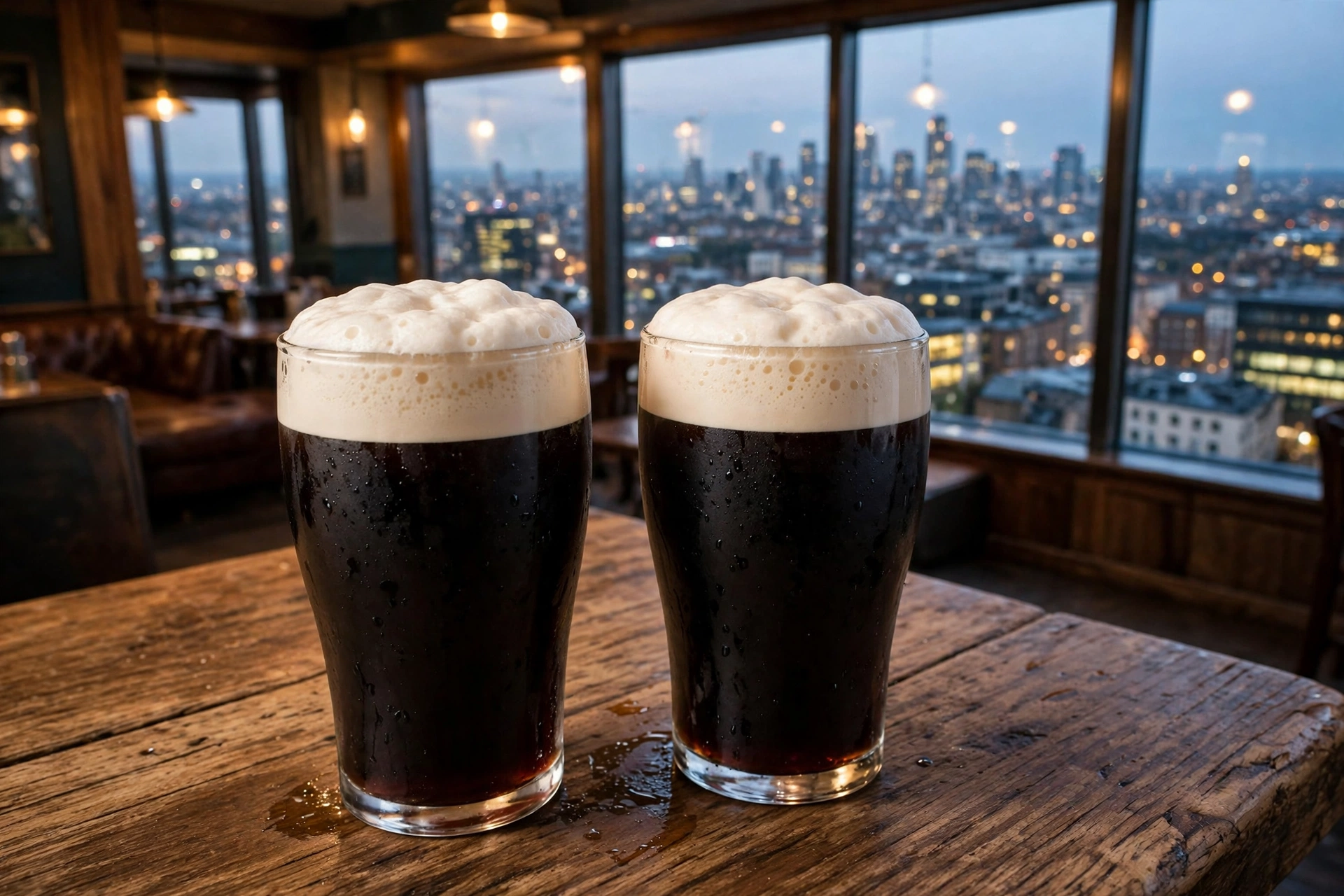
- Tour the seven-storey Guinness Storehouse (brewing since 1759), and enjoy a pint with skyline views at the Gravity Bar.
- End the day in a traditional pub with live Irish music — look for sessions with fiddles and bodhrán drums rather than cover bands for the most authentic experience.
Day 3: Famine Ships & Coastal Adventures
Cross the Liffey to the Jeanie Johnston, a three-masted tall ship replica that carried emigrants during the Great Famine (1845–1852). The 50-minute guided tour reveals harrowing stories of the one million who fled to America, Canada, or Australia. Nearby, EPIC The Irish Emigration Museum traces 10 million journeys since the 1700s via an interactive pathway.
Need a break? Try:
- A 3.5-hour Dublin food tour or a haunted 2-hour evening walk.
- Day trips to the Giant’s Causeway, Cliffs of Moher, or Belfast’s Titanic exhibition.
Pro Tips for Your Trip
- Save money: Use the hop-on hop-off bus (free with the Dublin Go City Pass) for far-flung spots like the Guinness Storehouse. The pass covers 35+ attractions — worth it for busy itineraries!
- Pack smart: Dublin’s weather turns chilly — bring a rain jacket year-round and a warm coat in winter. Layering is everything; see our 2026 family trip cost breakdown for more budgeting ideas that apply to any trip.
- Eat cheap: Grab breakfast from a supermarket or cook in your apartment. Pub lunches are usually the best value hot meal of the day.
- Extend your trip: Pair Dublin with Galway for the ultimate Ireland combo, or ride the DART south to the coastal towns of Dalkey and Dún Laoghaire.
Dublin 3-Day Itinerary FAQs
Is 3 days enough for Dublin?
Yes — three days is the sweet spot. It gives you time for the major sights (Trinity College, Guinness Storehouse, Temple Bar, the cathedrals), a whiskey or food experience, and either a relaxed third day or a day trip to the coast.
What is the best area to stay in Dublin for first-time visitors?
Stay near Trinity College, Grafton Street, or O’Connell Street for first visits — everything is walkable, and public transport connections are excellent. Temple Bar is the most atmospheric but also the noisiest.
Can you see the Book of Kells without booking ahead?
Walk-up tickets are sometimes available, but the Book of Kells experience at Trinity College often sells out, especially in summer and around St Patrick’s Day. Book your time slot online a few days in advance to avoid disappointment.
What should I pack for Dublin?
Layers and a reliable rain jacket — Dublin weather changes fast in every season. Comfortable walking shoes are essential, and a warm coat is a must from November to March.
Is Dublin expensive for tourists?
Dublin is one of Europe’s pricier capitals, but it is very manageable with smart choices: shoulder-season visits, self-catering accommodation, pub lunches, and attraction passes like the Dublin Go City Pass keep costs down.
