
Ever curious about how REI Co-op verifies the durability and functionality of its gear? The short answer is through exhaustive, uncompromising evaluation.
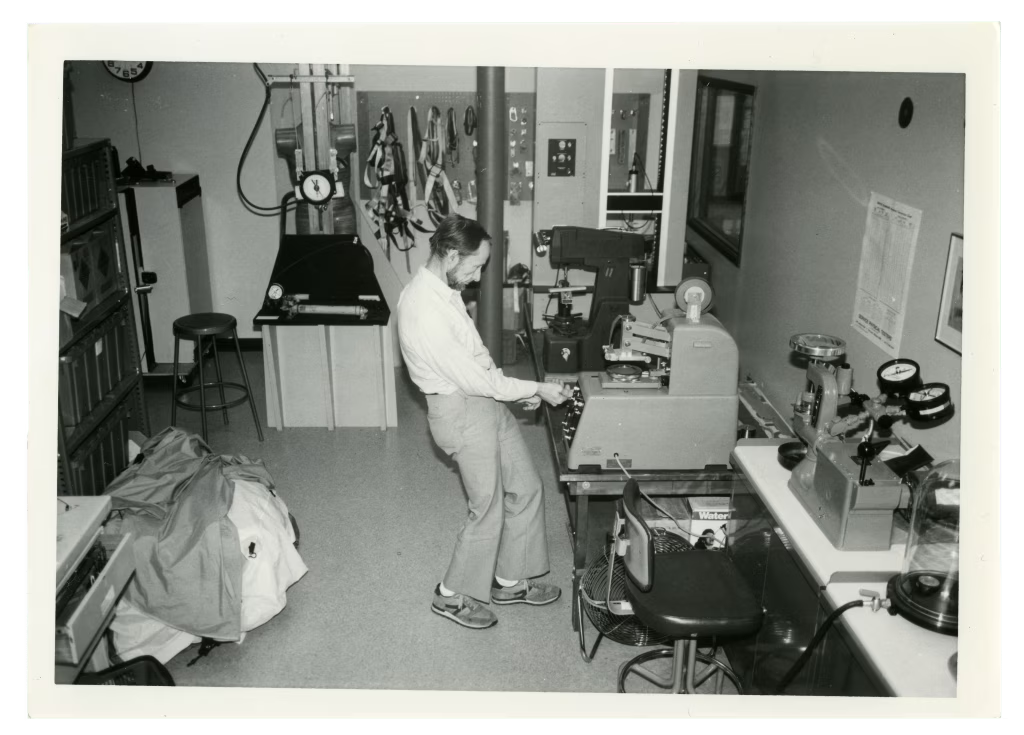
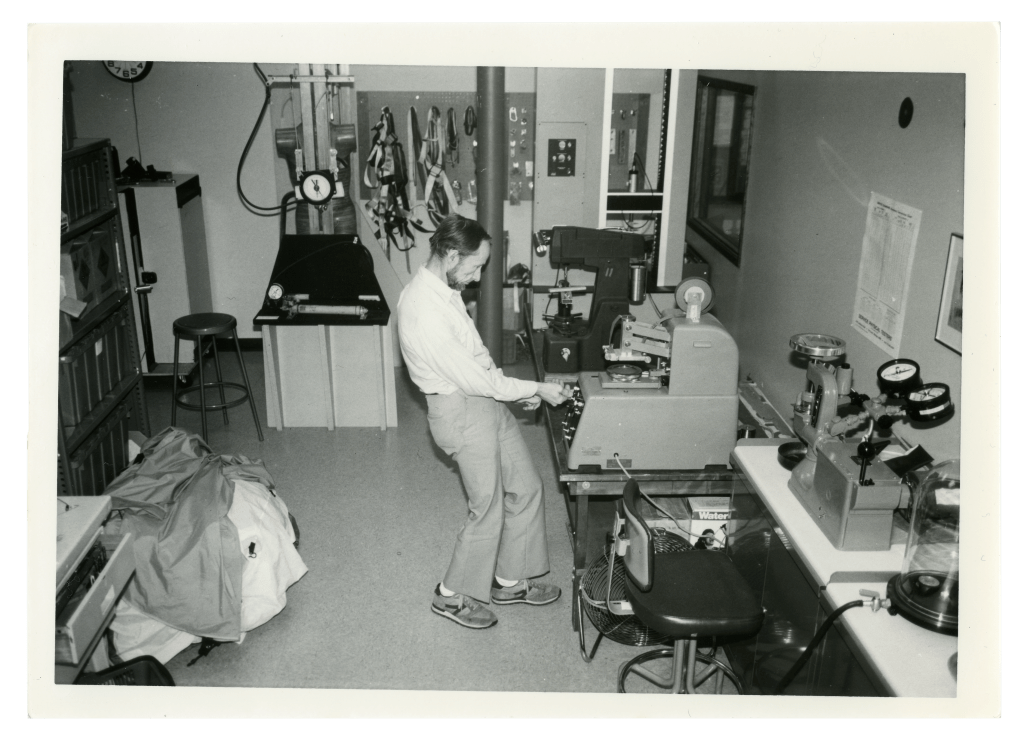
The epicenter of this effort is the internal Magnusson Lab. Launched in 1971, the facility honors Cal Magnusson—a former Boeing engineer who established the co-op’s quality assurance branch. Known internally as the “Mag Lab,” this space puts proprietary apparel and outdoor equipment through demanding trials to mimic the grueling wear and harsh elements encountered in the wild. REI historian Will Dunn notes that Cal and his team pioneered numerous breakthroughs, ranging from initial ice axe handle stress tests in the 1970s to contemporary standards for calculating pack volume.
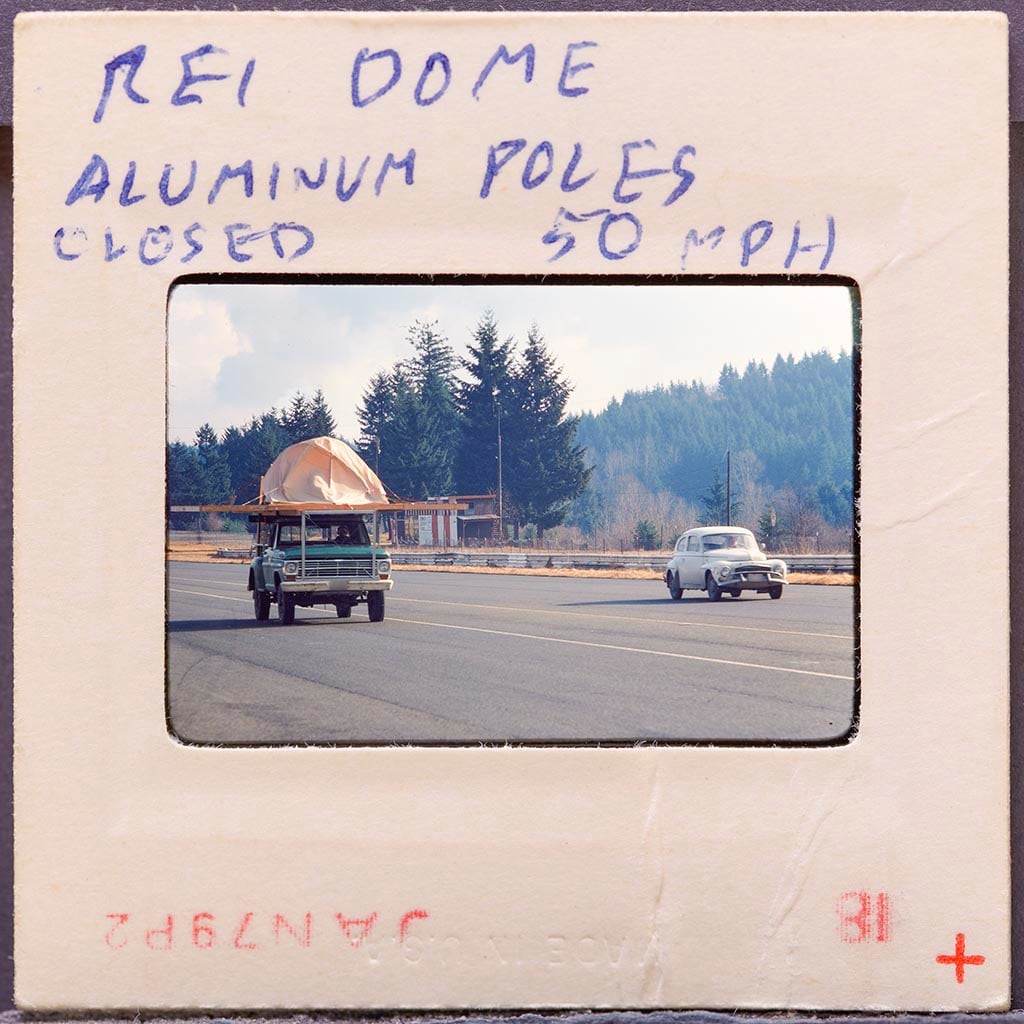
Over the decades, these evaluations relied on ingenious techniques. In the early days, technicians bolted tents onto the back of pickup trucks, zooming down highways to gauge wind stability. To measure warmth ratings in sleeping bags, they constructed a custom fiberglass mannequin. By the 1980s, members could mail in a stamped, self-addressed envelope to receive complimentary detailed reports on insulation performance—an early demonstration of transparent consumer communication. By shifting away from third-party claims and subjective feedback, this methodical strategy established a new benchmark for outdoor equipment assessment.
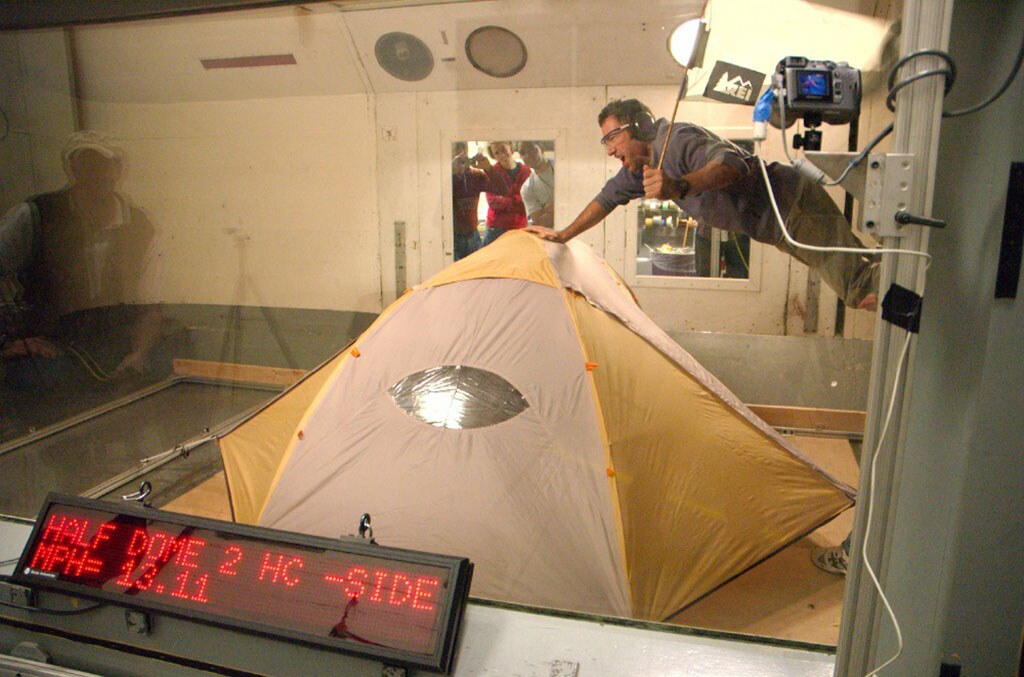
Modern operations in the Mag Lab prioritize precise, reproducible science over highway drives. For instance, tent poles might be subjected to prolonged saltwater exposure over several weeks to check for corrosion resistance and structural integrity. Camp chairs undergo continuous load testing, where weighted bags repeatedly strike the seat to analyze long-term fabric stretch, frame fatigue, and ultimate failure thresholds. For thermal gear like the Magma series sleeping bags and insulated jackets, a specialized thermal dummy named “Mani” evaluates heat retention inside an environmental control chamber.
The lab is far more than a final checkpoint before goods reach store shelves; it functions as an essential creative partner throughout the development lifecycle. “We partner directly with the design team when pioneering novel concepts or fresh designs to prove out their functionality,” explains Diana Wyman, a senior test engineer. She points out that whenever a product promises enhanced warmth, lighter weight, or superior capacity over a previous iteration, the team conducts direct side-by-side benchmarking alongside material and product developers.
During a recent moisture-wicking test for the Swiftland line, technicians suspended fabric strips into water to measure fluid migration over ten minutes. “Our goal is to watch liquid travel as far as it can, simulating how sweat moves across the body,” notes Wyman. The faster the moisture disperses across a wider surface, the faster the garment dries, delivering better evaporative cooling while preventing a clammy feel against the skin.
Developing internal protocols frequently demands inventive problem-solving, though external facilities are brought in for specialized evaluations when required. According to Wyman, the full scope of required testing often reveals itself only after a project gets underway.
Throughout 2025, the facility executed upwards of 250 separate assessments. Wyman emphasizes that every test is repeated multiple times to ensure data accuracy and consistency. Ultimately, this meticulous validation guarantees that outdoor enthusiasts can trust the technical specifications listed on all REI Co-op gear—from weather-resistant outerwear and sleeping mats to camp furniture.