
For generations, conventional images of outdoor adventure revolved around rugged men conquering mountain peaks and wilderness trails—a domain seemingly designed for able-bodied cowboys and solitary heroes. The unwritten message to everyone else, including women, LGBTQ+ individuals, BIPOC communities, and adaptive athletes, was clear: this space wasn’t meant for you. Systemic lack of representation, paired with concerns over harassment and safety, made outdoor recreation feel intimidating and exclusive to many.
Today, a growing grassroots movement is shifting that narrative, ensuring the outdoors belongs to everyone. Across the country, queer-led organizations are guiding youth and adults into the backcountry, onto ice walls, down forest trails, and into transformative summer camps. Here are three nonprofit partners supported by the community-backed REI Cooperative Action Fund that share a core belief: equal access, strong community, and outdoor joy aren’t optional extras—they are the main event.

In just a few quick minutes, you can write your representatives and make a real impact through the REI Cooperative Action Network.

Jump Ahead
- Inclusive Outdoors Project breaks down entry barriers to historically exclusive mountain sports like ice climbing and trail running.
- The Venture Out Project has been helping LGBTQ+ individuals find connection and joy in nature since 2014, now boasting 31 active chapters across the nation.
- Brave Trails builds youth leadership skills and community through multi-day summer camps in California, Georgia, and New York.
Inclusive Outdoors Project
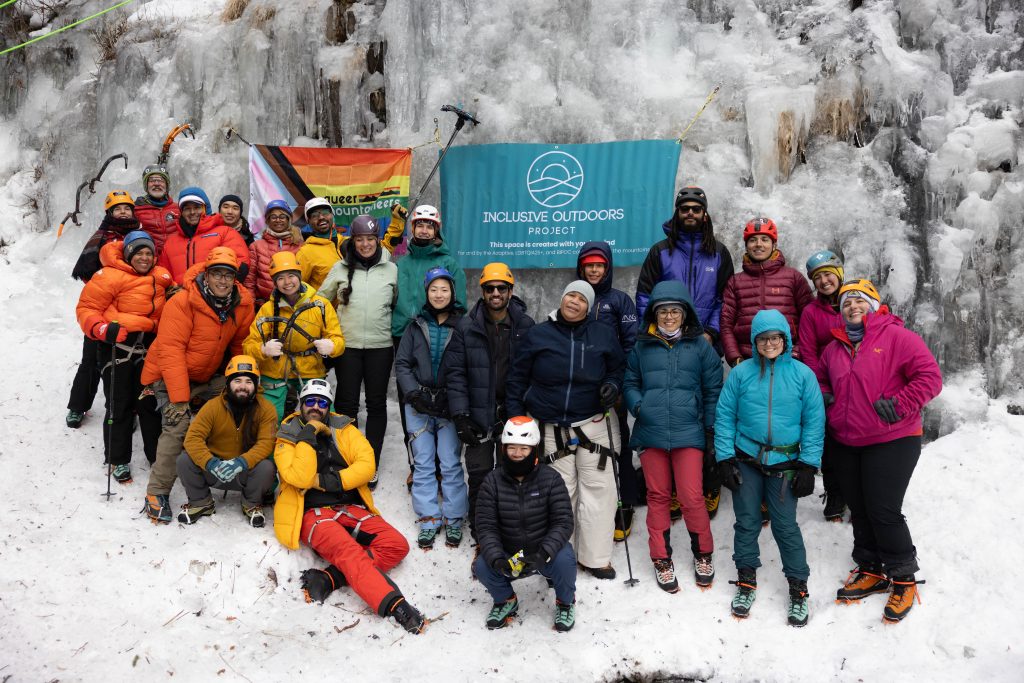
When COVID-19 struck in 2020, Vasu Sojitra—a Bozeman-based disability access advocate and professional athlete with The North Face—noticed how heavily the crisis fell on marginalized populations. Vital support networks vanished overnight, and outdoor spaces became even more difficult to access. Wanting to help, Sojitra reached out to local partners like Montana Alpine Guides, Beartooth Powder Guides, and The Rut to spark a joint effort.
“During the pandemic, marginalized communities were bearing the worst of the impact,” Sojitra explains. “We brought several groups together to host an ice climbing clinic. It gave us a safe way to stay socially distant while still gathering people outdoors.”
That single climbing session took off, sparking the creation of the Inclusive Outdoors Project. The organization focuses on removing barriers to high-threshold mountain activities like alpine climbing and technical mountaineering. Sojitra describes the initiative simply: “It’s a space built specifically for—and by—the Adaptive, Queer, and BIPOC communities in the mountains.”
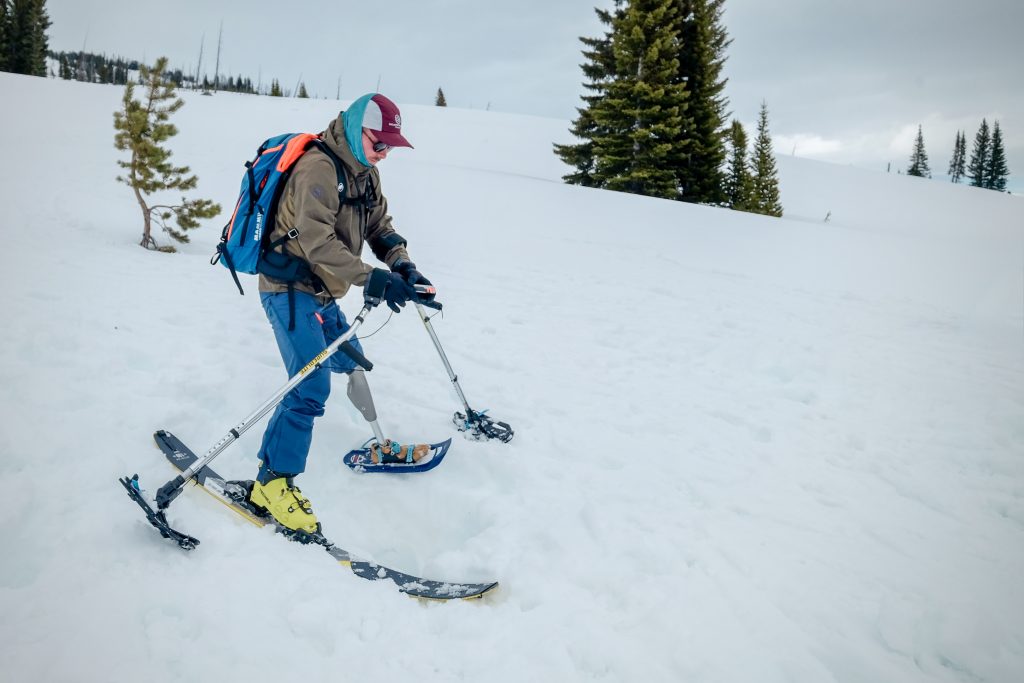
Today, the organization manages four core initiatives: inclusive ice-climbing sessions, trail running events, an adaptive avalanche safety course (considered the first in the U.S. tailored for disabled athletes), and casual community gatherings like craft nights and plant identification walks hosted by its local chapter, the Mellow Mountaineers.
Rather than building infrastructure from scratch, the project partners with established technical outfits like Beartooth Powder Guides. “We avoid reinventing the wheel,” says Sojitra. His team brings a loyal participant base that trusts them to foster safe, welcoming environments, while partner groups handle the technical logistics. Notably, events are not segregated by specific identities; Queer, BIPOC, and adaptive participants share these experiences together.
“Our programs naturally break down silos,” Sojitra says. “Participants learn about each other’s experiences with disability, race, gender, and sexuality organically. It connects people without forcing a lesson.”
The Venture Out Project
| Location | Years Active | Impact | Website |
|---|---|---|---|
| Massachusetts (HQ), 31 chapters nationwide | 12 | 1,000+ participants at 100+ events in 2025 | ventureoutproject.com |
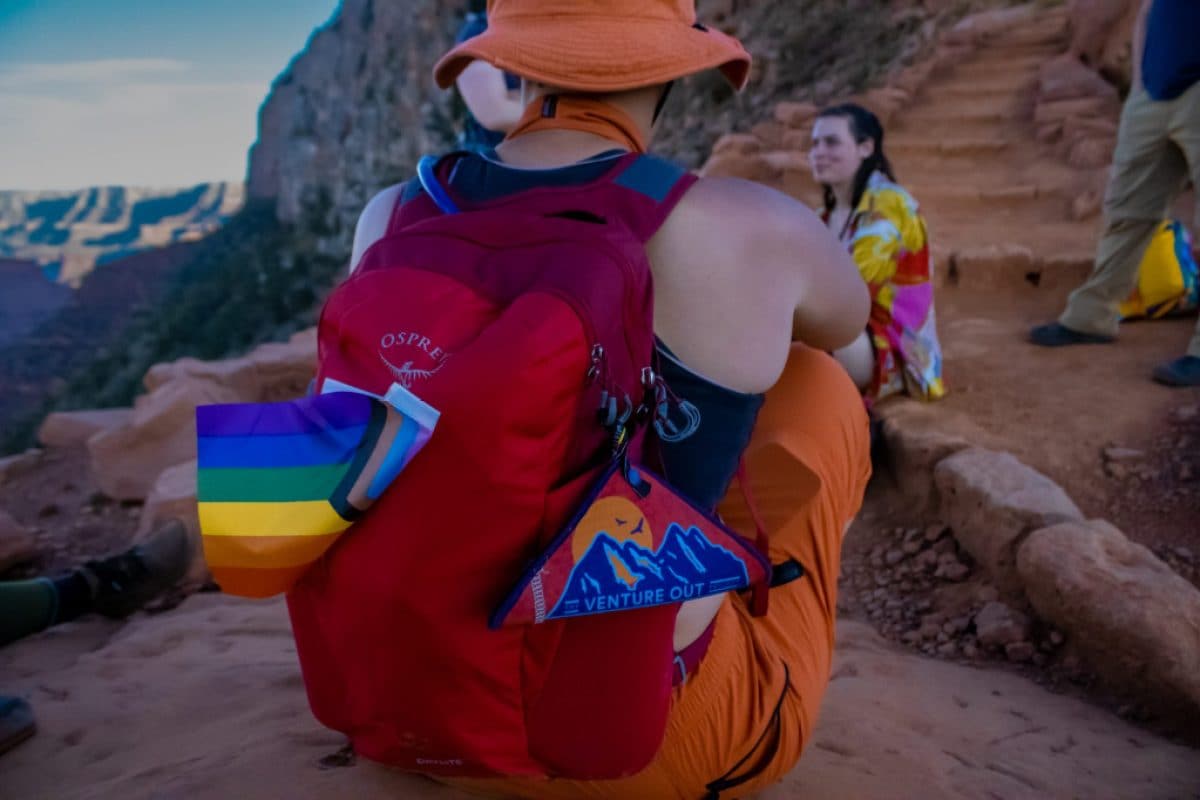
The Venture Out Project (TVOP) was born from a simple yet powerful realization: deep in the wilderness, there are no gendered bathrooms or reflective surfaces. For transgender individuals navigating a world dominated by social expectations and gendered facilities, stepping into nature offers a rare, comforting respite.
“Being in nature helped our founder, Perry Cohen, feel proud of what his body could accomplish during his own transition,” says Jacob Sheppard-Saidel, administrative manager at TVOP. “He launched this project so others could feel that same sense of self-gratitude, even if just for a weekend.”
Twelve years later, TVOP has grown into one of the country’s largest queer outdoor organizations, expanding to 31 chapters nationwide. Their mission prioritizes personal connection over athletic benchmarks or mileage. Offerings range from multi-day backcountry treks to forest bathing, birdwatching, sauna socials, and wilderness medicine certifications. Financial accessibility is key, with most events operating on a pay-what-you-can scale alongside beginner-friendly pacing.
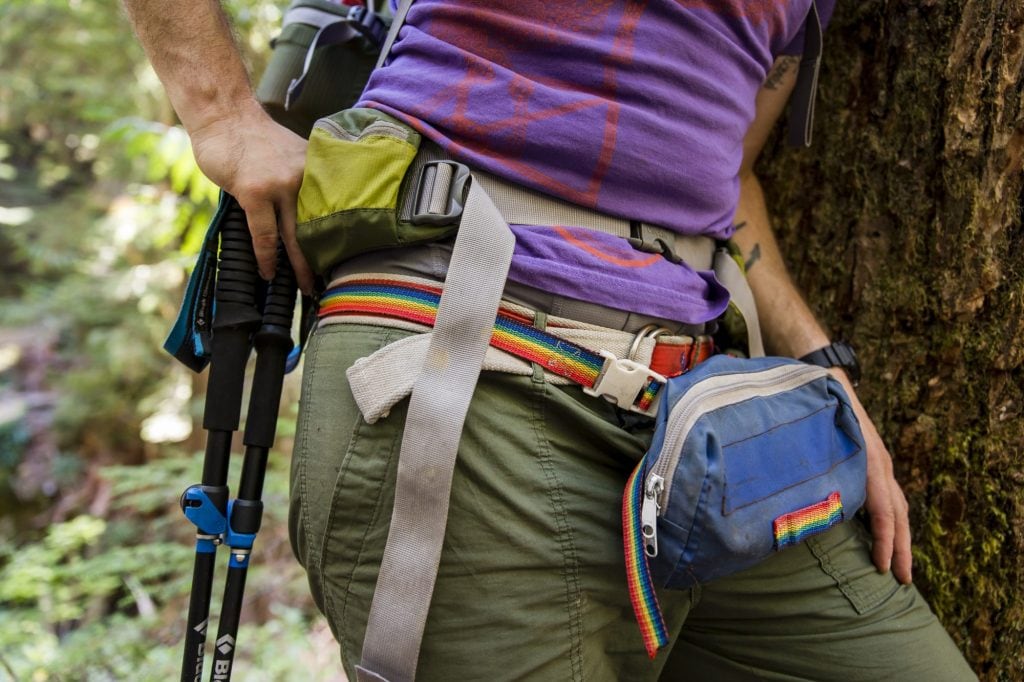
Participant statistics reflect a diverse community: in 2025, 99% of attendees identified as LGBTQ+. Half identified as transgender, over a third as nonbinary, 25% as people of color, and 25% as individuals living with disabilities. “Many LGBTQ+ groups cater primarily to affluent, cisgender gay men,” Sheppard-Saidel explains. “Our spaces intentionally center folks who don’t fit into mainstream queer groups.”
Sheppard-Saidel shares a story Cohen often tells about a day hike a few years back. At the trail’s end, a participant mentioned it was the very first time they had met another trans person in real life. They had taken five unpaid days off work and driven two full days just to be there.
That moment inspired TVOP’s ambitious target: establishing a regional chapter within a four-hour drive of every major U.S. city.
Brave Trails
| Location | Years Active | Impact | Website |
|---|---|---|---|
| Los Angeles, CA (HQ), with events in CA, NY, GA | 11 | $200,000 in scholarships awarded annually; campers from all 50 states and 19 countries | bravetrails.org |
In 2014, Jessica Weissbuch hosted a backyard spaghetti dinner to raise money for a dream: creating the kind of leadership summer camp she wished she had as a queer teenager. Her goal was modest—if 15 kids signed up, she’d consider it a win.
Forty-three youth registered for that first session.
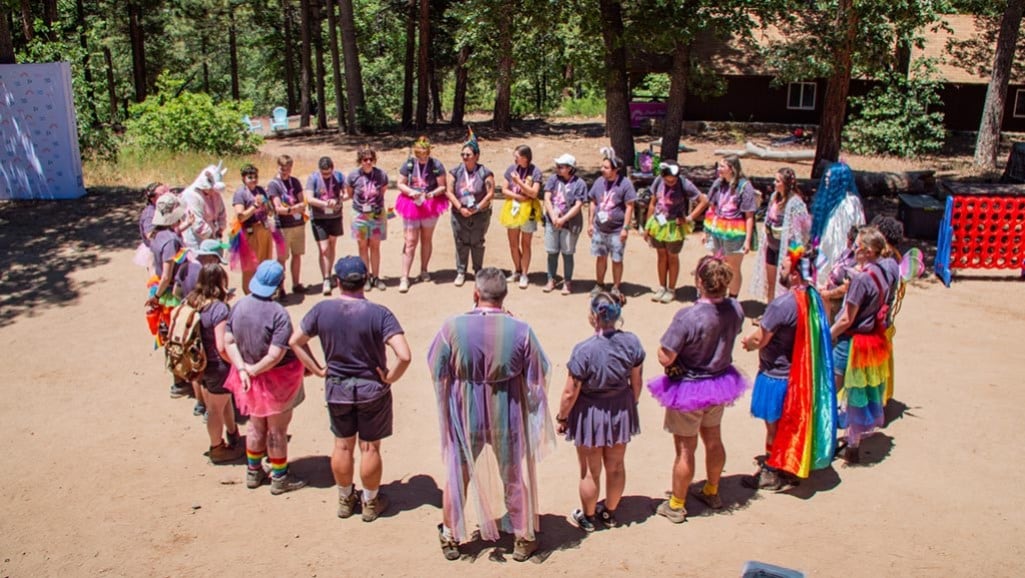
Now entering its 11th year, Brave Trails operates summer leadership camps across the country, welcoming campers from all 50 states and 19 international locations. Alongside traditional camp activities, the program features a unique centerpiece that Weissbuch likens to a “queer science fair.” Campers form interest groups, research chosen topics over nine days, and present their projects to the entire camp.
The curriculum also equips youth with vital practical tools, covering legal rights, queer history, school advocacy, and mental wellness strategies. “Young people hear a lot of negative messages about themselves today,” Weissbuch says. “It is critical to offer a safe haven where kids can relax and simply be themselves.”
Brave Trails connects youth from every walk of life—from openly queer teens living in major metro areas to closeted kids from conservative rural towns. Ongoing research conducted with the University of Washington shows that participants consistently experience meaningful boosts in self-esteem alongside reductions in depressive symptoms.
Perhaps the most compelling proof of the program’s success: ten former campers are returning as staff members this summer—including one who credits Brave Trails with saving their life.
“Hearing stories like that,” says Weissbuch, “is why we do what we do.”
Learn more: The REI Cooperative Action Fund
All three featured organizations receive grant funding through the REI Co-op’s Cooperative Action Fund. To discover more—including how to contribute, connect with regional partners, or recommend a nonprofit—visit REIfund.org.