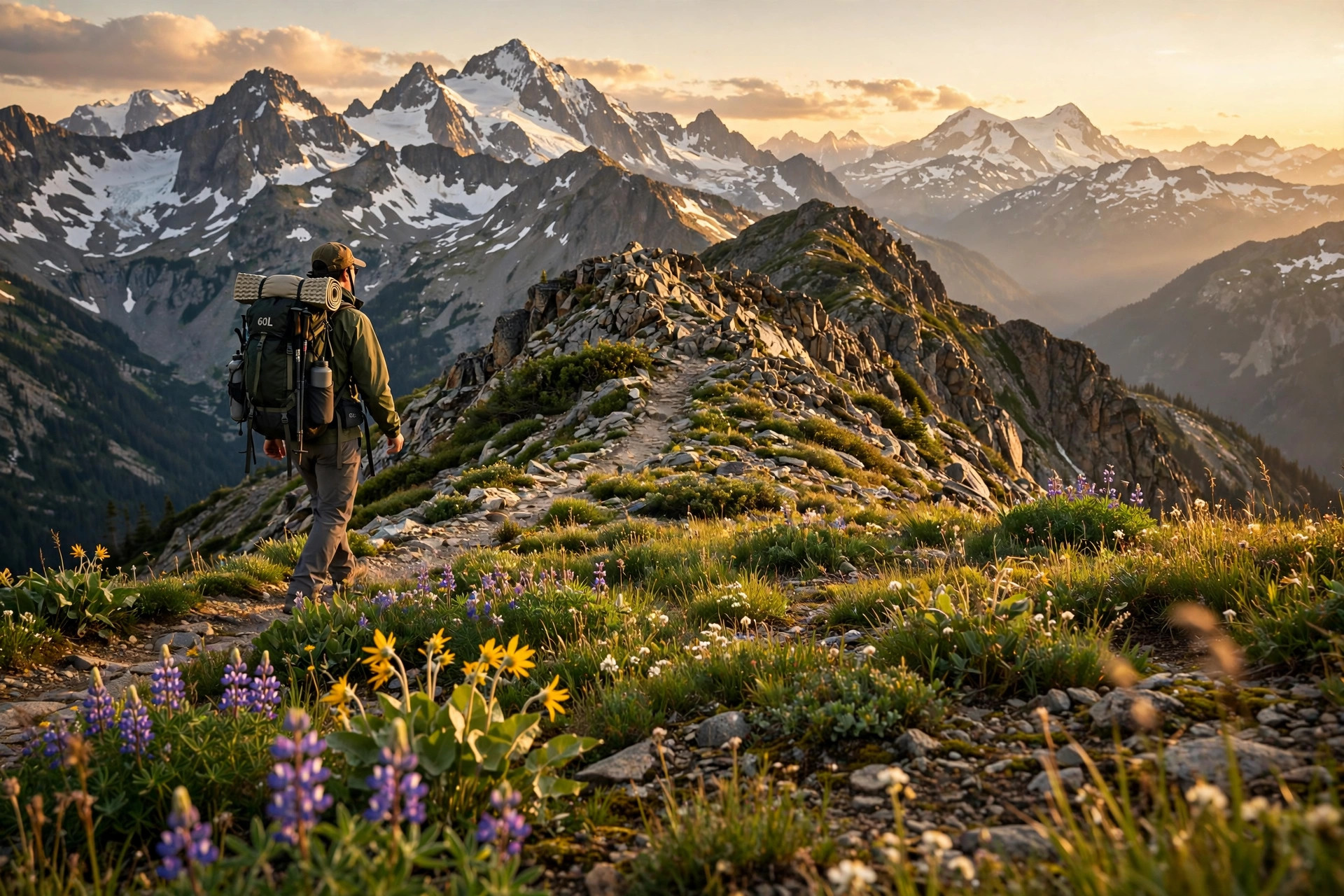
Planning to thru-hike the Continental Divide Trail? Your gear list is the single biggest factor in how your hike goes. At 3,100+ miles from the Mexican border to Canada, the CDT is the longest, wildest, and least forgiving of America’s Triple Crown trails — and what you carry has to handle everything from New Mexico desert sun to Montana grizzly country and September snow in Colorado.
My philosophy has evolved over three thru-hikes: I used to chase ultralight base weights relentlessly, but the CDT taught me something the spreadsheets never could — carrying smart beats carrying less. A well-thought-out gear list balances weight, comfort, and durability, and a few intentional “luxury” items can keep you on trail when pure ultralight misery would have sent you home.
Rethinking Gear for the Continental Divide Trail
On my Colorado Trail thru-hike I kept my base weight under 10 pounds; on the John Muir Trail I allowed myself around 11.3. For the CDT, I’m deliberately heavier — and happier for it. Over months on trail, small comforts compound: better sleep, warmer evenings, fewer injuries, better morale. That doesn’t mean carrying everything — it means weighing the joy each item brings against the miles it costs.
Every item below earned its place through field testing. I’ll give you the full list, the reasoning behind each choice, and the total weight breakdown so you can copy it, cut from it, or argue with it in the comments.
Shelter & Sleep System
Your shelter and sleep setup is where weight savings matter most — and where skimping costs you the most sleep. After years of testing, here’s my current CDT combo:
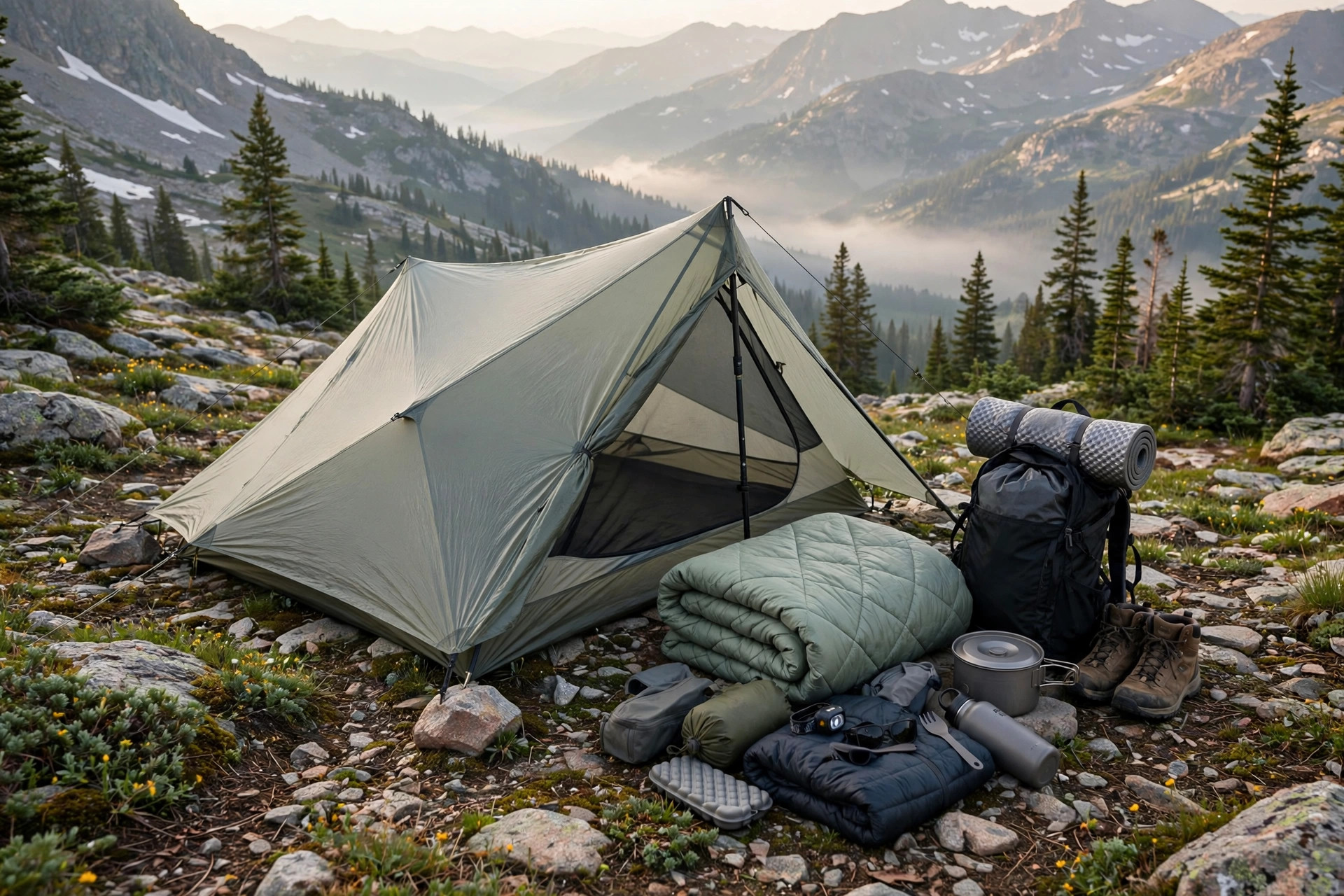
- Tent: Durston Gear X-Mid Pro 1 (17.1 oz) — trekking-pole design, huge space-to-weight ratio, handles wind beautifully
- Sleeping pad: NEMO Tensor Regular/Wide (17.55 oz) — worth every ounce for shoulder and hip comfort on long stretches
- Quilt: 10-degree down quilt (22.1 oz) — cold-rated for the CDT’s unpredictable nights at altitude
- Ground cloth: Tyvek (4.9 oz) — cheap, light, protects your shelter floor
- Trekking poles: Cascade Mountain Tech, foam grips (11.15 oz) — double as tent supports
- Pad pump: FLEXTAIL Zero Pump (2.1 oz) — saves your lungs at 11,000 feet
Clothes & Worn Weight
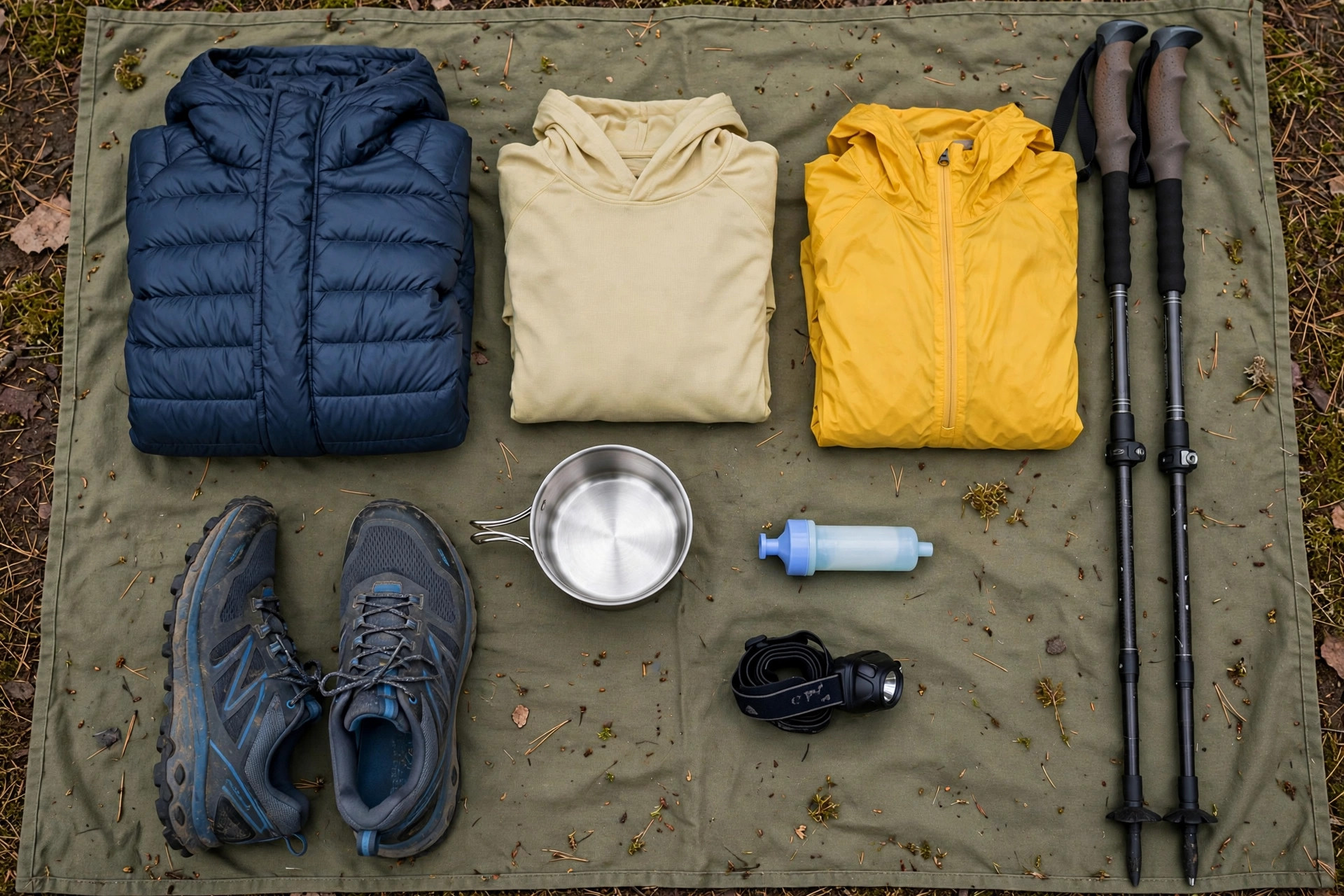
Worn weight doesn’t count toward base weight, but your clothing system still has to perform across deserts, alpine basins, and rain-soaked forests:
- Sun hoodie: UPF sun hoodie (5.6 oz) — non-negotiable in the New Mexico and Wyoming sun
- Rain jacket: Marmot PreCip Eco (9.3 oz) — affordable, reliable storm protection
- Shoes: HOKA trail runners (20.8 oz for the pair) — trail runners beat boots on a 3,100-mile hike; plan to replace them every 500–700 miles in trail towns
- Microgrid fleece hoodie: (8.95 oz) — the most versatile mid-layer on trail
- Camp shoes: lightweight sandals (8.3 oz) — your feet will thank you at the end of every 20-mile day
First Aid & Essentials
On a trail this remote, self-sufficiency isn’t optional. My kit stays lean but complete:
- Blisters: Leukotape, safety pin, lighter — blister care is injury prevention
- Trauma & injury: antiseptic wipes, ACE bandage, gauze
- Gear repair: Dyneema repair patches, needle, thread — a tent tear at 12,000 feet is a real emergency
Cook System & Water Filtration
Hot food matters more on the CDT than on any trail I’ve hiked — cold nights and high-mileage days demand real calories:
- Stove: Jetboil Stash (7.95 oz) — boils fast, sips fuel, the efficiency pays for its weight on long carries
- Food storage: BearVault 450 (33.15 oz) — required or strongly recommended in grizzly country through Wyoming, Idaho, and Montana
- Water filtration: Sawyer Squeeze (2.55 oz) — the thru-hiker standard; pair it with a backup chemical option for silty desert water
- Cold soak jar: repurposed gelato container (1.9 oz) — for no-cook meals on long water carries
Water strategy deserves its own respect on the CDT: the southern New Mexico stretch has long, unreliable carries. Always know your next source before you leave camp — the FarOut app with CDT maps is the community standard for real-time water reports.
Electronics & Extras
- Satellite communicator: Garmin inReach Mini (4 oz) — the CDT is the loneliest Triple Crown trail; check-ins and SOS capability are worth it
- Headlamp: rechargeable Nitecore (1.95 oz)
- Power bank: Nitecore 10,000mAh (5.29 oz) — sized for the longest stretches between town resupplies
Small Luxuries That Make a Big Difference
Here’s where I diverge from the ultralight crowd — and where my hike gets fun:
- Deck of cards (3.3 oz) — the social currency of every trail town hostel and zero day
- A small comfort item — mine is a tiny stuffed marmot that rode 3,000 miles on my pack; morale weighs nothing
- Ziploc wallet (1 oz) — waterproof and simple for ID, cards, and permits
- Puffy jacket — the Mountain Hardware-style down hoody that saves cold evenings at 11,000 feet
Location-Specific Gear: What the CDT Demands
The CDT isn’t one trail — it’s five different trails stitched together. These items go in and out of my bounce box or get added in specific states:
Southern Colorado (snow season): ice axe (7.1 oz) and Kahtoola Microspikes (11.9 oz) for snowfield traverses. Check conditions before the San Juans — snow year matters enormously.
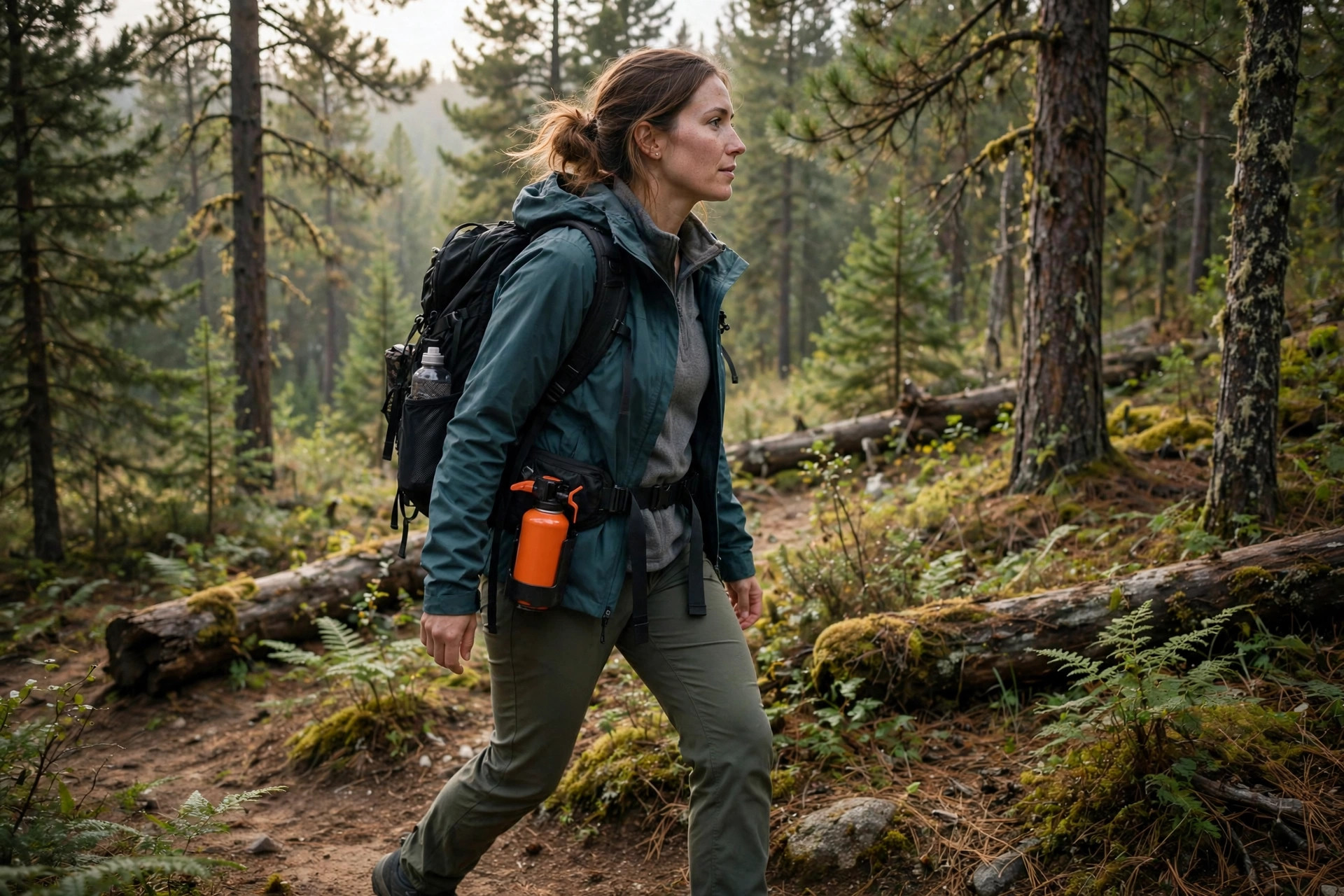
Wyoming, Idaho & Montana (grizzly country): Counter Assault bear spray (11 oz), carried on your hip belt, not buried in your pack. Study after study shows bear spray is more effective than firearms for stopping a charge — and you can practice your draw at camp. For more on backcountry safety planning, see my hiking safety plan guide.
Before your hike, spend time on the Continental Divide Trail Coalition site — it’s the authoritative source for closures, reroutes, and trail condition updates each season.
Total Base Weight: Balancing Comfort and Practicality
My full CDT base weight comes to 281 oz (17.6 lbs), with a total pack weight around 370 oz (23 lbs) including food and water for a typical carry. That’s a far cry from my 9.2-lb Colorado Trail setup — and I’m at peace with it. Every ounce over my ultralight days buys me sleep, warmth, safety, or joy, and those returns compound over 5–6 months on trail.
Frequently Asked Questions
How much does a full CDT gear setup cost?
Expect to spend roughly $1,500–$3,000 on gear if starting from scratch, with shelter, sleep system, and pack taking the biggest share. Buying used and upgrading gradually is the smart move.
What base weight should I aim for on the CDT?
A base weight between 10 and 20 pounds is reasonable. Under 10 is ultralight territory (comfortable but less forgiving); 15–20 is a common sweet spot that balances comfort with sustainable mileage.
Do I need bear spray on the CDT?
Strongly yes for Wyoming, Idaho, and Montana — this is grizzly country. Bear spray is widely considered the most effective deterrent and is lighter and simpler than alternatives.
Can I use the same gear for the PCT or AT?
Mostly yes — the big three (shelter, sleep, pack) transfer well. The CDT demands more robust water-carry capacity and grizzly-country precautions, while the AT is rainier and the PCT is drier and more crowded.
The Bottom Line
The Continental Divide Trail will test your gear, your body, and your resolve like nothing else. Build your list with intention, test everything on shakedown hikes first, and don’t let anyone minimize your hike because of your pack weight. Confidence in your kit matters more than any ultralight label — the trail is yours alone.
Thinking of hiking somewhere a little more accessible first? Check out the best easy hikes near national parks and our 5-day Yellowstone family itinerary — and wherever you roam, brush up on the 7 Leave No Trace principles before you go.

1 comment
Bomwinbet? Sounds explosive! Hopefully in a good way… like explosive wins! Let’s see if they deliver the boom. I’m ready to win big! Check it out here: bomwinbet